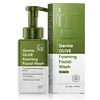
This foaming makeup remover is made to dissolve makeup, sunscreen, and daily buildup.
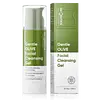
This mild gel cleanser is mild enough to cleanse without leaving skin feeling tight or stripped.

What's inside
What's inside
 Benefits
Concerns
No concerns
Ingredients Side-by-side
Water
Skin ConditioningSodium Olivoyl Glutamate
CleansingSodium Olivate
CleansingOlivamidopropyl Betaine
CleansingMaltooligosyl Glucoside
Skin ConditioningHydrogenated Starch Hydrolysate
HumectantSaccharide Hydrolysate
HumectantInulin
Skin Conditioning
Trehalose
Humectant

Betaine
Humectant
Glycerin
Humectant
Disodium Cocoyl Glutamate
Cleansing
Sodium PCA
Humectant
Sodium Taurine Cocoyl Methyltaurate
Cleansing
Methylpropanediol
SolventCocoyl Methyl Glucamide
Skin Conditioning
Lactic Acid
Buffering








Sodium Cocoyl Apple Amino Acids
Skin Conditioning
Phenoxyethanol 0.7%
Preservative
Ethylhexylglycerin
Skin ConditioningTetrasodium EDTA
Water, Sodium Olivoyl Glutamate, Sodium Olivate, Olivamidopropyl Betaine, Maltooligosyl Glucoside, Hydrogenated Starch Hydrolysate, Saccharide Hydrolysate, Inulin, Trehalose, Betaine, Glycerin, Disodium Cocoyl Glutamate, Sodium PCA, Sodium Taurine Cocoyl Methyltaurate, Methylpropanediol, Cocoyl Methyl Glucamide, Lactic Acid, Sodium Cocoyl Apple Amino Acids, Phenoxyethanol 0.7%, Ethylhexylglycerin, Tetrasodium EDTA
Water
Skin ConditioningGlycerin
Humectant
Sodium Olivamphoacetate
CleansingSodium Olivoyl Glutamate
CleansingOlivamidopropyl Betaine
CleansingMaltooligosyl Glucoside
Skin ConditioningHydrogenated Starch Hydrolysate
HumectantBetaine
Humectant
Trehalose
Humectant
Glycereth-26
Humectant
Inulin
Skin Conditioning
Potassium Cocoyl Glycinate
Surfactant
Sodium Methyl Cocoyl Taurate
Cleansing
Potassium Cocoyl Hydrolyzed Oat Protein
Skin Conditioning
Cocoyl Methyl Glucamide
Skin Conditioning
Sodium PCA
Humectant
Lauric Acid
Cleansing


Myristic Acid
Cleansing
Oleic Acid
Emollient
Creatine
Skin ConditioningHydroxypropyl Guar
Emulsion StabilisingMethylpropanediol
SolventPhenoxyethanol
Preservative
Ethylhexylglycerin
Skin ConditioningTetrasodium EDTA
Water, Glycerin, Sodium Olivamphoacetate, Sodium Olivoyl Glutamate, Olivamidopropyl Betaine, Maltooligosyl Glucoside, Hydrogenated Starch Hydrolysate, Betaine, Trehalose, Glycereth-26, Inulin, Potassium Cocoyl Glycinate, Sodium Methyl Cocoyl Taurate, Potassium Cocoyl Hydrolyzed Oat Protein, Cocoyl Methyl Glucamide, Sodium PCA, Lauric Acid, Myristic Acid, Oleic Acid, Creatine, Hydroxypropyl Guar, Methylpropanediol, Phenoxyethanol, Ethylhexylglycerin, Tetrasodium EDTA
Ingredients Explained
These ingredients are found in both products.
Ingredients higher up in an ingredient list are typically present in a larger amount.
Betaine is a humectant. Like hyaluronic acid, it helps attract and retain moisture in the skin. It’s known for being gentle and for helping the skin maintain balanced hydration.
Betaine is mainly used to improve hydration and support calmer skin. It helps skin cells regulate water balance because it functions as an osmolyte.
Some studies suggest betaine may support making skin tone more even.
Fun fact: Betaine naturally exists in the skin and the body. In cosmetic products, it can be either plant-derived (most commonly from sugar beets) or synthetically produced for consistency and stability.
Betaine is also known as trimethylglycine.
Learn more about BetaineWe don't have a description for Cocoyl Methyl Glucamide yet.
Ethylhexylglycerin is created from glycerin. It is a multitasker ingredient that:
The CIR Expert Panel found minimal skin absorption or sensitization of any kind in a safety assessment. Though this ingredient is considered well-tolerated, a small number of cases of allergic dermatitis have been published since 2002. Just be sure to patch test if you are unsure.
Industry-reported use ranges from 8% in rinse-off products and 2% in leave-on formulations.
Learn more about EthylhexylglycerinGlycerin (or glycerol) is a compound naturally found in your skin. It's a powerhouse humectant that pulls water into the stratum corneum.
Topically, glycerin does several things at once:
Your skin makes glycerin on its own (mostly from sebaceous oil breakdown) and shuttles it to your outermost layer of skin, or your epidermis, via aquaporin-3.
Aquaporin-3 is a transporter that is essential for normal skin hydration, elasticity, and repair. Interestingly, mice lacking in AQP3 have dry and less elastic skin that can be fully corrected with glycerin.
This ingredient is non-irritating, plays well with almost every ingredient, and works across all skin types. Typical use is anywhere between 3-10% but can go up to 79% in some leave-on products.
Just know very high concentrations (>40%) can feel tacky in low humidity.
Glycerin is the name for this ingredient in American English. British English uses Glycerol/Glycerine.
Learn more about GlycerinHydrogenated Starch Hydrolysate is a made up of a mixture of sugar alcohols (like sorbitol) and is created by hydrogenating corn, wheat, or potato starch.
It acts as a humectant and draws water to the skin to keep it hydrated. Generally, this is a well-tolerated and non-irritating ingredient.
Inulin is a polysaccharide (carbohydrate) with prebiotic and antioxidant properties.
The majority of inulin is extracted from chicory, but can also be obtained from other plants such as garlic, onion, asparagus, and sugarcane.
Studies show inulin may help with controlling your skin's natural microbiota when applied topically.
The antioxidant potential of inulin varies depending on the source.
Learn more about InulinWe don't have a description for Maltooligosyl Glucoside yet.
Methylpropanediol is a synthetic solvent and humectant.
As a solvent, it helps dissolve other ingredients, helping to evenly distribute ingredients throughout the product. This ingredient has also been shown to have antimicrobial properties which makes it a preservative booster.
Methylpropanediol is able to add a bit of moisture to the skin. It also helps other ingredients be better absorbed into the skin, such as salicylic acid.
Learn more about MethylpropanediolWe don't have a description for Olivamidopropyl Betaine yet.
Phenoxyethanol is one of the most widely used preservatives in skincare (and for good reason!).
It has a large spectrum of antimicrobial activity and especially effective bacteria, yeast, and mold while only having a weak effect on your skin's natural microbiome.
On a cellular level, it disrupts the cell membranes of microbes by poking holes that make the cell leak. This shuts down the chemical reactions the microbe needs to make energy so it can no longer survive.
Another perk of this ingredient is that it stays functional across a wide pH range (3-10).
You'll often see it paired with boosters like Ethylhexylglycerin; one study showed that a 1:9 ratio of Ethylhexylglycerin to Phenoxyethanol damages bacterial membranes as effectively as doubling the Phenoxyethanol concentration on its own.
Typical use concentrations range from 0.3-1% depending on the formula, and this ingredient is capped at 1% int the EU.
Safety-wise, the fear mongering does not hold up to the evidence. The EU's Scientific Committee on Consumer Safety and FDA consider it safe as a preservative at up to 1%, including for children of all ages.
Adverse systemic effects only showed up in animal studies at exposures roughly 200x higher than what people get from cosmetics. And despite its very widespread use, this ingredient is a rare sensitizer and allergic reactions are uncommon.
Learn more about PhenoxyethanolWe don't have a description for Sodium Olivoyl Glutamate yet.
Sodium PCA (the salt of PCA) is one of the most well-established humectants in skincare.
Why is it so special? Your skin already makes it naturally; it's a natural component of your skin's Natural Moisturizing Factor (NMF), or the mix of water-binding compounds inside your skin cells that keeps things soft and hydrated.
As a cosmetic ingredient, it grabs water and holds it in the upper layers of skin to smooth roughness and ease dehydration.
There's some clinical support for the NMF approach with a study showing that a cream built to mimic the skin's NMF significantly boosted hydration.
Safety-wise, this ingredient non-irritating, non-comedogenic, and non-phototoxic in testing, with minimal skin absorption.
It also works really well with other hydrators like glycerin or hyaluronic acid, and typical usage is somewhere between 0.2-4%.
Learn more about Sodium PCATetrasodium EDTA is the salt formed from neutralizing ethylenediamine tetraacetic acid with sodium hydroxide. It is a chelating agent and used to prevent metal ions from binding to other ingredients. This helps keep the product and ingredients stable.
Tetrasodium EDTA comes as a white solid and is soluble in water.
Trehalose is a disaccharide made of two glucose molecules (glucose is sugar!). Trehalose is used to help moisturize skin. It also has antioxidant properties.
As a humectant, trehalose helps draw moisture from the air to your skin. This helps keep your skin hydrated.
Due to its antioxidant properties, trehalose may help with signs of aging. Antioxidants help fight free-radical molecules, unstable molecules that may damage your skin.
In medicine, trehalose and hyaluronic acid are used to help treat dry eyes.
Some animals, plants, and bacteria create trehalose as a source of energy to survive freeze or lack of water.
Learn more about TrehaloseWater. It's the most common cosmetic ingredient of all. You'll usually see it at the top of ingredient lists, meaning that it makes up the largest part of the product.
So why is it so popular? Water most often acts as a solvent - this means that it helps dissolve other ingredients into the formulation.
You'll also recognize water as that liquid we all need to stay alive. If you see this, drink a glass of water. Remember to stay hydrated!
Learn more about Water

