This barrier-repair lip moisturizer is formulated around Helianthus Annuus Seed Oil and Butyrospermum Parkii Butter to strengthen the lip barrier and hydrate lips.

What's inside
What's inside
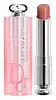 Key Ingredients
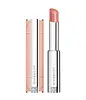
Benefits
Concerns
Ingredients Side-by-side
Polyglyceryl-2 Triisostearate
Emulsifying

Helianthus Annuus Seed Oil
Emollient

Hydrogenated Castor Oil Dimer Dilinoleate
Skin Conditioning
Phytosteryl/Octyldodecyl Lauroyl Glutamate
Skin ConditioningJojoba Esters
Emollient
Polyglyceryl-2 Isostearate/Dimer Dilinoleate Copolymer
EmollientEuphorbia Cerifera Cera
Astringent
Behenyl Behenate
EmollientHelianthus Annuus Seed Wax
Skin Conditioning
Butyrospermum Parkii Butter
Skin Conditioning



Oryza Sativa Bran Wax
Skin Conditioning
Caprylic/Capric Triglyceride
Masking
Parfum
Masking


Butyrospermum Parkii Butter Unsaponifiables
Skin Conditioning
Trimethylolpropane Triisostearate
Emollient
Prunus Avium Seed Oil
Emollient
Diisostearyl Malate
EmollientTocopherol
Antioxidant





Ethyl Vanillin
MaskingAscorbyl Palmitate
Antioxidant

Undaria Pinnatifida Extract
Skin ConditioningPropyl Gallate
Antioxidant
CI 77891
Cosmetic ColorantCI 77491
Cosmetic ColorantCI 77499
Cosmetic ColorantCI 19140
Cosmetic ColorantCI 15985
Cosmetic ColorantCI 45380
Cosmetic ColorantCI 15850
Cosmetic ColorantPolyglyceryl-2 Triisostearate, Helianthus Annuus Seed Oil, Hydrogenated Castor Oil Dimer Dilinoleate, Phytosteryl/Octyldodecyl Lauroyl Glutamate, Jojoba Esters, Polyglyceryl-2 Isostearate/Dimer Dilinoleate Copolymer, Euphorbia Cerifera Cera, Behenyl Behenate, Helianthus Annuus Seed Wax, Butyrospermum Parkii Butter, Oryza Sativa Bran Wax, Caprylic/Capric Triglyceride, Parfum, Butyrospermum Parkii Butter Unsaponifiables, Trimethylolpropane Triisostearate, Prunus Avium Seed Oil, Diisostearyl Malate, Tocopherol, Ethyl Vanillin, Ascorbyl Palmitate, Undaria Pinnatifida Extract, Propyl Gallate, CI 77891, CI 77491, CI 77499, CI 19140, CI 15985, CI 45380, CI 15850
Methyl Hydrogenated Rosinate
Perfuming
Squalane
Emollient
Polyglyceryl-2 Triisostearate
Emulsifying
Helianthus Annuus Seed Wax
Skin Conditioning
Dimer Dilinoleyl Dimer Dilinoleate
EmollientHydrogenated Styrene/Methylstyrene/Indene Copolymer
Sorbitan Olivate
Emulsifying
Stearyl Heptanoate
Emollient
Ethylhexyl Palmitate
Emollient
Cera Alba
Emollient
Stearyl Caprylate
EmollientSucrose Tetrastearate Triacetate
Emollient
Parfum
Masking
Trimethylolpropane Triisostearate
Emollient
Oryza Sativa Bran Wax
Skin Conditioning
Brassica Campestris Seed Oil
Skin Conditioning
Calcium Aluminum Borosilicate
Opuntia Ficus-Indica Flower Extract
Skin ConditioningCamelina Sativa Seed Oil
Skin Conditioning
Ascorbyl Tetraisopalmitate
Antioxidant
Pentaerythrityl Tetra-Di-T-Butyl Hydroxyhydrocinnamate
Antioxidant
Schinus Terebinthifolia Seed Extract
AstringentTrihydroxystearin
Skin Conditioning
Propyl Gallate
Antioxidant
Sodium Hyaluronate
Humectant
Tin Oxide
Abrasive
CI 77891
Cosmetic ColorantCI 77491
Cosmetic ColorantCI 19140
Cosmetic ColorantCI 15985
Cosmetic ColorantCI 15850
Cosmetic ColorantCI 45410
Cosmetic ColorantCI 42090
Cosmetic ColorantMethyl Hydrogenated Rosinate, Squalane, Polyglyceryl-2 Triisostearate, Helianthus Annuus Seed Wax, Dimer Dilinoleyl Dimer Dilinoleate, Hydrogenated Styrene/Methylstyrene/Indene Copolymer, Sorbitan Olivate, Stearyl Heptanoate, Ethylhexyl Palmitate, Cera Alba, Stearyl Caprylate, Sucrose Tetrastearate Triacetate, Parfum, Trimethylolpropane Triisostearate, Oryza Sativa Bran Wax, Brassica Campestris Seed Oil, Calcium Aluminum Borosilicate, Opuntia Ficus-Indica Flower Extract, Camelina Sativa Seed Oil, Ascorbyl Tetraisopalmitate, Pentaerythrityl Tetra-Di-T-Butyl Hydroxyhydrocinnamate, Schinus Terebinthifolia Seed Extract, Trihydroxystearin, Propyl Gallate, Sodium Hyaluronate, Tin Oxide, CI 77891, CI 77491, CI 19140, CI 15985, CI 15850, CI 45410, CI 42090
Reviews
Ingredients Explained
These ingredients are found in both products.
Ingredients higher up in an ingredient list are typically present in a larger amount.
Ci 15850 is the pigment color red. It is an azo dye and created synthetically.
Azo dyes need to be thoroughly purified before use. This allows them to be more stable and longer-lasting.
This ingredient is common in foundations, lipsticks, and blushes. This color is described as brown/orangey red.
It has many secondary names such as Red 6 and Red 7. According to a manufacturer, Red 6 usually contains aluminum.
Learn more about CI 15850Ci 15985 is a dye made from petroleum. It is synthetically created and approved by the FDA for use in foods and cosmetics.
The color of this dye is orange/yellow.
This ingredient can be found in makeup, sun care, and skincare.
Learn more about CI 15985CI 19140 is also known as Tartrazine. Tartrazine is a synthetic dye used in cosmetics, foods, and medicine to add a yellow color.
Tartrazine is created from petroleum and is water-soluble.
Some people may experience allergies from this dye, especially asthmatics and those with an aspirin intolerance.
Learn more about CI 19140Ci 77491 is also hydrated iron III oxide. It's sole purpose is to give a red/pink hue to products.
Iron III oxides are classified as inorganic chemicals for coloring.
Synthetically created Ci 77491 is considered safer than those naturally found. This is because the synthetically created version may contain less impurities. Iron oxides are generally non-toxic and non-allergenic.
Learn more about CI 77491Ci 77891 is a white pigment from Titanium dioxide. It is naturally found in minerals such as rutile and ilmenite.
It's main function is to add a white color to cosmetics. It can also be mixed with other colors to create different shades.
Ci 77891 is commonly found in sunscreens due to its ability to block UV rays.
Learn more about CI 77891Helianthus Annuus Seed Wax is created from the common sunflower.
Sunflower seed wax is made up of long chain non-glyceride esters, a small amount of fatty alcohols, and fatty acids.
This ingredient is often used to enhance the texture of products. The fatty acid properties also help hydrate the skin.
Learn more about Helianthus Annuus Seed WaxOryza Sativa Bran Wax is wax from the outer layer of a rice kernel. It has moisturizing properties due to its polysaccharides and omega-3 fatty acids content.
This ingredient is a byproduct of milling rice, or the operation to produce a whole grain rice product.
Parfum is a catch-all term for an ingredient or more that is used to give a scent to products.
Also called "fragrance", this ingredient can be a blend of hundreds of chemicals or plant oils. This means every product with "fragrance" or "parfum" in the ingredients list is a different mixture.
For instance, Habanolide is a proprietary trade name for a specific aroma chemical. When used as a fragrance ingredient in cosmetics, most aroma chemicals fall under the broad labeling category of “FRAGRANCE” or “PARFUM” according to EU and US regulations.
The term 'parfum' or 'fragrance' is not regulated in many countries. In many cases, it is up to the brand to define this term.
For instance, many brands choose to label themselves as "fragrance-free" because they are not using synthetic fragrances. However, their products may still contain ingredients such as essential oils that are considered a fragrance by INCI standards.
One example is Calendula flower extract. Calendula is an essential oil that still imparts a scent or 'fragrance'.
Depending on the blend, the ingredients in the mixture can cause allergies and sensitivities on the skin. Some ingredients that are known EU allergens include linalool and citronellol.
Parfum can also be used to mask or cover an unpleasant scent.
The bottom line is: not all fragrances/parfum/ingredients are created equally. If you are worried about fragrances, we recommend taking a closer look at an ingredient. And of course, we always recommend speaking with a professional.
Learn more about ParfumPolyglyceryl-2 Triisostearate is a plant-derived emulsifier and pigment-dispersing agent with a non-sticky skin feel.
It helps products glide on smoothly and prevents oil and water from separating in a formula, making it suitable for sunscreen and makeup formulations.
The EU inventory of cosmetics has no use restrictions on this ingredient and it is considered well-tolerated.
This ingredient may not be fungal acne safe because it is derived from isostearic acid.
Learn more about Polyglyceryl-2 TriisostearatePropyl Gallate is a synthetic antioxidant. It works by protecting the oils, fats, and fragrance compounds in a formula from going rancid through oxidation, helping the product stay stable and effective for longer.
The Cosmetic Ingredient Review Expert Panel recommends keeping Propyl Gallate at or below 0.1% due to potential sensitization at higher levels, and most formulas stay within that limit.
We flag Propyl Gallate as both a general irritant and a lip irritant because direct skin contact can trigger redness or allergic contact dermatitis. The more sensitive skin on and around the lips is prone to reacting.
Learn more about Propyl GallateThis ingredient comes from trimethylolpropane and isostearic acid. It has emollient and skin conditioning properties.
According to a manufacturer, this ingredient provides a non-tacky, light, glossy feeling on the skin.
Due to its isotearic acid base, this ingredient may not be fungal-acne safe.
Learn more about Trimethylolpropane Triisostearate

