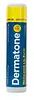
This lip moisturizer is formulated around Dimethicone and Petrolatum to hydrate lips.
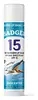
This barrier-repair lip moisturizer is formulated around Olea Europaea Fruit Oil and Butyrospermum Parkii Butter to strengthen the lip barrier and hydrate lips.

What's inside
What's inside
 Key Ingredients
Benefits
Concerns
Ingredients Side-by-side
Butyl Methoxydibenzoylmethane 3%
UV Absorber
Homosalate 8.2%
Skin Conditioning
Ethylhexyl Methoxycinnamate 7.5%
UV Absorber
Octocrylene 7%
UV Absorber
Dimethicone 2%
Emollient

Ozokerite
Emulsion StabilisingParaffinum Liquidum
Emollient

Petrolatum
Emollient
Synthetic Beeswax
Emulsion Stabilising

Microcrystalline Wax
Emulsion StabilisingLanolin
Emollient
Phenyl Trimethicone
Skin Conditioning
Euphorbia Cerifera Wax
Parfum
Masking

Menthol
Masking

Phenol
Tocopheryl Acetate
Antioxidant


Retinyl Palmitate
Skin Conditioning

Helianthus Annuus Seed Oil
Emollient
Theobroma Cacao Seed Butter
Emollient
Aloe Barbadensis Leaf Extract
Emollient

Melaleuca Alternifolia Leaf Oil
Antioxidant


Butyl Methoxydibenzoylmethane 3%, Homosalate 8.2%, Ethylhexyl Methoxycinnamate 7.5%, Octocrylene 7%, Dimethicone 2%, Ozokerite, Paraffinum Liquidum, Petrolatum, Synthetic Beeswax, Microcrystalline Wax, Lanolin, Phenyl Trimethicone, Euphorbia Cerifera Wax, Parfum, Menthol, Phenol, Tocopheryl Acetate, Retinyl Palmitate, Helianthus Annuus Seed Oil, Theobroma Cacao Seed Butter, Aloe Barbadensis Leaf Extract, Melaleuca Alternifolia Leaf Oil


Ingredients Explained
These ingredients are found in both products.
Ingredients higher up in an ingredient list are typically present in a larger amount.
This ingredient is also known as Cocoa butter; it's the fat pressed out of roasted cocoa beans.
Cocoa butter is solid at room temperature and melts right around body temperature, which is why it feels waxy in the jar and slippery on skin.
It has a very saturated profile (stearic acid ~34 to 36%, oleic acid ~30 to 40%, and palmitic acid ~24 to 29%) that makes it a strong occlusive: it sits on top and slows water escaping from skin.
Concentration data shows that it can show up anywhere from a few percent in lotions up to 100% in balms, and the FDA lists cocoa butter as an OTC skin protectant active at 50-100%.
The CIR has reviewed it and concluded it to be safe as used in cosmetics.
This is one of the ingredients with a comedogenic score of 4/5 from the rabbit ear test. Just know that a later human study did find that finished products containing high-comedogenic ingredients like cocoa butter did not increase microcomedone formation.
The fair call here is that this ingredient is most likely fine on body or low-percentage formulas, but can potentially be riskier as a heavy leave-on facial product if you break out easily.
Cocoa butter may not be fungal acne safe; it is a triglyceride of C16-18 fatty acids that the Malassezia yeast can metabolize.
Allergies to cocoa butter are rare and uncommon, but a few cases have been documented (mostly in cases where the person ate chocolate). So if you have a tree nut allergy, be sure to patch test or avoid.
Learn more about Theobroma Cacao Seed Butter

