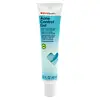
This acne treatment is formulated around Salicylic Acid and Glycolic Acid to clear breakouts and refine the look of pores.
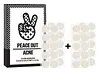
This blemish patch uses Hydrocolloid to cover open blemishes and absorb the fluid they release.

What's inside
What's inside
 Key Ingredients
Benefits
Concerns
Ingredients Side-by-side
Salicylic Acid 2%
Masking










Water
Skin ConditioningGlycerin
Humectant


Sodium Polyacrylate
Absorbent
Carbomer
Emulsion StabilisingSodium Hydroxide
BufferingGlycolic Acid
Buffering



Lactic Acid
Buffering
Niacinamide
Smoothing


Ceramide AP
Skin Conditioning
Ceramide EOP
Skin Conditioning
Sodium Hyaluronate
Humectant
Sodium Lauroyl Lactylate
EmulsifyingCholesterol
Emollient
Disodium EDTA
ChelatingHydroxypropyl Guar
Emulsion StabilisingXanthan Gum
EmulsifyingPhytosphingosine
Skin Conditioning
Phenoxyethanol
Preservative
Sodium Benzoate
Masking
Ethylhexylglycerin
Skin ConditioningSalicylic Acid 2%, Water, Glycerin, Sodium Polyacrylate, Carbomer, Sodium Hydroxide, Glycolic Acid, Lactic Acid, Niacinamide, Ceramide AP, Ceramide EOP, Sodium Hyaluronate, Sodium Lauroyl Lactylate, Cholesterol, Disodium EDTA, Hydroxypropyl Guar, Xanthan Gum, Phytosphingosine, Phenoxyethanol, Sodium Benzoate, Ethylhexylglycerin

Reviews
Ingredients Explained
These ingredients are found in both products.
Ingredients higher up in an ingredient list are typically present in a larger amount.
Salicylic Acid (also known as beta hydroxy acid or BHA) is a well-known ingredient for treating skin that struggles with acne and clogged pores. It exfoliates both the skin's surface and deep within the pores to help clear out buildup, control oil, and reduce inflammation.
Unlike AHAs (alpha hydroxy acids), salicylic acid is oil-soluble. This allows it to penetrate into pores which makes it especially effective for treating blackheads and preventing future breakouts.
Salicylic acid is also known for its soothing properties. It has a similar structure to aspirin and can calm inflamed or irritated skin, making it a good option for acne-prone skin that is also sensitive.
Concentrations of 0.5-2% are recognized by the U.S. FDA as an over-the-counter topical acne product.
It can cause irritation and/or dryness if one's skin already has a compromised moisture barrier, so it's best to focus on repairing that before introducing this ingredient into your routine.
While salicylic acid does not increase sun sensitivity, it’s still important to wear sunscreen daily to protect your skin.
If you are looking for the ingredient called BHA or Butylated Hydroxyanisole, click here.
Learn more about Salicylic Acid

