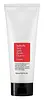
This salicylic acid cream cleanser is formulated around Salicylic Acid to clear breakouts and unclog pores.


What's inside
What's inside
 Key Ingredients
Benefits
Concerns
Ingredients Side-by-side
Water
Skin ConditioningMyristic Acid
Cleansing




Sodium Chloride
MaskingEthyl Hexanediol
SolventCocamidopropyl Betaine
Cleansing

Citrus Limon Fruit Oil
Astringent
Sodium Methyl Cocoyl Taurate
Cleansing
Ethylhexylglycerin
Skin ConditioningStearic Acid
Cleansing
PEG-60 Hydrogenated Castor Oil
Emulsifying
Polysorbate 80
Emulsifying
Caprylyl Glycol
Emollient
Glycerin
Humectant

Potassium Hydroxide
BufferingSalicylic Acid
Masking







Lauric Acid
Cleansing
Butylene Glycol
Humectant
Salix Alba Bark Water
Astringent
1,2-Hexanediol
Skin Conditioning
Disodium EDTA
Glycol Distearate
Emollient
Melaleuca Alternifolia Leaf Oil
Antioxidant


Citric Acid
Buffering
Water, Myristic Acid, Sodium Chloride, Ethyl Hexanediol, Cocamidopropyl Betaine, Citrus Limon Fruit Oil, Sodium Methyl Cocoyl Taurate, Ethylhexylglycerin, Stearic Acid, PEG-60 Hydrogenated Castor Oil, Polysorbate 80, Caprylyl Glycol, Glycerin, Potassium Hydroxide, Salicylic Acid, Lauric Acid, Butylene Glycol, Salix Alba Bark Water, 1,2-Hexanediol, Disodium EDTA, Glycol Distearate, Melaleuca Alternifolia Leaf Oil, Citric Acid
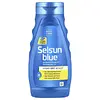
Zinc Pyrithione 1%
Antiseborrhoeic
Water
Skin ConditioningCocamidopropyl Betaine
Cleansing
Glycol Distearate
Emollient
Sodium Methyl Cocoyl Taurate
Cleansing
Glyceryl Caprylate/Caprate
EmollientSodium Lauryl Glucose Carboxylate
CleansingLauryl Glucoside
CleansingAloe Barbadensis Leaf Juice
Skin Conditioning
Niacinamide
Smoothing


Tocopheryl Acetate
Antioxidant
Citric Acid
Buffering
Polyacrylate Crosspolymer-6
Emulsion StabilisingParfum
Masking
Hydroxyacetophenone
Antioxidant
Disodium EDTA
Potassium Hydroxide
BufferingCI 42090
Cosmetic ColorantZinc Pyrithione 1%, Water, Cocamidopropyl Betaine, Glycol Distearate, Sodium Methyl Cocoyl Taurate, Glyceryl Caprylate/Caprate, Sodium Lauryl Glucose Carboxylate, Lauryl Glucoside, Aloe Barbadensis Leaf Juice, Niacinamide, Tocopheryl Acetate, Citric Acid, Polyacrylate Crosspolymer-6, Parfum, Hydroxyacetophenone, Disodium EDTA, Potassium Hydroxide, CI 42090
Reviews
Ingredients Explained
These ingredients are found in both products.
Ingredients higher up in an ingredient list are typically present in a larger amount.
Citric Acid is an alpha hydroxy acid (AHA) naturally found in citrus fruits like oranges, lemons, and limes.
Like other AHAs, citric acid can exfoliate skin by breaking down the bonds that hold dead skin cells together. This helps reveal smoother and brighter skin underneath.
However, this exfoliating effect only happens at high concentrations (20%) which can be hard to find in cosmetic products.
Due to this, citric acid is usually included in small amounts as a pH adjuster. This helps keep products slightly more acidic and compatible with skin's natural pH.
In skincare formulas, citric acid can:
While it can provide some skin benefits, research shows lactic acid and glycolic acid are generally more effective and less irritating exfoliants.
Most citric acid used in skincare today is made by fermenting sugars (usually from molasses). This synthetic version is identical to the natural citrus form but easier to stabilize and use in formulations.
Rosacea skin has a lower threshold for acids generally, with 62.5% of rosacea subjects in one study reacting to lactic acid in a sting test. This is why we mark citric acid as a potential rosacea trigger.
However, this ingredient shows up as a pH adjuster or chelator at roughly 0.1-1% in many products. These low levels are unlikely to be an issue for rosacea skin and becomes a potential trigger at exfoliating concentrations (20%). Because everybody's skin is unique, we recommend a patch test if you are unsure.
Learn more about Citric AcidCocamidopropyl Betaine is a fatty acid created by mixing similar compounds in coconut oil and dimethylaminopropylamine, a compound with two amino groups.
This ingredient is a surfactant and cleanser. It helps gather the dirt, pollutants, and other impurities in your skin to be washed away. It also helps thicken a product and make the texture more creamy.
Being created from coconut oil means Cocamidopropyl Betaine is hydrating for the skin.
While Cocamidopropyl Betaine was believed to be an allergen, a study from 2012 disproved this. It found two compounds in unpure Cocamidopropyl Betaine to be the irritants: aminoamide and 3-dimethylaminopropylamine. High-grade and pure Cocamidopropyl Betaine did not induce allergic reactions during this study.
Learn more about Cocamidopropyl BetaineDisodium EDTA is a chelating agent. It grabs onto and deactivates metal ions that sneak into your products from water, packaging, or air.
This ingredient mainly works behind the scenes and helps with:
On top of that, this ingredient can counteract the effects of hard water by binding to the minerals in it.
One thing worth knowing is that Disodium EDTA has been shown to be a mild penetration enhancer. It can help other ingredients absorb into skin more effectively which can be a double-edged sword (great for actives, but can also make the active too strong if you have sensitive skin).
Clinical patch testing showed no significant skin irritation at typical use concentrations and minimal dermal absorption.
You'll most likely see this ingredient near the end of an ingredient list. It's typically found in concentrations less than 1%.
Learn more about Disodium EDTAGlycol Distearate is an emulsifier and emollient that adds a "pearly" appearance to formulations.
That lustrous look you see in many shampoos is due to this ingredient: when cooled, it crystallizes into small platelets that reflect light to give products that rich, shimmering look.
This ingredient is considered safe at present practices of use and concentration and repeated insult patch test with 50% Glycol Distearate on 125 subjects found no evidence of skin irritation, hypersensitivity, or acute toxicity.
Typical use concentrations range from 0.1-10%.
Because it's an ester of stearic acid, it falls into the range that Malassezia likes to metabolize. This ingredient may not be fungal acne safe.
Learn more about Glycol DistearatePotassium Hydroxide (also known as potash) is a strong alkaline ingredient that does one job: it nudges a product's pH up so the whole formula lands in a skin-friendly range.
It's also the base that turns oils into liquid soap during the soap making process.
An expert safety panel reviewed it and found it safe when formulations are made to be non-irritating.
As a pH adjuster, it's typically used well under 1% though regulatory caps go much higher: 5% in nail cuticle removers and 2-4.5% in hair straighteners.
Though there is some concern for irritation from raw or high pH material, a well-balanced formula will be a non-issue for the vast majority of people.
Learn more about Potassium HydroxideSodium Methyl Cocoyl Taurate is a gentle, coconut-derived cleansing surfactant. It's most commonly found in "sulfate-free" cleansers.
As a taurate, it belongs to a class of anionic surfactants prized for being efficient at cleansing without harshness, good performance in hard water, stability across a wide pH range, and easily biodegradable.
It is able to lift away oil and grime and make a nice lather without stripping your skin, so it's a good pick for sensitive skin.
Safety-wise, it has a good record. The CIR Expert Panel has concluded this ingredient to be safe in cosmetics and concentrations go up to 11% in leave-on products or 13% in rinse-off products.
Despite being derived from coconut oil, this ingredient is fungal acne safe. It's a water-soluble surfactant with no fatty oils or esters left intact on skin for the Malassezia yeast to feed.
Learn more about Sodium Methyl Cocoyl TaurateWater. It's the most common cosmetic ingredient of all. You'll usually see it at the top of ingredient lists, meaning that it makes up the largest part of the product.
So why is it so popular? Water most often acts as a solvent - this means that it helps dissolve other ingredients into the formulation.
You'll also recognize water as that liquid we all need to stay alive. If you see this, drink a glass of water. Remember to stay hydrated!
Learn more about Water

