

What's inside
What's inside
 Key Ingredients
Benefits
Concerns
Ingredients Side-by-side
Water
Skin ConditioningAcrylates Copolymer
Butylene Glycol
Humectant

Glycerin
Humectant
Disodium Laureth Sulfosuccinate
CleansingSodium Cocoyl Isethionate
Cleansing
1,2-Hexanediol
Skin Conditioning
Coco-Glucoside
Cleansing
Lauryl Betaine
CleansingSnail Secretion Filtrate
Skin Conditioning


Arginine
Masking
Tromethamine
BufferingPotassium Cocoyl Glycinate
Parfum
Masking



Carbomer
Emulsion StabilisingSodium Chloride
MaskingEthylhexylglycerin
Skin ConditioningAcrylates/C10-30 Alkyl Acrylate Crosspolymer
Emulsion StabilisingSodium Polyacrylate
Absorbent
Disodium EDTA
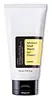
Water, Acrylates Copolymer, Butylene Glycol, Glycerin, Disodium Laureth Sulfosuccinate, Sodium Cocoyl Isethionate, 1,2-Hexanediol, Coco-Glucoside, Lauryl Betaine, Snail Secretion Filtrate, Arginine, Tromethamine, Potassium Cocoyl Glycinate, Parfum, Carbomer, Sodium Chloride, Ethylhexylglycerin, Acrylates/C10-30 Alkyl Acrylate Crosspolymer, Sodium Polyacrylate, Disodium EDTA





Reviews
Ingredients Explained
These ingredients are found in both products.
Ingredients higher up in an ingredient list are typically present in a larger amount.
Ethylhexylglycerin is created from glycerin. It is a multitasker ingredient that:
The CIR Expert Panel found minimal skin absorption or sensitization of any kind in a safety assessment. Though this ingredient is considered well-tolerated, a small number of cases of allergic dermatitis have been published since 2002. Just be sure to patch test if you are unsure.
Industry-reported use ranges from 8% in rinse-off products and 2% in leave-on formulations.
Learn more about EthylhexylglycerinGlycerin (or glycerol) is a compound naturally found in your skin. It's a powerhouse humectant that pulls water into the stratum corneum.
Topically, glycerin does several things at once:
Your skin makes glycerin on its own (mostly from sebaceous oil breakdown) and shuttles it to your outermost layer of skin, or your epidermis, via aquaporin-3.
Aquaporin-3 is a transporter that is essential for normal skin hydration, elasticity, and repair. Interestingly, mice lacking in AQP3 have dry and less elastic skin that can be fully corrected with glycerin.
This ingredient is non-irritating, plays well with almost every ingredient, and works across all skin types. Typical use is anywhere between 3-10% but can go up to 79% in some leave-on products.
Just know very high concentrations (>40%) can feel tacky in low humidity.
Glycerin is the name for this ingredient in American English. British English uses Glycerol/Glycerine.
Learn more about GlycerinSnail Secretion Filtrate is the excretion from snails. It is an effective moisturizer and promotes collagen production.
A popular nickname for this ingredient is 'Snail Mucin'.
Snail mucin has numerous skin benefits:
On top of this, Snail Secretion Filtrate contains a variety of vitamins and minerals. These include copper peptides, Vitamin A, and Vitamin E. Vitamins A and E are antioxidants. Antioxidants help fight free-radicals that damage skin cells.
Being cruelty-free means a brand does not experiment on animals.
If you're worried about the well-being of the snails, we recommend looking more into the company of the product. Many brands have developed humane methods to collect snail mucin.
There is much debate on this subject. On one hand, this ingredient comes from an animal. On the other hand, many will argue the ingredient is naturally secreted (like a natural by-product) and therefore vegan. If you have reservations, you can look into Galactomyces Ferment Filtrate or Centella Asiatica Extract as alternatives.
Learn more about Snail Secretion FiltrateWater. It's the most common cosmetic ingredient of all. You'll usually see it at the top of ingredient lists, meaning that it makes up the largest part of the product.
So why is it so popular? Water most often acts as a solvent - this means that it helps dissolve other ingredients into the formulation.
You'll also recognize water as that liquid we all need to stay alive. If you see this, drink a glass of water. Remember to stay hydrated!
Learn more about Water
