
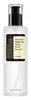
This hydrating essence is formulated around Snail Secretion Filtrate and Allantoin to hydrate skin and calm redness.
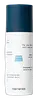
This hydrating serum is formulated around Acetamidoethoxyethanol and Panthenol to hydrate skin and strengthen the skin barrier.


What's inside
What's inside
 Key Ingredients
Benefits
Concerns
No concerns
Ingredients Side-by-side



Water
Skin ConditioningAcetamidoethoxyethanol
Humectant
Glycerin
Humectant

Hydroxyethyl Urea
Humectant
Pentylene Glycol
Skin Conditioning
Methylpropanediol
SolventBetaine
Humectant
Panthenol
Skin Conditioning
Asiaticoside
Antioxidant


Madecassic Acid
Skin Conditioning
Asiatic Acid
Skin Conditioning
Xylitylglucoside
Humectant
Anhydroxylitol
Humectant
Xylitol
Humectant
Tetrasodium Glutamate Diacetate
Xanthan Gum
EmulsifyingSclerotium Gum
Emulsion StabilisingLecithin
Emollient
Sodium Acrylates Copolymer
Triethyl Citrate
Masking

Lactic Acid
Buffering







Water, Acetamidoethoxyethanol, Glycerin, Hydroxyethyl Urea, Pentylene Glycol, Methylpropanediol, Betaine, Panthenol, Asiaticoside, Madecassic Acid, Asiatic Acid, Xylitylglucoside, Anhydroxylitol, Xylitol, Tetrasodium Glutamate Diacetate, Xanthan Gum, Sclerotium Gum, Lecithin, Sodium Acrylates Copolymer, Triethyl Citrate, Lactic Acid
Reviews
Ingredients Explained
These ingredients are found in both products.
Ingredients higher up in an ingredient list are typically present in a larger amount.
Betaine is a humectant. Like hyaluronic acid, it helps attract and retain moisture in the skin. It’s known for being gentle and for helping the skin maintain balanced hydration.
Betaine is mainly used to improve hydration and support calmer skin. It helps skin cells regulate water balance because it functions as an osmolyte.
Some studies suggest betaine may support making skin tone more even.
Fun fact: Betaine naturally exists in the skin and the body. In cosmetic products, it can be either plant-derived (most commonly from sugar beets) or synthetically produced for consistency and stability.
Betaine is also known as trimethylglycine.
Learn more about BetainePanthenol is a common ingredient that helps hydrate and soothe the skin. It is found naturally in our skin and hair.
There are two forms of panthenol: D and L.
D-panthenol is also known as dexpanthenol. Most cosmetics use dexpanthenol or a mixture of D and L-panthenol.
Panthenol is famous due to its ability to go deeper into the skin's layers. Using this ingredient has numerous pros (and no cons):
Like hyaluronic acid, panthenol is a humectant. Humectants are able to bind and hold large amounts of water to keep skin hydrated.
This ingredient works well for wound healing. It works by increasing tissue in the wound and helps close open wounds.
Once oxidized, panthenol converts to pantothenic acid. Panthothenic acid is found in all living cells.
This ingredient is also referred to as pro-vitamin B5.
Learn more about PanthenolWater. It's the most common cosmetic ingredient of all. You'll usually see it at the top of ingredient lists, meaning that it makes up the largest part of the product.
So why is it so popular? Water most often acts as a solvent - this means that it helps dissolve other ingredients into the formulation.
You'll also recognize water as that liquid we all need to stay alive. If you see this, drink a glass of water. Remember to stay hydrated!
Learn more about Water

