

What's inside
What's inside
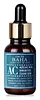 Key Ingredients
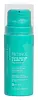
Benefits
Concerns
Ingredients Side-by-side





Water
Skin ConditioningNiacinamide
Smoothing











Simmondsia Chinensis Seed Oil
Emollient


Polyacrylamide
Kojic Acid
Antioxidant

C13-14 Isoparaffin
Emollient
Phenoxyethanol
Preservative
Retinyl Palmitate
Skin Conditioning
Laureth-7
EmulsifyingTocopherol
Antioxidant
Retinol
Skin Conditioning
Polysorbate 20
Emulsifying
Sodium Metabisulfite
Antioxidant
Ethylhexylglycerin
Skin ConditioningCitric Acid
Buffering
Sodium Phytate
Squalane
Emollient
Tetrahexyldecyl Ascorbate
Antioxidant
Glycerin
Humectant
Alpha-Arbutin
Antioxidant
Ascorbic Acid
Antioxidant
Glutathione
Azelaic Acid
Buffering
Alchemilla Vulgaris Flower/Leaf/Stem Extract
AstringentMalva Sylvestris Flower/Leaf/Stem Extract
Skin ConditioningMentha Piperita Leaf Extract
Skin ConditioningPrimula Veris Flower Extract
Skin ConditioningVeronica Officinalis Flower/Leaf/Stem Extract
AstringentMelissa Officinalis Leaf Extract
Skin ConditioningSodium Sulfite
Preservative
Sodium Hyaluronate
Humectant
Achillea Millefolium Flower/Leaf/Stem Extract
Skin ConditioningWater, Niacinamide, Simmondsia Chinensis Seed Oil, Polyacrylamide, Kojic Acid, C13-14 Isoparaffin, Phenoxyethanol, Retinyl Palmitate, Laureth-7, Tocopherol, Retinol, Polysorbate 20, Sodium Metabisulfite, Ethylhexylglycerin, Citric Acid, Sodium Phytate, Squalane, Tetrahexyldecyl Ascorbate, Glycerin, Alpha-Arbutin, Ascorbic Acid, Glutathione, Azelaic Acid, Alchemilla Vulgaris Flower/Leaf/Stem Extract, Malva Sylvestris Flower/Leaf/Stem Extract, Mentha Piperita Leaf Extract, Primula Veris Flower Extract, Veronica Officinalis Flower/Leaf/Stem Extract, Melissa Officinalis Leaf Extract, Sodium Sulfite, Sodium Hyaluronate, Achillea Millefolium Flower/Leaf/Stem Extract
Reviews
Ingredients Explained
These ingredients are found in both products.
Ingredients higher up in an ingredient list are typically present in a larger amount.
Azelaic acid is a multitasker ingredient that helps treat acne, pigmentation, and irritation. It is a great option for sensitive skin.
What makes it special?
OTC Azelaic acid is usually available in concentrations from 10-15% and anything over requires a prescription.
Here's what each tier does best:
Unlike other acids, azelaic acid will not make your skin more photosensitive/sun sensitive.
Though this ingredient is naturally occurring in grains like wheat, rye, and barley, it is usually synthetically created for cosmetics to ensure stability and effectiveness.
Learn more about Azelaic AcidNiacinamide is a multitasking form of vitamin B3 that strengthens the skin barrier, reduces pores and dark spots, regulates oil, and improves signs of aging.
And the best part? It's gentle and well-tolerated by most skin types, including sensitive and reactive skin.
You might have heard of "niacin flush", or the reddening of skin that causes itchiness. Niacinamide has not been found to cause this.
In very rare cases, some individuals may not be able to tolerate niacinamide at all or experience an allergic reaction to it.
If you are experiencing flaking, irritation, and dryness with this ingredient, be sure to double check all your products as this ingredient can be found in all categories of skincare.
When incorporating niacinamide into your routine, look out for concentration amounts. Typically, 5% niacinamide provides benefits such as fading dark spots. However, if you have sensitive skin, it is better to begin with a smaller concentration.
When you apply niacinamide to your skin, your body converts it into nicotinamide adenine dinucleotide (NAD). NAD is an essential coenzyme that is already found in your cells as "fuel" and powers countless biological processes.
In your skin, NAD helps repair cell damage, produce new healthy cells, support collagen production, strengthen the skin barrier, and fight environmental stressors (like UV and pollution).
Our natural NAD levels start to decline with age, leading to slower skin repair, visible aging, and a weaker skin barrier. By providing your skin niacinamide, you're recharging your skin's NAD levels. This leads to stronger, healthier, and younger looking skin.
Another name for vitamin B3 is nicotinamide. This vitamin is water-soluble and our bodies don't store it. We obtain Vitamin B3 from either food or skincare. Meat, fish, wheat, yeast, and leafy greens contain vitamin B3.
The type of niacinamide used in skincare is synthetically created.
Learn more about NiacinamidePolysorbate 20 is a gentle, water-soluble emulsifier and mild surfactant. It stops oil and water from separating to keep your formulas blended and stable.
It also acts as a mild penetration enhancer by helping active ingredients absorb slightly better.
The common safety discussion around this ingredient involves a manufacturing byproduct called 1,4-dioxane.
Trace amounts can form during production but the EU's Scientific Committee on Consumer Safety has concluded that levels at/below 10 ppm in finished products are safe (commercial products consistently fall within acceptable margins).
True allergic reactions are uncommon and the CIR Expert Panel has confirmed this ingredient to be safe as used in cosmetics.
Because it is derived from lauric acid, it may not be fungal acne safe.
Learn more about Polysorbate 20Retinol is a gold-standard ingredient for anti-aging. It is a form of Vitamin A and belongs to the class of retinoids that also includes tretinoin.
Why is retinol famous?
It has the most scientific studies backing up its skin benefits out of all the non-prescription ingredients.
Retinol is proven to:
This is why retinol is effective at removing wrinkles, fading dark spots, treating acne, and reducing the appearance of pores.
Studies show retinol is less effective when exposed to UV. Be sure to look for appropriate packaging to keep your retinol potent (similar to Vitamin C).
Using retinol or any retinoids will increase sun-sensitivity in the first few months. Though studies show retinoids increase your skin's natural SPF with continuous use, it is best to always wear sunscreen and sun-protection.
We recommend speaking with a medical professional about using this ingredient during pregnancy.
Retinol may cause irritation in some people, so be sure to patch test. Experts recommend 'ramping up' retinol use: start using this ingredient once a week and work up to using it daily.
Read about Tretinoin
Learn more about RetinolSodium Hyaluronate is the salt form of hyaluronic acid. It is a long sugar chain that is naturally found in your skin, joints, and connective tissue that maintains hydration and elasticity.
In skincare, it works as a humectant. It pulls water from the environment and deeper layers of skin and binds it to the surface.
Interestingly, the size of the molecule affects its behavior:
Some clinical evidence links low molecular weight versions to improved wrinkle depth, elasticity, anti-inflammatory effects, and barrier repair.
Many serums use a blend of both weights so you can get surface hydration plus longer-lasting and deeper effects.
You'll typically see concentrations between 0.1-2% for this ingredient.
Learn more about Sodium HyaluronateWater. It's the most common cosmetic ingredient of all. You'll usually see it at the top of ingredient lists, meaning that it makes up the largest part of the product.
So why is it so popular? Water most often acts as a solvent - this means that it helps dissolve other ingredients into the formulation.
You'll also recognize water as that liquid we all need to stay alive. If you see this, drink a glass of water. Remember to stay hydrated!
Learn more about Water
