
What's inside
What's inside
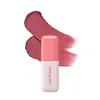 Key Ingredients
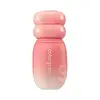
No key ingredients
Benefits
Concerns
Ingredients Side-by-side
Dimethicone
Emollient

Dimethicone Crosspolymer
Emulsion Stabilising
Cetearyl Dimethicone Crosspolymer
Polyglyceryl-2 Triisostearate
Emulsifying

Tribehenin
Emollient
Vinyl Dimethicone/Methicone Silsesquioxane Crosspolymer

Titanium Dioxide
Cosmetic Colorant

Bis-Behenyl/Isostearyl/Phytosteryl Dimer Dilinoleyl Dimer Dilinoleate
EmollientSilica
Abrasive

Vp/Hexadecene Copolymer
Glyceryl Caprylate
EmollientCaprylyl Glycol
Emollient
Diisostearyl Malate
EmollientParfum
Masking



CI 77491
Cosmetic ColorantCI 15850
Cosmetic ColorantCI 15985
Cosmetic ColorantCI 77499
Cosmetic ColorantDimethicone, Dimethicone Crosspolymer, Cetearyl Dimethicone Crosspolymer, Polyglyceryl-2 Triisostearate, Tribehenin, Vinyl Dimethicone/Methicone Silsesquioxane Crosspolymer, Titanium Dioxide, Bis-Behenyl/Isostearyl/Phytosteryl Dimer Dilinoleyl Dimer Dilinoleate, Silica, Vp/Hexadecene Copolymer, Glyceryl Caprylate, Caprylyl Glycol, Diisostearyl Malate, Parfum, CI 77491, CI 15850, CI 15985, CI 77499
Dimethicone
Emollient
Water
Skin ConditioningDimethicone Crosspolymer
Emulsion Stabilising
Polysorbate 60
Emulsifying
Cetyl PEG/PPG-10/1 Dimethicone
Emulsifying
Pentylene Glycol
Skin Conditioning
1,2-Hexanediol
Skin Conditioning
Glycerin
Humectant
Sodium Acrylates Crosspolymer-2
AbsorbentHydroxyethyl Acrylate/Sodium Acryloyldimethyl Taurate Copolymer
Emulsion StabilisingSqualane
Emollient
Trisodium Ethylenediamine Disuccinate
ChelatingSorbitan Isostearate
Emulsifying
Aluminum Hydroxide
EmollientAmmonium Polyacrylate
StabilisingButylene Glycol
Humectant
Phenoxyethanol
Preservative
Parfum
Masking
CI 77891
Cosmetic ColorantCI 15985
Cosmetic ColorantCI 45410
Cosmetic ColorantCI 17200
Cosmetic ColorantCI 42090
Cosmetic ColorantDimethicone, Water, Dimethicone Crosspolymer, Polysorbate 60, Cetyl PEG/PPG-10/1 Dimethicone, Pentylene Glycol, 1,2-Hexanediol, Glycerin, Sodium Acrylates Crosspolymer-2, Hydroxyethyl Acrylate/Sodium Acryloyldimethyl Taurate Copolymer, Squalane, Trisodium Ethylenediamine Disuccinate, Sorbitan Isostearate, Aluminum Hydroxide, Ammonium Polyacrylate, Butylene Glycol, Phenoxyethanol, Parfum, CI 77891, CI 15985, CI 45410, CI 17200, CI 42090
Reviews
Ingredients Explained
These ingredients are found in both products.
Ingredients higher up in an ingredient list are typically present in a larger amount.
Ci 15985 is a dye made from petroleum. It is synthetically created and approved by the FDA for use in foods and cosmetics.
The color of this dye is orange/yellow.
This ingredient can be found in makeup, sun care, and skincare.
Learn more about CI 15985Dimethicone is a type of synthetic silicone created from natural materials such as quartz. It is also known as polydimethylsiloxane.
What it does:
Dimethicone comes in different viscosities:
Depending on the viscosity, dimethicone has different properties.
Ingredients lists don't always show which type is used, so we recommend reaching out to the brand if you have questions about the viscosity.
This ingredient is unlikely to cause irritation because it does not get absorbed into skin. However, people with silicone allergies should be careful about using this ingredient.
Note: Dimethicone may contribute to pilling. This is because it is not oil or water soluble, so pilling may occur when layered with products. When mixed with heavy oils in a formula, the outcome is also quite greasy.
Learn more about DimethiconeDimethicone Crosspolymer is a silicone created by modifying dimethicone with hydrocarbon side chains. Due to its large size, it does not penetrate skin. It is considered non-occlusive.
Dimethicone Crosspolymer is used to stabilize and thicken products. It also helps give products a silky feel.
Parfum is a catch-all term for an ingredient or more that is used to give a scent to products.
Also called "fragrance", this ingredient can be a blend of hundreds of chemicals or plant oils. This means every product with "fragrance" or "parfum" in the ingredients list is a different mixture.
For instance, Habanolide is a proprietary trade name for a specific aroma chemical. When used as a fragrance ingredient in cosmetics, most aroma chemicals fall under the broad labeling category of “FRAGRANCE” or “PARFUM” according to EU and US regulations.
The term 'parfum' or 'fragrance' is not regulated in many countries. In many cases, it is up to the brand to define this term.
For instance, many brands choose to label themselves as "fragrance-free" because they are not using synthetic fragrances. However, their products may still contain ingredients such as essential oils that are considered a fragrance by INCI standards.
One example is Calendula flower extract. Calendula is an essential oil that still imparts a scent or 'fragrance'.
Depending on the blend, the ingredients in the mixture can cause allergies and sensitivities on the skin. Some ingredients that are known EU allergens include linalool and citronellol.
Parfum can also be used to mask or cover an unpleasant scent.
The bottom line is: not all fragrances/parfum/ingredients are created equally. If you are worried about fragrances, we recommend taking a closer look at an ingredient. And of course, we always recommend speaking with a professional.
Learn more about Parfum

