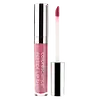
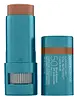
Colorescience Peptide Lip Shine SPF 30 PA+++ Versus Colorescience Sunforgettable Total Protection Color Balm SPF50 PA++++

What's inside
What's inside
 Key Ingredients
Benefits
Concerns
Ingredients Side-by-side
Zinc Oxide 7.8%
Cosmetic Colorant


Phenyl Trimethicone
Skin Conditioning
Bis-Vinyl Dimethicone/Dimethicone Copolymer
Emulsion Stabilising
Neopentyl Glycol Diheptanoate
EmollientDisteardimonium Hectorite
StabilisingMica
Cosmetic ColorantEthylhexyl Palmitate
Emollient




Tocopheryl Acetate
Antioxidant


Triethyl Citrate
Masking

Glyceryl Isostearate
Emollient
Cetyl PEG/PPG-10/1 Dimethicone
Emulsifying
Polyhydroxystearic Acid
Emulsifying
Tribehenin
Emollient
Sodium Hyaluronate
Humectant




Palmitoyl Tripeptide-1
Skin Conditioning


Sorbitan Isostearate
Emulsifying
Tin Oxide
Abrasive
Aroma
Limonene
Perfuming

CI 77491
Cosmetic ColorantCI 77492
Cosmetic ColorantCI 77499
Cosmetic ColorantCI 77891
Cosmetic ColorantCI 75470
Cosmetic ColorantZinc Oxide 7.8%, Phenyl Trimethicone, Bis-Vinyl Dimethicone/Dimethicone Copolymer, Neopentyl Glycol Diheptanoate, Disteardimonium Hectorite, Mica, Ethylhexyl Palmitate, Tocopheryl Acetate, Triethyl Citrate, Glyceryl Isostearate, Cetyl PEG/PPG-10/1 Dimethicone, Polyhydroxystearic Acid, Tribehenin, Sodium Hyaluronate, Palmitoyl Tripeptide-1, Sorbitan Isostearate, Tin Oxide, Aroma, Limonene, CI 77491, CI 77492, CI 77499, CI 77891, CI 75470
Jojoba Esters
Emollient
Calcium Sodium Borosilicate
Synthetic Fluorphlogopite
Mica
Cosmetic ColorantButyloctyl Salicylate
Skin Conditioning
C26-28 Alkyl Dimethicone
Skin Conditioning
Squalane
Emollient
C18-36 Acid Triglyceride
EmollientGlyceryl Dibehenate
Emollient
Tridecyl Salicylate
Skin Conditioning
Euphorbia Cerifera Wax
Vp/Eicosene Copolymer
Tribehenin
Emollient
Methylpropanediol
SolventLecithin
Emollient
Dimethiconol
Emollient
Glyceryl Behenate
Emollient
Copernicia Cerifera Wax
Caprylyl Glycol
Emollient
Physalis Angulata Extract
Skin ProtectingCaprylic/Capric Triglyceride
Masking
Bisabolol
Antioxidant
Tocopheryl Acetate
Antioxidant
Phenylpropanol
Masking
Tin Oxide
Abrasive
Dimethylmethoxy Chromanol
Antioxidant
Dimethicone
Emollient
Tocopherol
Antioxidant
Iron Oxides
CI 77891
Cosmetic ColorantJojoba Esters, Calcium Sodium Borosilicate, Synthetic Fluorphlogopite, Mica, Butyloctyl Salicylate, C26-28 Alkyl Dimethicone, Squalane, C18-36 Acid Triglyceride, Glyceryl Dibehenate, Tridecyl Salicylate, Euphorbia Cerifera Wax, Vp/Eicosene Copolymer, Tribehenin, Methylpropanediol, Lecithin, Dimethiconol, Glyceryl Behenate, Copernicia Cerifera Wax, Caprylyl Glycol, Physalis Angulata Extract, Caprylic/Capric Triglyceride, Bisabolol, Tocopheryl Acetate, Phenylpropanol, Tin Oxide, Dimethylmethoxy Chromanol, Dimethicone, Tocopherol, Iron Oxides, CI 77891
Ingredients Explained
These ingredients are found in both products.
Ingredients higher up in an ingredient list are typically present in a larger amount.
Ci 77891 is a white pigment from Titanium dioxide. It is naturally found in minerals such as rutile and ilmenite.
It's main function is to add a white color to cosmetics. It can also be mixed with other colors to create different shades.
Ci 77891 is commonly found in sunscreens due to its ability to block UV rays.
Learn more about CI 77891Mica is a naturally occurring mineral used to add shimmer and color in cosmetics. It can also help improve the texture of a product or give it an opaque, white/silver color.
Serecite is the name for very fine but ragged grains of mica.
This ingredient is often coated with metal oxides like titanium dioxide. Trace amounts of heavy metals may be found in mica, but these metals are not harmful in our personal products.
Mica has been used since prehistoric times throughout the world. Ancient Egyptian, Indian, Greek, Roman, Aztec, and Chinese civilizations have used mica.
Learn more about MicaTin Oxide is an inorganic oxide used to add opacity and volume to a product. In nature, it is already found in mineral form. The main ore of tin is an opaque and shiny mineral called casseterite.
Tin Oxide helps remove translucency in a product, or make it more opaque. Besides adding opacity, tin oxide is used for bulking to add volume.
Tocopheryl Acetate is a stable, shelf-friendly form of vitamin E.
Formulators love it because plain vitamin E oxidizes quickly once it hits air. This acetate version stays stable and resists going off, helping to extend a product's shelf life.
It's actually inactive on its own and works like a slow-release "storage" form; the enzymes in your skin called esterases gradually convert it into active vitamin E over time.
One in vivo study showed 5% of the acetate in the living layer of the epidermis converted to vitamin E after 5 days of application. This study also found the skin gained protection against UV damage even though the conversion was slow and small.
Once converted, vitamin E acts as a skin's main fat-soluble antioxidant that fights free radicals to protect skin from damage.
Topical vitamin E generally boosts the skin's photoprotection, and it reduced UV-damage in animal models.
This ingredient has some brightening potential but it's more of a prevention ingredient than spot-fader. Cell studies show it can slow down melanin production but it's worth noting that it's not the most powerful brightener out there.
Overall, it has a pretty solid safety profile and has been found to be non-irritating and non-comedogenic. Allergic reactions may happen but stay rare due to how widely the ingredient gets used.
The concentration will vary depending on the formula; industry data shows 0.1% in baby lotions, 3% in lipsticks, and 5% in foot powders. You can also find this ingredient at 100% in a pure vitamin E oil.
Most leave-on skincare keeps it at the lower end, often between 0.5-1%.
Learn more about Tocopheryl AcetateTribehenin is the triglyceride of glycerin and behenic acid. It is an emollient that helps soften and condition skin.
Safety-wise, this is a well-vetted ingredient. Repeated-insult patch tests of 0.38% tribehenin did not trigger sensitization.
This ingredient may not be fungal acne safe because behenic acid falls into the chain-length range that Malassezia yeasts can feed on.
Learn more about Tribehenin

