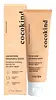
This barrier-repair moisturizer is formulated around Squalane and Avena Sativa Kernel Oil to strengthen the skin barrier and hydrate skin.
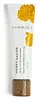
This moisturizer is formulated around Helianthus Annuus Seed Oil and Honey Extract to hydrate skin.

What's inside
What's inside
 Key Ingredients
Benefits
Concerns
Ingredients Side-by-side
Carthamus Tinctorius Seed Oil
Masking



Butyrospermum Parkii Butter
Skin Conditioning



Squalane
Emollient
Vitis Vinifera Seed Oil
Emollient
Ricinus Communis Seed Oil
Masking
Helianthus Annuus Seed Wax
Skin Conditioning
Polyhydroxystearic Acid
Emulsifying
Rhus Verniciflua Peel Wax
Glyceryl Laurate
Emollient
Cetearyl Alcohol
Emollient

Avena Sativa Kernel Oil
Skin Conditioning
Tocopherol
Antioxidant



Helianthus Annuus Seed Oil
Emollient
Ceramide NP
Skin Conditioning
Ascorbyl Palmitate
Antioxidant

Glycerin
Humectant
Lauric Acid
Cleansing
Carthamus Tinctorius Seed Oil, Butyrospermum Parkii Butter, Squalane, Vitis Vinifera Seed Oil, Ricinus Communis Seed Oil, Helianthus Annuus Seed Wax, Polyhydroxystearic Acid, Rhus Verniciflua Peel Wax, Glyceryl Laurate, Cetearyl Alcohol, Avena Sativa Kernel Oil, Tocopherol, Helianthus Annuus Seed Oil, Ceramide NP, Ascorbyl Palmitate, Glycerin, Lauric Acid
Helianthus Annuus Seed Oil
Emollient
Ricinus Communis Seed Oil
Masking
Hydroxystearic/Linolenic/Linoleic Polyglycerides
EmollientCanola Oil
Emollient
Polyhydroxystearic Acid
Emulsifying
Rhus Verniciflua Peel Wax
Echinacea Purpurea Root Extract
MoisturisingAroma

Honey Extract
Humectant
Cera Alba
Emollient
Propolis Extract
Skin Conditioning

Royal Jelly Extract
Skin Conditioning
Tocopherol
Antioxidant
Tocopheryl Acetate
Antioxidant
Ascorbyl Palmitate
Antioxidant
Hydrogenated Castor Oil
Emollient
Euphorbia Cerifera Wax
Helianthus Annuus Seed Wax
Skin Conditioning
Copernicia Cerifera Wax
Helianthus Annuus Seed Oil, Ricinus Communis Seed Oil, Hydroxystearic/Linolenic/Linoleic Polyglycerides, Canola Oil, Polyhydroxystearic Acid, Rhus Verniciflua Peel Wax, Echinacea Purpurea Root Extract, Aroma, Honey Extract, Cera Alba, Propolis Extract, Royal Jelly Extract, Tocopherol, Tocopheryl Acetate, Ascorbyl Palmitate, Hydrogenated Castor Oil, Euphorbia Cerifera Wax, Helianthus Annuus Seed Wax, Copernicia Cerifera Wax
Reviews
Ingredients Explained
These ingredients are found in both products.
Ingredients higher up in an ingredient list are typically present in a larger amount.
Ascorbyl Palmitate is a fat-soluble form of vitamin C (Ascorbic Acid) made by combining it with palmitic acid.
It is able to blend easily into creams and oil-based formulas because it dissolves in oils rather than water.
As you may know, regular vitamin C is notorious for breaking down when exposed to sunlight and air. Ascorbyl Palmitate is more stable and degrades at a slower rate.
Research on whether it converts efficiently into active vitamin C once it's applied on your skin is still limited.
Some in-vitro studies suggest it may support collagen production, but it is not considered one of the stronger vitamin C derivatives, like:
Due to the palmitic acid base, this ingredient may not be fungal acne safe. Comedogenic studies have also shown this ingredient to have a rating of 2.
It's also worth keeping in mind that comedogenic and irritancy ratings are tested on individual ingredients, not finished formulas. The final product's formulation, concentration, and other ingredients all play a role in how something actually behaves on your skin.
Learn more about Ascorbyl PalmitateHelianthus Annuus Seed Oil is a plant oil derived from the seeds of a sunflower.
It is rich in fatty acids, primarily linoleic acid and oleic acid. This gives it emollient and skin conditioning properties.
The reason this ingredient is so effective is because it forms a thin film on the skin that reduces transepidermal water loss (TEWL) while supplying linoleic acid to the stratum corneum to improve barrier strength.
The high linoleic acid content is particularly noteworthy for acne-prone skin.
Research suggests that acne-prone skin tends to be deficient in linoleic acid in sebum. Topical application may help replenish this to support a healthier follicular environment and less comedone-promoting sebum.
One randomized study found sunflower seed oil preserved skin barrier integrity in adult volunteers with and without atopic dermatitis (outperforming olive oil).
This ingredient is well-studied, gentle, and an effective emollient suitable for most skin types.
On fungal acne: This ingredient may not be Fungal acne (Malassezia folliculitis) safe. This is because it contains fatty acids with carbon chain lengths in the C11-C24 range.
Learn more about Helianthus Annuus Seed OilHelianthus Annuus Seed Wax is created from the common sunflower.
Sunflower seed wax is made up of long chain non-glyceride esters, a small amount of fatty alcohols, and fatty acids.
This ingredient is often used to enhance the texture of products. The fatty acid properties also help hydrate the skin.
Learn more about Helianthus Annuus Seed WaxPolyhydroxystearic Acid is a vegetable-derived soft wax made from castor oil. It's an emulsion stabilizer, thickener, and film former.
You'll likely see it in sunscreens because it helps disperse pigments and UV-reflecting minerals like titanium dioxide and zinc oxide evenly.
Depending on the concentration, it can drastically change the texture of a product from pasty solid (like lipstick) to sprayable liquid.
The CIR Expert Panel for Cosmetic Ingredient Safety has concluded this ingredient to be safe in cosmetics. The highest reported use concentration is 14.2% in lipsticks.
Learn more about Polyhydroxystearic AcidThis ingredient is also known as berry wax; it is a plant-derived wax from the peel or rind of the lacquer tree with emollient and stabilizing properties.
According to a manufacturer, this ingredient can help thicken/stabilize formulas, improves slip, and leave a soft emollient on skin.
It is important to note this ingredient comes from the lacquer tree which is in the same plant family as poison ivy or poison oak. Though this ingredient comes from the wax instead of sap (the sap contains the substance that causes itchy rashes), there is a very small chance that sensitive people could react.
Learn more about Rhus Verniciflua Peel WaxThis ingredient is also known as castor oil. It is a skin conditioning ingredient.
The star component of castor oil is ricinoleic acid, an unusual fatty acid that makes up ~80-92% of its composition.
In skincare, it is an emollient that dries down to a solid film with water-binding properties. This helps keep skin hydrated and helps reduce transepidermal water loss (TEWL).
A 2026 dermatology review pulls together its broader uses:
Human clinical testing found this ingredient to be non-irritating and non-sensitizing.
Because castor oil contains fatty acids in the C11-24 range, this ingredient may not be fungal acne safe.
At this time, the literature does not support castor oil in regrowing hair. A 2022 systematic review found no strong evidence that it supports hair growth and only weak evidence that it improves hair shine.
Castor oil itself carries "perfuming" and "masking" function tags according to the official CosIng database. This is because of its mild odor and odor-dampening properties.
Learn more about Ricinus Communis Seed OilTocopherol is a fat-soluble antioxidant known as Vitamin E.
You'll find this ingredient in the vast majority of skincare (for good reason). It works to neutralize free radicals, or unstable molecules generated by UV exposure, pollution, and other environmental stressors, before they can cause oxidative damage to your skin cells.
Topically applied tocopherol has been shown to protect against UV damage by ramping up the skin's own natural defense enzymes.
It also acts as a skin conditioning agent; some studies show that regular topical use can improve the skin's water-binding capacity over 2-4 weeks.
This ingredient is especially loved for being a team player. When combined with Vitamin C, the photoprotective effect of both ingredients roughly doubles and the combo also helps reduce UV-induced DNA damage.
This ingredient has some brightening potential but it's more of a prevention ingredient than spot-fader. Cell studies show it can slow down melanin production but it's worth noting that it's not the most powerful brightener out there.
In formulations, it also serves as a stabilizer that helps protect other oxidation-prone ingredients from degrading.
Concentrations usually range from 0.1-1% in most leave-on products.
Learn more about Tocopherol

