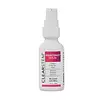
This barrier-repair serum is formulated around Palmitoyl Tripeptide-8 and Copper Tripeptide-1 to strengthen the skin barrier and soften the look of wrinkles.
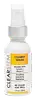
This acne serum is formulated around Mandelic Acid and Lactic Acid to clear breakouts and refine skin texture.

What's inside
What's inside
 Key Ingredients
Benefits
Concerns
Ingredients Side-by-side
Water
Skin ConditioningGlycerin
Humectant


Propanediol
Solvent
Maltodextrin
Absorbent
Saccharide Isomerate
Humectant
Human Bone Marrow Stem Cell Conditioned Media
Skin ConditioningCamellia Sinensis Leaf Extract
Antimicrobial





Aloe Barbadensis Leaf Extract
Emollient
Curcuma Wenyujin/Curcuma Kwangsiensis Rhizome Extract
AntiseborrhoeicAngelica Polymorpha Sinensis Root Extract
Skin ConditioningPalmitoyl Tripeptide-8
Skin Conditioning
Copper Tripeptide-1
Skin Conditioning
Caprooyl Tetrapeptide-3
Skin Protecting
Argania Spinosa Kernel Oil
Emollient



Mangifera Indica Fruit Extract
Skin ConditioningJasminum Officinale Oil
Masking



Swertia Chirata Extract
HumectantPhyscomitrella Patens Protonema Extract
Skin ConditioningIsomalt
HumectantCaprylyl Glycol
Emollient
Caprylhydroxamic Acid
Ammonium Polyacryloyldimethyl Taurate
Emulsion StabilisingTetrasodium Glutamate Diacetate
Lactic Acid
Buffering


Panthenol
Skin Conditioning
Sodium Hyaluronate
Humectant
Mica
Cosmetic ColorantCitric Acid
Buffering
Sodium Citrate
BufferingDextran
Phospholipids
Skin Conditioning
Butylene Glycol
Humectant
Polysorbate 20
Emulsifying
Water, Glycerin, Propanediol, Maltodextrin, Saccharide Isomerate, Human Bone Marrow Stem Cell Conditioned Media, Camellia Sinensis Leaf Extract, Aloe Barbadensis Leaf Extract, Curcuma Wenyujin/Curcuma Kwangsiensis Rhizome Extract, Angelica Polymorpha Sinensis Root Extract, Palmitoyl Tripeptide-8, Copper Tripeptide-1, Caprooyl Tetrapeptide-3, Argania Spinosa Kernel Oil, Mangifera Indica Fruit Extract, Jasminum Officinale Oil, Swertia Chirata Extract, Physcomitrella Patens Protonema Extract, Isomalt, Caprylyl Glycol, Caprylhydroxamic Acid, Ammonium Polyacryloyldimethyl Taurate, Tetrasodium Glutamate Diacetate, Lactic Acid, Panthenol, Sodium Hyaluronate, Mica, Citric Acid, Sodium Citrate, Dextran, Phospholipids, Butylene Glycol, Polysorbate 20
Water
Skin ConditioningMandelic Acid
Antimicrobial
Propanediol
Solvent
Olive Oil Glycereth-8 Esters
Emollient
Glycerin
Humectant
Hamamelis Virginiana Extract
Antiseborrhoeic
Tetrasodium Glutamate Diacetate
Xanthan Gum
EmulsifyingLactic Acid
Buffering
Sodium PCA
Humectant
Toona Sinensis Leaf Extract
Antioxidant
Curcuma Longa Root Extract
Antioxidant
Citrus Paradisi Fruit Extract
Skin ConditioningCitrus Paradisi Seed Extract
Masking
Capsaicin
Masking
Hesperidin
EmollientCitrus Reticulata Peel Oil
Masking
Ascorbic Acid
Antioxidant
Citric Acid
Buffering
Citrus Sinensis Peel Oil Expressed
Perfuming
Sodium Lactate
Buffering
Parfum
Masking
Water, Mandelic Acid, Propanediol, Olive Oil Glycereth-8 Esters, Glycerin, Hamamelis Virginiana Extract, Tetrasodium Glutamate Diacetate, Xanthan Gum, Lactic Acid, Sodium PCA, Toona Sinensis Leaf Extract, Curcuma Longa Root Extract, Citrus Paradisi Fruit Extract, Citrus Paradisi Seed Extract, Capsaicin, Hesperidin, Citrus Reticulata Peel Oil, Ascorbic Acid, Citric Acid, Citrus Sinensis Peel Oil Expressed, Sodium Lactate, Parfum
Ingredients Explained
These ingredients are found in both products.
Ingredients higher up in an ingredient list are typically present in a larger amount.
Citric Acid is an alpha hydroxy acid (AHA) naturally found in citrus fruits like oranges, lemons, and limes.
Like other AHAs, citric acid can exfoliate skin by breaking down the bonds that hold dead skin cells together. This helps reveal smoother and brighter skin underneath.
However, this exfoliating effect only happens at high concentrations (20%) which can be hard to find in cosmetic products.
Due to this, citric acid is usually included in small amounts as a pH adjuster. This helps keep products slightly more acidic and compatible with skin's natural pH.
In skincare formulas, citric acid can:
While it can provide some skin benefits, research shows lactic acid and glycolic acid are generally more effective and less irritating exfoliants.
Most citric acid used in skincare today is made by fermenting sugars (usually from molasses). This synthetic version is identical to the natural citrus form but easier to stabilize and use in formulations.
Read more about some other popular AHA's here:
Learn more about Citric AcidGlycerin (or glycerol) is a compound naturally found in your skin. It's a powerhouse humectant that pulls water into the stratum corneum.
Topically, glycerin does several things at once:
Your skin makes glycerin on its own (mostly from sebaceous oil breakdown) and shuttles it to your outermost layer of skin, or your epidermis, via aquaporin-3.
Aquaporin-3 is a transporter that is essential for normal skin hydration, elasticity, and repair. Interestingly, mice lacking in AQP3 have dry and less elastic skin that can be fully corrected with glycerin.
This ingredient is non-irritating, plays well with almost every ingredient, and works across all skin types. Typical use is anywhere between 3-10% but can go up to 79% in some leave-on products.
Just know very high concentrations (>40%) can feel tacky in low humidity.
Glycerin is the name for this ingredient in American English. British English uses Glycerol/Glycerine.
Learn more about GlycerinLactic Acid is another well-loved alpha hydroxy acid (AHA). It is gentler than glycolic acid but still highly effective.
Its main role is to exfoliate the surface of the skin by loosening the “glue” that holds dead skin cells together. Shedding those old cells leads to smoother, softer, and more even-toned skin.
Because lactic acid molecules are larger than glycolic acid, they don’t penetrate as deeply. This means they’re less likely to sting or irritate, making it a great choice for beginners or those with sensitive skin.
Like glycolic acid, it can:
Lactic acid also acts as a humectant (like hyaluronic acid). It can draw water into the skin to improve hydration and also plays a role in the skin's natural moisturizing factor (NMF) in the form of sodium lactate.
Studies show it can boost ceramide production to strengthen the skin barrier and even help balance the skin’s microbiome.
To get results, choose products with a pH between 3-4.
Lower strengths (5-12%) focus on surface exfoliation; higher strengths (12% and up) can reach deeper in the dermis (deeper, supportive layer) to improve skin texture and firmness over time.
Though it was originally derived from milk, most modern lactic acid used in skincare is vegan. It is made through non-dairy fermentation to create a bio-identical and stable form suitable for all formulations.
When lactic acid shows up near the end of an ingredient list, it usually means the brand added just a tiny amount to adjust the product’s pH.
Legend has it that Cleopatra used to bathe in sour milk to help reduce wrinkles.
Lactic acid is truly a gentle multitasker: it exfoliates, hydrates, strengthens, and brightens. It's a great ingredient for giving your skin a smooth, glowing, and healthy look without the harshness of stronger acids.
Read more about some other popular AHA's here:
Learn more about Lactic AcidPropanediol is an all-star ingredient. It softens, hydrates, and smooths the skin.
It’s often used to:
Propanediol is not likely to cause sensitivity and considered safe to use. It is derived from corn or petroleum with a clear color and no scent.
Learn more about PropanediolTetrasodium Glutamate Diacetate is a chelating agent. Chelating agents help prevent metal ions from binding to other ingredients. This helps prevent unwanted effects and reactions from a product. These metal ions may come from water and are found in miniscule amounts.
Tetrasodium Glutamate Diacetate can also help other preservatives be more effective.
Water. It's the most common cosmetic ingredient of all. You'll usually see it at the top of ingredient lists, meaning that it makes up the largest part of the product.
So why is it so popular? Water most often acts as a solvent - this means that it helps dissolve other ingredients into the formulation.
You'll also recognize water as that liquid we all need to stay alive. If you see this, drink a glass of water. Remember to stay hydrated!
Learn more about Water

