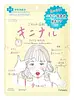
This acne sheet mask is formulated around Salicylic Acid and Dipotassium Glycyrrhizate to clear breakouts and calm redness.
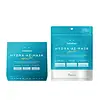
This oil-control sheet mask is formulated around Niacinamide and Potassium Azeloyl Diglycinate to balance excess oil and fade the look of dark spots.

What's inside
What's inside
 Key Ingredients
Benefits
Concerns
Ingredients Side-by-side
Salicylic Acid
Masking










Dipotassium Glycyrrhizate
Humectant

Water
Skin ConditioningButylene Glycol
Humectant

Dipropylene Glycol
HumectantSerine
Masking
Lactobacillus/Pear Juice Ferment Filtrate
Skin ConditioningCalendula Officinalis Extract
Skin Conditioning
Niacin
SmoothingCoix Lacryma-Jobi Ma-Yuen Seed Extract
Skin ConditioningMagnesium Ascorbyl Phosphate
Antioxidant



Tocopherol
Antioxidant

Acrylates/C10-30 Alkyl Acrylate Crosspolymer
Emulsion StabilisingDisodium EDTA
ChelatingXanthan Gum
EmulsifyingDiglycerin
Humectant
PPG-13-Decyltetradeceth-24
EmulsifyingDisodium Phosphate
BufferingSodium Hydroxide
BufferingSalicylic Acid, Dipotassium Glycyrrhizate, Water, Butylene Glycol, Dipropylene Glycol, Serine, Lactobacillus/Pear Juice Ferment Filtrate, Calendula Officinalis Extract, Niacin, Coix Lacryma-Jobi Ma-Yuen Seed Extract, Magnesium Ascorbyl Phosphate, Tocopherol, Acrylates/C10-30 Alkyl Acrylate Crosspolymer, Disodium EDTA, Xanthan Gum, Diglycerin, PPG-13-Decyltetradeceth-24, Disodium Phosphate, Sodium Hydroxide
Water
Skin ConditioningGlycerin
Humectant
Butylene Glycol
Humectant
Niacinamide
Smoothing
Potassium Azeloyl Diglycinate
Skin Conditioning
Mandelic Acid
Antimicrobial
Hydrolyzed Sodium Hyaluronate
Skin Conditioning
Bifida Ferment Filtrate
Skin Conditioning
Lactobacillus/Pear Juice Ferment Filtrate
Skin ConditioningRaffinose
Skin ConditioningPEG-40 Hydrogenated Castor Oil
Emulsifying

Xanthan Gum
EmulsifyingCitric Acid
Buffering
Sodium Citrate
BufferingDisodium EDTA
ChelatingCarbomer
Emulsion StabilisingPotassium Hydroxide
BufferingPhenoxyethanol
Preservative
Methylparaben
Preservative

Water, Glycerin, Butylene Glycol, Niacinamide, Potassium Azeloyl Diglycinate, Mandelic Acid, Hydrolyzed Sodium Hyaluronate, Bifida Ferment Filtrate, Lactobacillus/Pear Juice Ferment Filtrate, Raffinose, PEG-40 Hydrogenated Castor Oil, Xanthan Gum, Citric Acid, Sodium Citrate, Disodium EDTA, Carbomer, Potassium Hydroxide, Phenoxyethanol, Methylparaben
Reviews
Ingredients Explained
These ingredients are found in both products.
Ingredients higher up in an ingredient list are typically present in a larger amount.
Butylene Glycol (or BG) is used within cosmetic products for a few different reasons:
Overall, Butylene Glycol is a safe and well-rounded ingredient that works well with other ingredients.
Though this ingredient works well with most skin types, some people with sensitive skin may experience a reaction such as allergic rashes, closed comedones, or itchiness.
Learn more about Butylene GlycolDisodium EDTA is a chelating agent. It grabs onto and deactivates metal ions that sneak into your products from water, packaging, or air.
This ingredient mainly works behind the scenes and helps with:
On top of that, this ingredient can counteract the effects of hard water by binding to the minerals in it.
One thing worth knowing is that Disodium EDTA has been shown to be a mild penetration enhancer. It can help other ingredients absorb into skin more effectively which can be a double-edged sword (great for actives, but can also make the active too strong if you have sensitive skin).
Clinical patch testing showed no significant skin irritation at typical use concentrations and minimal dermal absorption.
You'll most likely see this ingredient near the end of an ingredient list. It's typically found in concentrations less than 1%.
Learn more about Disodium EDTAThis ingredient is exactly what it sounds like: pear juice fermented with the Lactobacillus bacteria (the bacteria is filtered out of the final product).
The main thing that comes out of this process is lactic acid, an AHA.
Lactic acid is one of the more well-studied AHAs in skincare:
Fermentation also adds some bonus phenolic compounds with antioxidant activity.
The only catch with this ingredient is that it is difficult to tell how much lactic acid is in any given product. Ferment filtrates don't come with standardized acid concentration like a 5% lactic acid serum would; this just means the actual exfoliating effect will vary depending on the formula's overall percentage and pH.
Remember that AHAs make your skin more sun-sensitive, so be sure to wear sunscreen.
Learn more about Lactobacillus/Pear Juice Ferment FiltrateWater. It's the most common cosmetic ingredient of all. You'll usually see it at the top of ingredient lists, meaning that it makes up the largest part of the product.
So why is it so popular? Water most often acts as a solvent - this means that it helps dissolve other ingredients into the formulation.
You'll also recognize water as that liquid we all need to stay alive. If you see this, drink a glass of water. Remember to stay hydrated!
Learn more about WaterXanthan gum is used as a stabilizer and thickener within cosmetic products. It helps give products a sticky, thick feeling - preventing them from being too runny.
On the technical side of things, xanthan gum is a polysaccharide - a combination consisting of multiple sugar molecules bonded together.
Xanthan gum is a pretty common and great ingredient. It is a natural, non-toxic, non-irritating ingredient that is also commonly used in food products.
Learn more about Xanthan Gum

