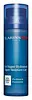
This moisturizer is formulated around Zinc Gluconate to fight breakouts and control oil.
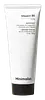
This barrier-repair moisturizer is formulated around Panthenol to strengthen the skin barrier and hydrate skin.


What's inside
What's inside
 Key Ingredients
Benefits
Concerns
No concerns
Ingredients Side-by-side
Water
Skin ConditioningGlycerin
Humectant


Butylene Glycol
Humectant
Propanediol
Solvent
Parfum
Masking




Sodium Polyacrylate Starch
AbsorbentPropylene Glycol
Humectant
Dimethicone
Emollient
Xylitylglucoside
Humectant
Hydroxyethyl Acrylate/Sodium Acryloyldimethyl Taurate Copolymer
Emulsion StabilisingAmmonium Acryloyldimethyltaurate/Vp Copolymer
Anhydroxylitol
Humectant
Ethylhexylglycerin
Skin ConditioningXylitol
Humectant
Disodium EDTA
ChelatingDimethiconol
Emollient
Decylene Glycol
Skin ConditioningGymnema Sylvestre Leaf Extract
AstringentGlucose
Humectant
Kalanchoe Pinnata Leaf Extract
MaskingZinc Gluconate
Skin Conditioning



Marrubium Vulgare Extract
Skin ConditioningSempervivum Tectorum Extract
Skin ConditioningCitric Acid
Buffering

Hierochloe Odorata Extract
MaskingPhenethyl Alcohol
MaskingFurcellaria Lumbricalis Extract
Skin ConditioningSodium Benzoate
Masking
Potassium Sorbate
Preservative
CI 42090
Cosmetic ColorantLapsana Communis Flower/Leaf/Stem Extract
Skin ConditioningMaris Sal
Skin ConditioningWater, Glycerin, Butylene Glycol, Propanediol, Parfum, Sodium Polyacrylate Starch, Propylene Glycol, Dimethicone, Xylitylglucoside, Hydroxyethyl Acrylate/Sodium Acryloyldimethyl Taurate Copolymer, Ammonium Acryloyldimethyltaurate/Vp Copolymer, Anhydroxylitol, Ethylhexylglycerin, Xylitol, Disodium EDTA, Dimethiconol, Decylene Glycol, Gymnema Sylvestre Leaf Extract, Glucose, Kalanchoe Pinnata Leaf Extract, Zinc Gluconate, Marrubium Vulgare Extract, Sempervivum Tectorum Extract, Citric Acid, Hierochloe Odorata Extract, Phenethyl Alcohol, Furcellaria Lumbricalis Extract, Sodium Benzoate, Potassium Sorbate, CI 42090, Lapsana Communis Flower/Leaf/Stem Extract, Maris Sal
Water
Skin ConditioningPanthenol
Skin Conditioning

Cyclopentasiloxane
Emollient
Dimethicone Crosspolymer
Emulsion Stabilising
Glycerin
Humectant
Xylitylglucoside
Humectant
Anhydroxylitol
Humectant
Xylitol
Humectant
PEG/PPG-18/18 Dimethicone
Emulsifying
Hydrogenated Polyisobutene
EmollientMagnesium Aspartate
Skin ConditioningZinc Gluconate
Skin Conditioning
Copper Gluconate
Skin Conditioning
Sodium Hyaluronate
Humectant

Betaine
Humectant
Phenoxyethanol
Preservative
Pentylene Glycol
Skin Conditioning
Allantoin
Skin Conditioning
Ethylhexylglycerin
Skin ConditioningCarbomer
Emulsion StabilisingMagnesium Sulfate
Hydroxyethyl Acrylate/Sodium Acryloyldimethyl Taurate Copolymer
Emulsion StabilisingWater, Panthenol, Cyclopentasiloxane, Dimethicone Crosspolymer, Glycerin, Xylitylglucoside, Anhydroxylitol, Xylitol, PEG/PPG-18/18 Dimethicone, Hydrogenated Polyisobutene, Magnesium Aspartate, Zinc Gluconate, Copper Gluconate, Sodium Hyaluronate, Betaine, Phenoxyethanol, Pentylene Glycol, Allantoin, Ethylhexylglycerin, Carbomer, Magnesium Sulfate, Hydroxyethyl Acrylate/Sodium Acryloyldimethyl Taurate Copolymer
Reviews
Ingredients Explained
These ingredients are found in both products.
Ingredients higher up in an ingredient list are typically present in a larger amount.
This ingredient is created from dehydrating xylitol in acidic conditions. Xylitol is a famous sugar and humectant.
Much like its predecessor, anhydroxylitol is a humectant. Humectants attract and hold water to moisturize the skin.
This ingredient is most commonly found in a popular trio called Aquaxyl. Aquaxyl is made up of anhydroxylitol (24 - 34%), xylitylglucoside (35 - 50%), and xylitol (5 - 15%).
According to a manufacturer, Aquaxyl is known for a 3-D hydration concept and an anti-dehydration shield to reinforce the outer layer of skin.
This ingredient is often derived from plants such as wood and sugarcane.
Learn more about AnhydroxylitolEthylhexylglycerin is created from glycerin. It is a multitasker ingredient that:
The CIR Expert Panel found minimal skin absorption or sensitization of any kind in a safety assessment. Though this ingredient is considered well-tolerated, a small number of cases of allergic dermatitis have been published since 2002. Just be sure to patch test if you are unsure.
Industry-reported use ranges from 8% in rinse-off products and 2% in leave-on formulations.
Learn more about EthylhexylglycerinGlycerin (or glycerol) is a compound naturally found in your skin. It's a powerhouse humectant that pulls water into the stratum corneum.
Topically, glycerin does several things at once:
Your skin makes glycerin on its own (mostly from sebaceous oil breakdown) and shuttles it to your outermost layer of skin, or your epidermis, via aquaporin-3.
Aquaporin-3 is a transporter that is essential for normal skin hydration, elasticity, and repair. Interestingly, mice lacking in AQP3 have dry and less elastic skin that can be fully corrected with glycerin.
This ingredient is non-irritating, plays well with almost every ingredient, and works across all skin types. Typical use is anywhere between 3-10% but can go up to 79% in some leave-on products.
Just know very high concentrations (>40%) can feel tacky in low humidity.
Glycerin is the name for this ingredient in American English. British English uses Glycerol/Glycerine.
Learn more about GlycerinThis is a synthetic polymer. It helps improve the texture of products by adding thickness and gel-like feel.
It is also an emulsifer, meaning it prevents ingredients such as oil and water from separating. It also helps evenly disperse other ingredients.
Water. It's the most common cosmetic ingredient of all. You'll usually see it at the top of ingredient lists, meaning that it makes up the largest part of the product.
So why is it so popular? Water most often acts as a solvent - this means that it helps dissolve other ingredients into the formulation.
You'll also recognize water as that liquid we all need to stay alive. If you see this, drink a glass of water. Remember to stay hydrated!
Learn more about WaterXylitol is a humectant and prebiotic. It can help with dry skin.
In studies, xylitol has been shown to improve dry skin. It decreased transepidermal water loss, or when water passes through the skin and evaporates. Xylitol also showed to help improve the biomechanical properties of the skin barrier.
The prebiotic property of xylitol may also help reinforce our skin's natural microbiome. Having a healthy microbiome prevents infection by bad bacteria and helps with hydration.
As a humectant, Xylitol helps draw moisture from both the air and from deeper skin layers. This helps keep skin hydrated.
Xylitol is a sugar alcohol and commonly used as a sugar substitute. It is naturally occurring in plants such as strawberries and pumpkin.
Learn more about XylitolXylitylglucoside is created from xylitol and glucose, two humectants.
Not surprisingly, this ingredient is also a humectant. It attracts and holds water in your skin, helping to maintain hydration.
This ingredient is most commonly found in a popular trio called Aquaxyl. Aquaxyl is made up of anhydroxylitol(24 - 34%), xylitylglucoside (35 - 50%), and xylitol (5 - 15%).
According to a manufacturer, Aquaxyl is known for a 3-D hydration concept and an anti-dehydration shield to reinforce the outer layer of skin.
Learn more about XylitylglucosideZinc gluconate has antibacterial and wound healing properties. It is particularly effective against fighting inflammatory acne.
This ingredient is the zinc salt of the PHA gluconic acid. PHAs are gentle cousins to AHAs.


