
What's inside
What's inside
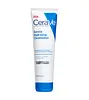 Key Ingredients
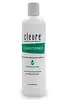
No key ingredients
Benefits
Concerns
Ingredients Side-by-side
Water
Skin ConditioningCetearyl Alcohol
Emollient



Behentrimonium Chloride
Preservative
Glycerin
Humectant



PEG-180
HumectantAmodimethicone

Cetyl Esters
Emollient
Ceramide NP
Skin Conditioning


Ceramide AP
Skin Conditioning
Ceramide EOP
Skin Conditioning
Carbomer
Emulsion StabilisingNiacinamide
Smoothing





Trideceth-6
EmulsifyingTriethyl Citrate
Masking
Sodium Lauroyl Lactylate
EmulsifyingSodium Hyaluronate
Humectant
Sodium Phosphate
BufferingCholesterol
Emollient
Chlorhexidine Dihydrochloride
Antimicrobial
Disodium Phosphate
BufferingIsopropyl Alcohol
Solvent




Hydroxyethylcellulose
Emulsion StabilisingCetrimonium Chloride
Antimicrobial
Caprylyl Glycol
Emollient
Phytosphingosine
Skin Conditioning
Xanthan Gum
EmulsifyingPolysorbate 60
Emulsifying
Benzoic Acid
Masking
Water, Cetearyl Alcohol, Behentrimonium Chloride, Glycerin, PEG-180, Amodimethicone, Cetyl Esters, Ceramide NP, Ceramide AP, Ceramide EOP, Carbomer, Niacinamide, Trideceth-6, Triethyl Citrate, Sodium Lauroyl Lactylate, Sodium Hyaluronate, Sodium Phosphate, Cholesterol, Chlorhexidine Dihydrochloride, Disodium Phosphate, Isopropyl Alcohol, Hydroxyethylcellulose, Cetrimonium Chloride, Caprylyl Glycol, Phytosphingosine, Xanthan Gum, Polysorbate 60, Benzoic Acid


Reviews
Ingredients Explained
These ingredients are found in both products.
Ingredients higher up in an ingredient list are typically present in a larger amount.
Caprylyl Glycol is a humectant and emollient, meaning it attracts and preserves moisture.
It is a common ingredient in many products, especially those designed to hydrate skin. The primary benefits are retaining moisture, skin softening, and promoting a healthy skin barrier.
Though Caprylyl Glycol is an alcohol derived from fatty acids, it is not the kind that can dry out skin.
This ingredient is also used as a preservative to extend the life of products. It has slight antimicrobial properties.
Learn more about Caprylyl GlycolCetearyl alcohol is a mixture of two fatty alcohols: cetyl alcohol and stearyl alcohol. It is mainly used as an emulsifier. Emulsifiers help prevent the separation of oils and products. Due to its composition, it can also be used to thicken a product or help create foam.
Cetearyl alcohol is an emollient. Emollients help soothe and hydrate the skin by trapping moisture.
Studies show Cetearyl alcohol is non-toxic and non-irritating. The FDA allows products labeled "alcohol-free" to have fatty alcohols.
This ingredient is usually derived from plant oils such as palm, vegetable, or coconut oils. There is debate on whether this ingredient will cause acne.
Due to the fatty acid base, this ingredient may not be Malassezia folliculitis safe.
Learn more about Cetearyl AlcoholPolysorbate 60 is used to help stabilize products. It is a surfactant and emulsifier. These properties help keep ingredients together in a product. Surfactants help reduce surface tension between ingredients with different states, such as liquids and solids. Emulsifiers help prevent oils and waters from separating.
Polysorbate 60 is sorbitol-based and created from the ethoxylation of sorbitan. Ethoxylation is a chemical reaction used to add ethylene oxide. Sorbitan is a the dehydrated version of sorbitol, a sugar found in fruits.
In this case, the 60 comes from reacting 60 units of ethylene oxide with sorbitan.
Polysorbates are commonly used in medicine and foods.
Learn more about Polysorbate 60Water. It's the most common cosmetic ingredient of all. You'll usually see it at the top of ingredient lists, meaning that it makes up the largest part of the product.
So why is it so popular? Water most often acts as a solvent - this means that it helps dissolve other ingredients into the formulation.
You'll also recognize water as that liquid we all need to stay alive. If you see this, drink a glass of water. Stay hydrated!
Learn more about Water
