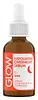
This smoothing serum is formulated around Glycolic Acid and Lactic Acid to refine skin texture and brighten dull-looking skin.
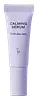
This calming serum is formulated around Aloe Barbadensis Leaf Juice and Saccharide Isomerate to calm redness and hydrate skin.


What's inside
What's inside
 Key Ingredients
Benefits
Concerns
Ingredients Side-by-side
Water
Skin ConditioningGlycolic Acid
Buffering











Propanediol
Solvent

Sodium Hydroxide
BufferingGlycerin
Humectant
Lactic Acid
Buffering
Inulin
Skin Conditioning
Enteromorpha Compressa Extract
Skin Protecting
Silybum Marianum Fruit Extract
Skin Conditioning
Ocimum Sanctum Leaf Extract
Skin ConditioningXanthan Gum
EmulsifyingSodium Gluconate
ChelatingCaprylyl Glycol
Emollient
Citric Acid
Buffering
Phenoxyethanol
Preservative
Water
Skin ConditioningAloe Barbadensis Leaf Juice
Skin Conditioning
Isoceteth-20
EmulsifyingXanthan Gum
EmulsifyingPropanediol
Solvent
Amodimethicone

Gluconolactone
Chelating
Saccharide Isomerate
Humectant
Squalane
Emollient
Sodium PCA
Humectant
Sodium Benzoate
Masking
Tocopherol
Antioxidant

Cetrimonium Chloride
Antimicrobial
Trideceth-10
CleansingMenthol
Masking

Enteromorpha Compressa Extract
Skin Protecting
Ormenis Multicaulis Oil
Masking
Calcium Gluconate
HumectantSilybum Marianum Fruit Extract
Skin Conditioning
Ocimum Sanctum Leaf Extract
Skin ConditioningLavandula Angustifolia Oil
Masking

Citric Acid
Buffering
Sodium Citrate
BufferingLinalool
Perfuming
Water, Aloe Barbadensis Leaf Juice, Isoceteth-20, Xanthan Gum, Propanediol, Amodimethicone, Gluconolactone, Saccharide Isomerate, Squalane, Sodium PCA, Sodium Benzoate, Tocopherol, Cetrimonium Chloride, Trideceth-10, Menthol, Enteromorpha Compressa Extract, Ormenis Multicaulis Oil, Calcium Gluconate, Silybum Marianum Fruit Extract, Ocimum Sanctum Leaf Extract, Lavandula Angustifolia Oil, Citric Acid, Sodium Citrate, Linalool
Ingredients Explained
These ingredients are found in both products.
Ingredients higher up in an ingredient list are typically present in a larger amount.
Citric Acid is an alpha hydroxy acid (AHA) naturally found in citrus fruits like oranges, lemons, and limes.
Like other AHAs, citric acid can exfoliate skin by breaking down the bonds that hold dead skin cells together. This helps reveal smoother and brighter skin underneath.
However, this exfoliating effect only happens at high concentrations (20%) which can be hard to find in cosmetic products.
Due to this, citric acid is usually included in small amounts as a pH adjuster. This helps keep products slightly more acidic and compatible with skin's natural pH.
In skincare formulas, citric acid can:
While it can provide some skin benefits, research shows lactic acid and glycolic acid are generally more effective and less irritating exfoliants.
Most citric acid used in skincare today is made by fermenting sugars (usually from molasses). This synthetic version is identical to the natural citrus form but easier to stabilize and use in formulations.
Rosacea skin has a lower threshold for acids generally, with 62.5% of rosacea subjects in one study reacting to lactic acid in a sting test. This is why we mark citric acid as a potential rosacea trigger.
However, this ingredient shows up as a pH adjuster or chelator at roughly 0.1-1% in many products. These low levels are unlikely to be an issue for rosacea skin and becomes a potential trigger at exfoliating concentrations (20%). Because everybody's skin is unique, we recommend a patch test if you are unsure.
Learn more about Citric AcidEnteromorpha Compressa Extract can be bad for acne prone skin.
Ocimum Sanctum Leaf Extract comes from the Holy Basil plant. Holy Basil is native to India.
Holy Basil is rich in antioxidants due to its high romarinic acid, ferulic acid, and rutin content. This gives it skin brightening and soothing properties.
While Holy Basil has many claims to help fight acne, more research is needed.
One thing to note is the presence of tannins; tannins are naturally found in nature. However, this compound may be skin-sensitizing.
Learn more about Ocimum Sanctum Leaf ExtractPropanediol is an all-star ingredient. It softens, hydrates, and smooths the skin.
It’s often used to:
Propanediol is not likely to cause sensitivity and considered safe to use. It is derived from corn or petroleum with a clear color and no scent.
Learn more about PropanediolThis ingredient is also known as milk thistle extract. It has antioxidant that can help soothe skin and even out skin tone.
Clinical studies found topical milk thistle extract can help improve the appearance of discoloration over time. This is most likely because it can help calm inflammation and supports more balanced pigment activity in the skin.
In real-world studies, products containing this extract were associated with fewer clogged pores and fewer acne lesions.
Lab studies show milk thistle has been shown to:
Research on this ingredient also found a sustained and significant decrease in acne lesion counts (a ~45% improvement after 6 months and ~59% at 12 months).
Learn more about Silybum Marianum Fruit ExtractWater. It's the most common cosmetic ingredient of all. You'll usually see it at the top of ingredient lists, meaning that it makes up the largest part of the product.
So why is it so popular? Water most often acts as a solvent - this means that it helps dissolve other ingredients into the formulation.
You'll also recognize water as that liquid we all need to stay alive. If you see this, drink a glass of water. Remember to stay hydrated!
Learn more about WaterXanthan gum is used as a stabilizer and thickener within cosmetic products. It helps give products a sticky, thick feeling - preventing them from being too runny.
On the technical side of things, xanthan gum is a polysaccharide - a combination consisting of multiple sugar molecules bonded together.
Xanthan gum is a pretty common and great ingredient. It is a natural, non-toxic, non-irritating ingredient that is also commonly used in food products.
Learn more about Xanthan Gum

