

What's inside
What's inside
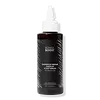 Key Ingredients
Benefits
Concerns
Ingredients Side-by-side
Salicylic Acid 2%
Masking










Water
Skin ConditioningGlycerin
Humectant


Propanediol
Solvent
Pentylene Glycol
Skin Conditioning
Caprylyl Glycol
Emollient
Ethylhexylglycerin
Skin ConditioningMenthol
Masking
Aloe Barbadensis Leaf Juice
Skin Conditioning

Niacinamide
Smoothing


Zinc Pyrithione
Antiseborrhoeic
Caffeine
Skin Conditioning
Mentha Piperita Oil
Masking


Arnica Montana Flower Extract
Masking
Cucumis Sativus Fruit Extract
Emollient
Chamomilla Recutita Extract
Skin Conditioning
Panthenol
Skin Conditioning
Xanthan Gum
EmulsifyingHydrolyzed Jojoba Esters
Skin Conditioning
Sorbitan Oleate Decylglucoside Crosspolymer
CleansingSodium Hydroxide
BufferingSalicylic Acid 2%, Water, Glycerin, Propanediol, Pentylene Glycol, Caprylyl Glycol, Ethylhexylglycerin, Menthol, Aloe Barbadensis Leaf Juice, Niacinamide, Zinc Pyrithione, Caffeine, Mentha Piperita Oil, Arnica Montana Flower Extract, Cucumis Sativus Fruit Extract, Chamomilla Recutita Extract, Panthenol, Xanthan Gum, Hydrolyzed Jojoba Esters, Sorbitan Oleate Decylglucoside Crosspolymer, Sodium Hydroxide
Water
Skin ConditioningPropanediol
Solvent
Salicylic Acid
Masking
Betaine
Humectant
Panthenol
Skin Conditioning
PEG-40 Hydrogenated Castor Oil
Emulsifying
Phenoxyethanol
Preservative
Polyquaternium-37
Hexylene Glycol
EmulsifyingCapryloyl Glycine
CleansingCitronellyl Methylcrotonate
Masking
Sodium Hydroxide
BufferingEthylhexylglycerin
Skin ConditioningXylitylglucoside
Humectant
Trisodium Ethylenediamine Disuccinate
Chelating
Reviews
Ingredients Explained
These ingredients are found in both products.
Ingredients higher up in an ingredient list are typically present in a larger amount.
Ethylhexylglycerin is created from glycerin. It is a multitasker ingredient that:
The CIR Expert Panel found minimal skin absorption or sensitization of any kind in a safety assessment. Though this ingredient is considered well-tolerated, a small number of cases of allergic dermatitis have been published since 2002. Just be sure to patch test if you are unsure.
Industry-reported use ranges from 8% in rinse-off products and 2% in leave-on formulations.
Learn more about EthylhexylglycerinPanthenol is a common ingredient that helps hydrate and soothe the skin. It is found naturally in our skin and hair.
There are two forms of panthenol: D and L.
D-panthenol is also known as dexpanthenol. Most cosmetics use dexpanthenol or a mixture of D and L-panthenol.
Panthenol is famous due to its ability to go deeper into the skin's layers. Using this ingredient has numerous pros (and no cons):
Like hyaluronic acid, panthenol is a humectant. Humectants are able to bind and hold large amounts of water to keep skin hydrated.
This ingredient works well for wound healing. It works by increasing tissue in the wound and helps close open wounds.
Once oxidized, panthenol converts to pantothenic acid. Panthothenic acid is found in all living cells.
This ingredient is also referred to as pro-vitamin B5.
Learn more about PanthenolPropanediol is an all-star ingredient. It softens, hydrates, and smooths the skin.
It’s often used to:
Propanediol is not likely to cause sensitivity and considered safe to use. It is derived from corn or petroleum with a clear color and no scent.
Learn more about PropanediolSalicylic Acid (also known as beta hydroxy acid or BHA) is a well-known ingredient for treating skin that struggles with acne and clogged pores. It exfoliates both the skin's surface and deep within the pores to help clear out buildup, control oil, and reduce inflammation.
Unlike AHAs (alpha hydroxy acids), salicylic acid is oil-soluble. This allows it to penetrate into pores which makes it especially effective for treating blackheads and preventing future breakouts.
Salicylic acid is also known for its soothing properties. It has a similar structure to aspirin and can calm inflamed or irritated skin, making it a good option for acne-prone skin that is also sensitive.
Concentrations of 0.5-2% are recognized by the U.S. FDA as an over-the-counter topical acne product.
It can cause irritation and/or dryness if one's skin already has a compromised moisture barrier, so it's best to focus on repairing that before introducing this ingredient into your routine.
While salicylic acid does not increase sun sensitivity, it’s still important to wear sunscreen daily to protect your skin.
If you are looking for the ingredient called BHA or Butylated Hydroxyanisole, click here.
Learn more about Salicylic AcidSodium Hydroxide is also known as lye or caustic soda. It is used to adjust the pH of products; many ingredients require a specific pH to be effective.
In small amounts, sodium hydroxide is considered safe to use. However, large amounts may cause chemical burns due to its high alkaline.
Your skin has a natural pH and acid mantle. This acid mantle helps prevent harmful bacteria from breaking through. The acid mantle also helps keep your skin hydrated.
"Alkaline" refers to a high pH level. A low pH level would be considered acidic.
Learn more about Sodium HydroxideWater. It's the most common cosmetic ingredient of all. You'll usually see it at the top of ingredient lists, meaning that it makes up the largest part of the product.
So why is it so popular? Water most often acts as a solvent - this means that it helps dissolve other ingredients into the formulation.
You'll also recognize water as that liquid we all need to stay alive. If you see this, drink a glass of water. Remember to stay hydrated!
Learn more about Water

