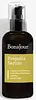
This calming serum is formulated around Propolis Extract and Camellia Sinensis Leaf Extract to calm redness and clear breakouts.
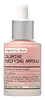
This acne ampoule is formulated around Melaleuca Alternifolia Leaf Water and Niacinamide to clear breakouts and balance excess oil.

What's inside
What's inside
 Key Ingredients
Benefits
Concerns
Ingredients Side-by-side
Propolis Extract
Skin Conditioning




Butylene Glycol
Humectant

Glycerin
Humectant
Water
Skin ConditioningCamellia Sinensis Leaf Extract
Antimicrobial




Salix Alba Bark Extract
Astringent
Saccharomyces Ferment
Skin Conditioning

Cryptomeria Japonica Leaf Extract
HumectantNelumbo Nucifera Leaf Extract
Skin ConditioningPlantago Asiatica Extract
Skin ConditioningDiospyros Kaki Leaf Extract
Skin Protecting
Ulmus Campestris Bark Extract
AstringentLaminaria Digitata Extract
Skin Protecting

Gleditsia Australis Thorn Extract
Skin ConditioningAngelica Dahurica Root Extract
Skin ConditioningCimicifuga Racemosa Root Extract
Antimicrobial
Bletilla Striata Root Extract
Skin ConditioningOryza Sativa Extract
Absorbent
Phaseolus Radiatus Seed Extract
Skin ConditioningTrichosanthes Kirilowii Root Extract
Skin ProtectingBroussonetia Kazinoki Root Extract
Skin ConditioningEugenia Caryophyllus Flower Extract
AstringentAmomum Xanthioides Seed Extract
Skin ConditioningVaccinium Macrocarpon Fruit Extract
AstringentVaccinium Angustifolium Fruit Extract
Skin Protecting
Sodium Carbomer
Emulsion StabilisingPentylene Glycol
Skin Conditioning
1,2-Hexanediol
Skin Conditioning
Caprylyl Glycol
Emollient
Epigallocatechin Gallate
Antioxidant
Propolis Extract, Butylene Glycol, Glycerin, Water, Camellia Sinensis Leaf Extract, Salix Alba Bark Extract, Saccharomyces Ferment, Cryptomeria Japonica Leaf Extract, Nelumbo Nucifera Leaf Extract, Plantago Asiatica Extract, Diospyros Kaki Leaf Extract, Ulmus Campestris Bark Extract, Laminaria Digitata Extract, Gleditsia Australis Thorn Extract, Angelica Dahurica Root Extract, Cimicifuga Racemosa Root Extract, Bletilla Striata Root Extract, Oryza Sativa Extract, Phaseolus Radiatus Seed Extract, Trichosanthes Kirilowii Root Extract, Broussonetia Kazinoki Root Extract, Eugenia Caryophyllus Flower Extract, Amomum Xanthioides Seed Extract, Vaccinium Macrocarpon Fruit Extract, Vaccinium Angustifolium Fruit Extract, Sodium Carbomer, Pentylene Glycol, 1,2-Hexanediol, Caprylyl Glycol, Epigallocatechin Gallate
Melaleuca Alternifolia Leaf Water
Antimicrobial
Dipropylene Glycol
HumectantCalamine
AbsorbentButylene Glycol
Humectant
Glycerin
Humectant
Niacinamide
Smoothing

Hydrolyzed Sclerotium Gum
HumectantHydroxyacetophenone
Antioxidant
Caprylyl Glycol
Emollient
Pentylene Glycol
Skin Conditioning
Sodium Citrate
Buffering1,2-Hexanediol
Skin Conditioning
Adenosine
Skin Conditioning
Sodium Acetate
BufferingDipotassium Glycyrrhizate
Humectant
Myristic Acid
Cleansing
Ingredients Explained
These ingredients are found in both products.
Ingredients higher up in an ingredient list are typically present in a larger amount.
1,2-Hexanediol is a synthetic liquid and another multi-functional powerhouse.
It is a:
- Humectant, drawing moisture into the skin
- Emollient, helping to soften skin
- Solvent, dispersing and stabilizing formulas
- Preservative booster, enhancing the antimicrobial activity of other preservatives
Butylene Glycol (or BG) is used within cosmetic products for a few different reasons:
Overall, Butylene Glycol is a safe and well-rounded ingredient that works well with other ingredients.
Though this ingredient works well with most skin types, some people with sensitive skin may experience a reaction such as allergic rashes, closed comedones, or itchiness.
Learn more about Butylene GlycolCaprylyl Glycol is a humectant, skin conditioner, emollient, and preservative booster derived from either caprylic acid or synthetically created.
Typical use levels vary from 0.3-1% as a preservative booster and go up to 2% to condition skin.
Because it is not a free-fatty acid, this ingredient is fungal acne safe (there's nothing for Malassezia to feed on).
Learn more about Caprylyl GlycolGlycerin (or glycerol) is a compound naturally found in your skin. It's a powerhouse humectant that pulls water into the stratum corneum.
Topically, glycerin does several things at once:
Your skin makes glycerin on its own (mostly from sebaceous oil breakdown) and shuttles it to your outermost layer of skin, or your epidermis, via aquaporin-3.
Aquaporin-3 is a transporter that is essential for normal skin hydration, elasticity, and repair. Interestingly, mice lacking in AQP3 have dry and less elastic skin that can be fully corrected with glycerin.
This ingredient is non-irritating, plays well with almost every ingredient, and works across all skin types. Typical use is anywhere between 3-10% but can go up to 79% in some leave-on products.
Just know very high concentrations (>40%) can feel tacky in low humidity.
Glycerin is the name for this ingredient in American English. British English uses Glycerol/Glycerine.
Learn more about GlycerinPentylene Glycol (1,2-pentanediol) is a multitasking little diol with three main roles in a formula:
Research on alkanediols (the family pentylene glycol belongs to) show they work by disrupting microbial cell membranes. This disruption helps the primary preservative system in a product work more effectively at lower doses.
On the safety side, the Cosmetic Ingredient Review Expert Panel has concluded this ingredient to be safe as used in current cosmetic practices + concentrations.
Typical use levels in a formula run about 1-5%.
Learn more about Pentylene Glycol

