
What's inside
What's inside
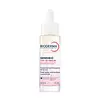 Key Ingredients
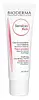
No key ingredients
Benefits
Concerns
Ingredients Side-by-side
Water
Skin ConditioningDicaprylyl Carbonate
EmollientSqualane
Emollient


C15-19 Alkane
SolventSodium Chloride
MaskingGlycerin
Humectant
Triethyl Citrate
Masking
Maltooligosyl Glucoside
Skin ConditioningSodium Citrate
BufferingHydrogenated Starch Hydrolysate
Humectant1,2-Hexanediol
Skin Conditioning
1-Methylhydantoin-2-Imide
Skin ConditioningPentylene Glycol
Skin Conditioning
Bakuchiol
Antimicrobial







Dipotassium Glycyrrhizate
Humectant
Tocopherol
Antioxidant
Helianthus Annuus Seed Oil
Emollient

Mannitol
Humectant
Xylitol
Humectant
Rhamnose
HumectantCitric Acid
Buffering

Trisodium Ethylenediamine Disuccinate
Xanthan Gum
EmulsifyingO-Cymen-5-Ol
Antimicrobial
Natto Gum
Propanediol
Solvent
Polyglyceryl-10 Laurate
Skin Conditioning
Glutamylamidoethyl Indole
Skin ProtectingWater, Dicaprylyl Carbonate, Squalane, C15-19 Alkane, Sodium Chloride, Glycerin, Triethyl Citrate, Maltooligosyl Glucoside, Sodium Citrate, Hydrogenated Starch Hydrolysate, 1,2-Hexanediol, 1-Methylhydantoin-2-Imide, Pentylene Glycol, Bakuchiol, Dipotassium Glycyrrhizate, Tocopherol, Helianthus Annuus Seed Oil, Mannitol, Xylitol, Rhamnose, Citric Acid, Trisodium Ethylenediamine Disuccinate, Xanthan Gum, O-Cymen-5-Ol, Natto Gum, Propanediol, Polyglyceryl-10 Laurate, Glutamylamidoethyl Indole
Water
Skin ConditioningParaffinum Liquidum
Emollient
Glycerin
Humectant
Tridecyl Trimellitate
EmollientGlycol Palmitate
Emulsifying
Caprylic/Capric Triglyceride
Masking
Triceteareth-4 Phosphate
EmulsifyingFructooligosaccharides
Humectant
Mannitol
Humectant
Persea Gratissima Oil Unsaponifiables
Skin Conditioning
Xylitol
Humectant
Glycol Stearate
Emollient
PEG-2 Stearate
Emulsifying
Acrylates/C10-30 Alkyl Acrylate Crosspolymer
Emulsion StabilisingGlycyrrhetinic Acid
Skin Conditioning
Pentylene Glycol
Skin Conditioning
1,2-Hexanediol
Skin Conditioning
Caprylyl Glycol
Emollient
Disodium EDTA
Xanthan Gum
EmulsifyingLaminaria Ochroleuca Extract
Skin Conditioning
Rhamnose
HumectantSodium Hydroxide
BufferingWater, Paraffinum Liquidum, Glycerin, Tridecyl Trimellitate, Glycol Palmitate, Caprylic/Capric Triglyceride, Triceteareth-4 Phosphate, Fructooligosaccharides, Mannitol, Persea Gratissima Oil Unsaponifiables, Xylitol, Glycol Stearate, PEG-2 Stearate, Acrylates/C10-30 Alkyl Acrylate Crosspolymer, Glycyrrhetinic Acid, Pentylene Glycol, 1,2-Hexanediol, Caprylyl Glycol, Disodium EDTA, Xanthan Gum, Laminaria Ochroleuca Extract, Rhamnose, Sodium Hydroxide
Ingredients Explained
These ingredients are found in both products.
Ingredients higher up in an ingredient list are typically present in a larger amount.
1,2-Hexanediol is a synthetic liquid and another multi-functional powerhouse.
It is a:
- Humectant, drawing moisture into the skin
- Emollient, helping to soften skin
- Solvent, dispersing and stabilizing formulas
- Preservative booster, enhancing the antimicrobial activity of other preservatives
Glycerin (or glycerol) is a compound naturally found in your skin. It's a powerhouse humectant that pulls water into the stratum corneum.
Topically, glycerin does several things at once:
Your skin makes glycerin on its own (mostly from sebaceous oil breakdown) and shuttles it to your outermost layer of skin, or your epidermis, via aquaporin-3.
Aquaporin-3 is a transporter that is essential for normal skin hydration, elasticity, and repair. Interestingly, mice lacking in AQP3 have dry and less elastic skin that can be fully corrected with glycerin.
This ingredient is non-irritating, plays well with almost every ingredient, and works across all skin types. Typical use is anywhere between 3-10% but can go up to 79% in some leave-on products.
Just know very high concentrations (>40%) can feel tacky in low humidity.
Glycerin is the name for this ingredient in American English. British English uses Glycerol/Glycerine.
Learn more about GlycerinMannitol is a sugar alcohol. It is a humectant and moisturizes the skin. In vitro (not tested on a living organism), mannitol displays antioxidant properties.
When found in aqueous solutions, mannitol tends to become acidic. This is because it loses a hydrogen ion. This is why mannitol can often be found with pH adjusting ingredients, such as sodium bicarbonate.
Fun fact: Mannitol can be found in foods as a sweetener. It can be naturally found in mushrooms, algae, fruits, and veggies.
Learn more about MannitolPentylene glycol is typically used within a product to thicken it. It also adds a smooth, soft, and moisturizing feel to the product. It is naturally found in plants such as sugar beets.
The hydrophilic trait of Pentylene Glycol makes it a humectant. As a humectant, Pentylene Glycol helps draw moisture from the air to your skin. This can help keep your skin hydrated.
This property also makes Pentylene Glycol a great texture enhancer. It can also help thicken or stabilize a product.
Pentylene Glycol also acts as a mild preservative and helps to keep a product microbe-free.
Some people may experience mild eye and skin irritation from Pentylene Glycol. We always recommend speaking with a professional about using this ingredient in your routine.
Pentylene Glycol has a low molecular weight and is part of the 1,2-glycol family.
Learn more about Pentylene GlycolWe don't have a description for Rhamnose yet.
Water. It's the most common cosmetic ingredient of all. You'll usually see it at the top of ingredient lists, meaning that it makes up the largest part of the product.
So why is it so popular? Water most often acts as a solvent - this means that it helps dissolve other ingredients into the formulation.
You'll also recognize water as that liquid we all need to stay alive. If you see this, drink a glass of water. Remember to stay hydrated!
Learn more about WaterXanthan gum is used as a stabilizer and thickener within cosmetic products. It helps give products a sticky, thick feeling - preventing them from being too runny.
On the technical side of things, xanthan gum is a polysaccharide - a combination consisting of multiple sugar molecules bonded together.
Xanthan gum is a pretty common and great ingredient. It is a natural, non-toxic, non-irritating ingredient that is also commonly used in food products.
Learn more about Xanthan GumXylitol is a humectant and prebiotic. It can help with dry skin.
In studies, xylitol has been shown to improve dry skin. It decreased transepidermal water loss, or when water passes through the skin and evaporates. Xylitol also showed to help improve the biomechanical properties of the skin barrier.
The prebiotic property of xylitol may also help reinforce our skin's natural microbiome. Having a healthy microbiome prevents infection by bad bacteria and helps with hydration.
As a humectant, Xylitol helps draw moisture from both the air and from deeper skin layers. This helps keep skin hydrated.
Xylitol is a sugar alcohol and commonly used as a sugar substitute. It is naturally occurring in plants such as strawberries and pumpkin.
Learn more about Xylitol
