

What's inside
What's inside
 Key Ingredients
Benefits
Concerns
Ingredients Side-by-side
Water
Skin ConditioningGlycerin
Humectant


Squalane
Emollient
Dicaprylyl Ether
Emollient
Aluminum Starch Octenylsuccinate
Absorbent
Sodium Acrylates Copolymer
Panthenol
Skin Conditioning

Lactobacillus Ferment
Skin Conditioning
Trifolium Pratense Flower
Skin ConditioningTocopheryl Acetate
Antioxidant


Tocopherol
Antioxidant
Isopentyldiol
Humectant
Caprylyl Glycol
Emollient
Phenoxyethanol
Preservative
Lecithin
Emollient
Maltodextrin
Absorbent
Parfum
Masking



Pantolactone
Humectant
Citric Acid
Buffering
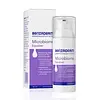
Water, Glycerin, Squalane, Dicaprylyl Ether, Aluminum Starch Octenylsuccinate, Sodium Acrylates Copolymer, Panthenol, Lactobacillus Ferment, Trifolium Pratense Flower, Tocopheryl Acetate, Tocopherol, Isopentyldiol, Caprylyl Glycol, Phenoxyethanol, Lecithin, Maltodextrin, Parfum, Pantolactone, Citric Acid
Water
Skin ConditioningSea Water
HumectantPropylene Glycol
Humectant
Butylene Glycol
Humectant
Ethoxydiglycol
HumectantAmmonium Acryloyldimethyltaurate/Vp Copolymer
Phenoxyethanol
Preservative
Salicylic Acid
Masking




Maltooligosyl Glucoside
Skin ConditioningHydrogenated Starch Hydrolysate
HumectantXanthan Gum
EmulsifyingSodium Hydroxide
BufferingCaprylyl Glycol
Emollient
Chlorphenesin
Antimicrobial
Disodium EDTA
Aloe Barbadensis Leaf Juice
Skin Conditioning
Maltodextrin
Absorbent
Ceramide AP
Skin Conditioning
1,10-Decanediol
Solvent10-Hydroxydecanoic Acid
Skin ConditioningSebacic Acid
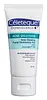
BufferingWater, Sea Water, Propylene Glycol, Butylene Glycol, Ethoxydiglycol, Ammonium Acryloyldimethyltaurate/Vp Copolymer, Phenoxyethanol, Salicylic Acid, Maltooligosyl Glucoside, Hydrogenated Starch Hydrolysate, Xanthan Gum, Sodium Hydroxide, Caprylyl Glycol, Chlorphenesin, Disodium EDTA, Aloe Barbadensis Leaf Juice, Maltodextrin, Ceramide AP, 1,10-Decanediol, 10-Hydroxydecanoic Acid, Sebacic Acid
Reviews
Ingredients Explained
These ingredients are found in both products.
Ingredients higher up in an ingredient list are typically present in a larger amount.
Caprylyl Glycol is a humectant, skin conditioner, emollient, and preservative booster derived from either caprylic acid or synthetically created.
Typical use levels vary from 0.3-1% as a preservative booster and go up to 2% to condition skin.
Because it is not a free-fatty acid, this ingredient is fungal acne safe (there's nothing for Malassezia to feed on).
Learn more about Caprylyl GlycolMaltodextrin is a polysaccharide. It is derived from starch such as rice, corn, wheat, or potato starch.
In food, Maltodextrin is used to improve the texture and thicken a product. Due to its structure, it can help create a gel texture. As an emulsion stabilizer, it helps keep the ingredients in a product together.
As a polysaccharide, Maltodextrin has moisturizing properties. Polysaccharides are a type of carbohydrate. The top layer of skin uses polysaccharides to retain water, keeping the skin hydrated.
Maltodextrin is water soluble and has a sweet taste.
Learn more about MaltodextrinPhenoxyethanol is a preservative that has germicide, antimicrobial, and aromatic properties. Studies show that phenoxyethanol can prevent microbial growth. By itself, it has a scent that is similar to that of a rose.
It's often used in formulations along with Caprylyl Glycol to preserve the shelf life of products.
Water. It's the most common cosmetic ingredient of all. You'll usually see it at the top of ingredient lists, meaning that it makes up the largest part of the product.
So why is it so popular? Water most often acts as a solvent - this means that it helps dissolve other ingredients into the formulation.
You'll also recognize water as that liquid we all need to stay alive. If you see this, drink a glass of water. Remember to stay hydrated!
Learn more about Water

