This oil-based makeup remover is made to dissolve makeup, sunscreen, and daily buildup.
This oil-based makeup remover is made to dissolve makeup, sunscreen, and daily buildup.

What's inside
What's inside
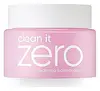 Key Ingredients
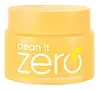
Benefits
Concerns
Ingredients Side-by-side
Ethylhexyl Palmitate
Emollient




Cetyl Ethylhexanoate
EmollientPEG-20 Glyceryl Triisostearate
Emollient
PEG-10 Isostearate
Emulsifying
Synthetic Wax
Abrasive
Onsen-Sui
Phenoxyethanol
Preservative
Butylene Glycol
Humectant

Lithospermum Erythrorhizon Root Extract
Skin ConditioningTocopheryl Acetate
Antioxidant


Parfum
Masking


Ethylhexylglycerin
Skin ConditioningWater
Skin Conditioning1,2-Hexanediol
Skin Conditioning
Bambusa Vulgaris Leaf/Stem Extract
HumectantAspalathus Linearis Extract
Skin ConditioningAngelica Archangelica Root Extract
Masking
Malpighia Glabra Fruit Extract
Skin ConditioningPolydiethyleneglycol Adipate/Ipdi Copolymer
Acrylates/Ammonium Methacrylate Copolymer
Acrylates/Methoxy PEG-15 Methacrylate Copolymer
Ethylhexyl Palmitate, Cetyl Ethylhexanoate, PEG-20 Glyceryl Triisostearate, PEG-10 Isostearate, Synthetic Wax, Onsen-Sui, Phenoxyethanol, Butylene Glycol, Lithospermum Erythrorhizon Root Extract, Tocopheryl Acetate, Parfum, Ethylhexylglycerin, Water, 1,2-Hexanediol, Bambusa Vulgaris Leaf/Stem Extract, Aspalathus Linearis Extract, Angelica Archangelica Root Extract, Malpighia Glabra Fruit Extract, Polydiethyleneglycol Adipate/Ipdi Copolymer, Acrylates/Ammonium Methacrylate Copolymer, Acrylates/Methoxy PEG-15 Methacrylate Copolymer






Reviews
Ingredients Explained
These ingredients are found in both products.
Ingredients higher up in an ingredient list are typically present in a larger amount.
Butylene Glycol (or BG) is used within cosmetic products for a few different reasons:
Overall, Butylene Glycol is a safe and well-rounded ingredient that works well with other ingredients.
Though this ingredient works well with most skin types, some people with sensitive skin may experience a reaction such as allergic rashes, closed comedones, or itchiness.
Learn more about Butylene GlycolEthylhexyl Palmitate, also known as octyl palmitate, is created from 2-ethylhexyl alcohol and palmitic acid.
In cosmetics, it plays many roles:
One thing worth noting: a controlled study found this ingredient applied under occlusion to acne-prone subjects increased microcomedones. Just keep in mind this was under occlusive conditions and don't reflect how most products are used day-to-day.
For most people, this is a well-tolerated and lightweight ingredient.
This ingredient may not be fungal acne safe because it is an ester of palmitic acid, a C16 fatty acid that falls within the C11-24 range that Malassezia can metabolize.
You'll see this one rated 4 comedogenic all over the internet. That number isn't from a single study, and the actual research is more interesting.
The original rating comes from 1980s rabbit ear tests (which are a shaky basis for anything). But Ethylhexyl Palmitate is one of the few ingredients with real human data behind it. A 2021 controlled trial found this ingredient increased microcomedones by an average of 365% over four weeks.
Just know that test used the pure ingredient under an occlusive pad on back skin; most products use it at much lower levels alongside other ingredients and plenty of people use those with no issue.
Learn more about Ethylhexyl PalmitatePEG-10 Isostearate isn't fungal acne safe.
PEG-20 Glyceryl Triisostearate is a synthetic, oil-loving helper ingredient that does two jobs:
This ingredient is made by joining three building blocks: PEG, Isostearic Acid and glycerin. The PEG gives it the oil-and-water blending power.
This ingredient has been found safe for use in cosmetics and broader PEG family testing shows minimal irritation/sensitization. The molecule's large size also means it isn't expected to penetrate skin to any meaningful degree.
Fungal acne note: This ingredient may not be fungal acne safe due to isostearic acid (C18). Isostearic acid falls into the C11-24 range that Malassezia can feed on.
Learn more about PEG-20 Glyceryl TriisostearateSynthetic Wax is a manufactured hydrocarbon wax. In formulas, it works as an occlusive emollient that helps reduce water loss and improves the spreadability of products.
Research comparing synthetic wax to traditional mineral-derived products found that formulas containing it perform as well for skin hydration.
It is considered non-comedogenic and vegan-friendly.
This ingredient has a well-established safety record by the CIR Expert Panel for Cosmetic Ingredient Safety.
Synthetic Waxes are straight/branched-chain hydrocarbons with no ester bond or fatty acids. That means there is nothing for the Malassezia yeast to feed on.
Learn more about Synthetic Wax

