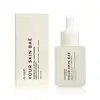
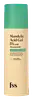
Avoskin Your Skin Bae Mandelic Acid Versus For Skin’s Sake (FSS) Mandelic Acid Gel 5% With Niacinamide
This smoothing serum is formulated around Mandelic Acid to refine skin texture and brighten dull-looking skin.
This smoothing exfoliator is formulated around Mandelic Acid and Niacinamide to refine skin texture and fade the look of dark spots.

What's inside
What's inside
 Key Ingredients
Benefits
Concerns
Ingredients Side-by-side
Water
Skin ConditioningPropylene Glycol
Humectant


Mandelic Acid 5%
Antimicrobial









Glycerin
Humectant
Xanthan Gum
EmulsifyingPhenoxyethanol
Preservative
Sodium Hydroxide
BufferingPanthenol 0.5%
Skin Conditioning

Chlorphenesin
Antimicrobial
Sodium Bisulfite
Antioxidant
Tetrasodium EDTA
ChelatingPerilla Ocymoides Seed Extract
Antioxidant
Biosaccharide Gum-1
Humectant
Benzaldehyde
Masking


Benzoic Acid
Masking
Potassium Sorbate
Preservative
Sodium Benzoate
Masking
Water
Skin ConditioningMandelic Acid
Antimicrobial
Propylene Glycol
Humectant
Glycerin
Humectant
Niacinamide
Smoothing
Biosaccharide Gum-1
Humectant
Polyacrylate Crosspolymer-11
Emulsion StabilisingPhenoxyethanol
Preservative
Saccharide Isomerate
Humectant
Hydroxyethylcellulose
Emulsion StabilisingAllantoin
Skin Conditioning
Bis-PEG-18 Methyl Ether Dimethyl Silane
EmollientPanthenol
Skin Conditioning
Triethylene Glycol
Masking
Sodium Hyaluronate
Humectant
Citric Acid
Buffering
Sodium Citrate
BufferingWater, Mandelic Acid, Propylene Glycol, Glycerin, Niacinamide, Biosaccharide Gum-1, Polyacrylate Crosspolymer-11, Phenoxyethanol, Saccharide Isomerate, Hydroxyethylcellulose, Allantoin, Bis-PEG-18 Methyl Ether Dimethyl Silane, Panthenol, Triethylene Glycol, Sodium Hyaluronate, Citric Acid, Sodium Citrate
Ingredients Explained
These ingredients are found in both products.
Ingredients higher up in an ingredient list are typically present in a larger amount.
Biosaccharide Gum-1 is a sugar created by fermenting sorbitol (which usually comes from potato starch!). It is known for its soothing and moisturizing properties.
Manufacturer tests show this ingredient helped reduce irritation from lactic acid by almost half and kept skin hydrated long-term as a humectant
Beyond hydration, Biosaccharide Gum-1 gives formulas a silky, non-sticky feel.
This ingredient is gentle, versatile, and suitable for all skin types.
Fun fact: Similar sugars can be found naturally in fruits like apples and pears.
Learn more about Biosaccharide Gum-1Glycerin (or glycerol) is a compound naturally found in your skin. It's a powerhouse humectant that pulls water into the stratum corneum.
Topically, glycerin does several things at once:
Your skin makes glycerin on its own (mostly from sebaceous oil breakdown) and shuttles it to your outermost layer of skin, or your epidermis, via aquaporin-3.
Aquaporin-3 is a transporter that is essential for normal skin hydration, elasticity, and repair. Interestingly, mice lacking in AQP3 have dry and less elastic skin that can be fully corrected with glycerin.
This ingredient is non-irritating, plays well with almost every ingredient, and works across all skin types. Typical use is anywhere between 3-10% but can go up to 79% in some leave-on products.
Just know very high concentrations (>40%) can feel tacky in low humidity.
Glycerin is the name for this ingredient in American English. British English uses Glycerol/Glycerine.
Learn more about GlycerinMandelic Acid is an alpha hydroxy acid (AHA).
Like other AHAs, it helps exfoliate the surface of the skin by breaking down the bonds that hold dead skin cells together. This helps reveal smoother and brighter skin underneath.
Mandelic acid helps with:
Due to it having a larger molecular size than glycolic acid, mandelic acid is able to penetrate the skin more slowly and evenly. This makes it gentler and less irritating, making it a great option for sensitive or beginner skin.
Despite being milder, mandelic acid is still an effective exfoliant that improves skin texture and tone over time.
What makes mandelic acid stand out from other AHAs? It has antibacterial and antioxidant properties.
These traits make it a great option for acne-prone or problem skin by reducing active breakouts and fading post-acne marks. Studies show that mandelic acid (especially when combined with salicylic acid) can significantly reduce pimples and hyperpigmentation while causing fewer side effects than stronger acids.
Mandelic acid is effective in concentrations of 5% and up with an ideal pH range of 3-4 for at-home use.
Like other AHAs, it’s important to wear sunscreen daily to protect your newly exfoliated skin.
However, unlike glycolic acid, mandelic acid is light-sensitive. Be sure your mandelic acid is packaged in opaque containers to ensure it stays stable and effective.
In short, mandelic acid is a gentle yet powerful AHA that exfoliates, brightens, and helps clarify skin while keeping irritation low. Its antibacterial action makes it especially beneficial for those with acne-prone, sensitive, or uneven skin, offering smoother, clearer, and more even-toned results over time.
Read more about some other popular AHA's here:
Learn more about Mandelic AcidPanthenol is a common ingredient that helps hydrate and soothe the skin. It is found naturally in our skin and hair.
There are two forms of panthenol: D and L.
D-panthenol is also known as dexpanthenol. Most cosmetics use dexpanthenol or a mixture of D and L-panthenol.
Panthenol is famous due to its ability to go deeper into the skin's layers. Using this ingredient has numerous pros (and no cons):
Like hyaluronic acid, panthenol is a humectant. Humectants are able to bind and hold large amounts of water to keep skin hydrated.
This ingredient works well for wound healing. It works by increasing tissue in the wound and helps close open wounds.
Once oxidized, panthenol converts to pantothenic acid. Panthothenic acid is found in all living cells.
This ingredient is also referred to as pro-vitamin B5.
Learn more about PanthenolPhenoxyethanol is one of the most widely used preservatives in skincare (and for good reason!).
It has a large spectrum of antimicrobial activity and especially effective bacteria, yeast, and mold while only having a weak effect on your skin's natural microbiome.
On a cellular level, it disrupts the cell membranes of microbes by poking holes that make the cell leak. This shuts down the chemical reactions the microbe needs to make energy so it can no longer survive.
Another perk of this ingredient is that it stays functional across a wide pH range (3-10).
You'll often see it paired with boosters like Ethylhexylglycerin; one study showed that a 1:9 ratio of Ethylhexylglycerin to Phenoxyethanol damages bacterial membranes as effectively as doubling the Phenoxyethanol concentration on its own.
Typical use concentrations range from 0.3-1% depending on the formula, and this ingredient is capped at 1% int the EU.
Safety-wise, the fear mongering does not hold up to the evidence. The EU's Scientific Committee on Consumer Safety and FDA consider it safe as a preservative at up to 1%, including for children of all ages.
Adverse systemic effects only showed up in animal studies at exposures roughly 200x higher than what people get from cosmetics. And despite its very widespread use, this ingredient is a rare sensitizer and allergic reactions are uncommon.
Learn more about PhenoxyethanolPropylene Glycol is a synthetic, colorless, odorless liquid that has been a staple in cosmetics for decades. It is a skin conditioning agent, humectant, and solvent.
As a humectant, it draw water to the skin to reduce flaking and restore suppleness. It's also a solvent that helps dissolve other actives and keeps formulas stable across temperature changes.
The CIR Expert Panel has confirmed this ingredient to be nontoxic and clinical studies show no sensitization at cosmetic use concentrations.
True allergic reactions are quite rare: a 15-year retrospective study of 6,751 patients found only 0.31% had a positive reaction (and less than half were considered clinically relevant).
It seemed that when sensitization does occur, it's most commonly linked to topical medication (like corticosteroids) and not cosmetics. Allergic contact dermatitis also appears largely limited to individuals with underlying skin conditions.
Overall, propylene glycol is a well-studied ingredient that most people can tolerate without issue.
Learn more about Propylene GlycolWater. It's the most common cosmetic ingredient of all. You'll usually see it at the top of ingredient lists, meaning that it makes up the largest part of the product.
So why is it so popular? Water most often acts as a solvent - this means that it helps dissolve other ingredients into the formulation.
You'll also recognize water as that liquid we all need to stay alive. If you see this, drink a glass of water. Remember to stay hydrated!
Learn more about Water

