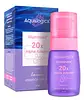
This brightening serum is formulated around Alpha-Arbutin and Glycolic Acid to brighten dull-looking skin and fade the look of dark spots.
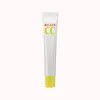
This brightening essence is formulated around Ascorbic Acid and Dipotassium Glycyrrhizate to fade the look of dark spots and brighten dull-looking skin.


What's inside
What's inside
 Key Ingredients
Benefits
Concerns
Ingredients Side-by-side
Water
Skin ConditioningPropanediol
Solvent

Betaine
Humectant
Glycereth-26
Humectant
Alpha-Arbutin
Antioxidant




Sodium Levulinate
Skin ConditioningPotassium Sorbate
Preservative
Ethoxydiglycol
HumectantGlycolic Acid
Buffering








Sodium Hyaluronate Crosspolymer
Humectant
Sodium Hyaluronate
Humectant
Sodium Acetylated Hyaluronate
Humectant
Hydrolyzed Sodium Hyaluronate
Skin Conditioning
Pentylene Glycol
Skin Conditioning
Ethylhexylglycerin
Skin ConditioningXylitol
Humectant
Glyceryl Glucoside
Humectant
Fragaria Vesca Fruit Extract
AstringentAllantoin
Skin Conditioning
Butylene Glycol
Humectant
Sophora Flavescens Root Extract
Antioxidant
Glycyrrhiza Inflata Root Extract
Skin Conditioning
Scutellaria Baicalensis Root Extract
Astringent
Sodium Polyacryloyldimethyl Taurate
Emulsion StabilisingSodium Polyacrylate
Absorbent
Xanthan Gum
EmulsifyingDisodium EDTA
ChelatingWater, Propanediol, Betaine, Glycereth-26, Alpha-Arbutin, Sodium Levulinate, Potassium Sorbate, Ethoxydiglycol, Glycolic Acid, Sodium Hyaluronate Crosspolymer, Sodium Hyaluronate, Sodium Acetylated Hyaluronate, Hydrolyzed Sodium Hyaluronate, Pentylene Glycol, Ethylhexylglycerin, Xylitol, Glyceryl Glucoside, Fragaria Vesca Fruit Extract, Allantoin, Butylene Glycol, Sophora Flavescens Root Extract, Glycyrrhiza Inflata Root Extract, Scutellaria Baicalensis Root Extract, Sodium Polyacryloyldimethyl Taurate, Sodium Polyacrylate, Xanthan Gum, Disodium EDTA






Reviews
Ingredients Explained
These ingredients are found in both products.
Ingredients higher up in an ingredient list are typically present in a larger amount.
Butylene Glycol (or BG) is used within cosmetic products for a few different reasons:
Overall, Butylene Glycol is a safe and well-rounded ingredient that works well with other ingredients.
Though this ingredient works well with most skin types, some people with sensitive skin may experience a reaction such as allergic rashes, closed comedones, or itchiness.
Learn more about Butylene GlycolEthoxydiglycol (aka Diethylene Glycol Monoethyl Ether) is one of the cosmetic world's quiet problem solvers.
In a formula, it is a solvent that dissolves tricky ingredients that don't want to mix in and helps spread ingredients evenly across your skin without leaving a greasy or sticky feeling
This makes it great for hard-to-dissolve actives like vitamin C, benzoyl peroxide, and self-tanner DHA.
It also has mild humectant and penetration enhancer abilities so it can help some actives absorb a little deeper.
The penetration boost is backed by lab research: studies using human skin samples found it improved how well an active dissolves into the upper layer of skin rather than tearing down your skin barrier. Reviews of its mechanism also describe it interacting gently with the lipids and water in your outermost layer of skin.
Just know this penetration-enhancing effect is not universal. It helps a lot in some formulas and did very little in others (so the benefit really depends on the specific product).
Safety-wise, the evidence is reassuring. The Cosmetic Ingredient Review Expert Panel reviewed it and concluded it's safe for use in cosmetics and recognized it as non-irritating, non-sensitizing, and non-comedogenic in skincare.
Typical leave-on skincare usage lands around 1-10%. The EU has sets caps of 2.6% in non-spray products, 10% in rinse-offs, 7% in oxidative hair dye, and 5% in non-oxidative hair dye.
Learn more about Ethoxydiglycol

