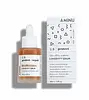
This anti-aging serum is formulated around Coffea Arabica Seed Extract and Caffeine to soften the look of wrinkles and calm redness.
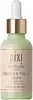
This anti-aging serum is formulated around Retinol and Acetyl Heptapeptide-4 to soften the look of wrinkles and refine skin texture.


What's inside
What's inside
 Key Ingredients
Benefits
Concerns
Ingredients Side-by-side
Zingiber Officinale Water
MaskingCoffea Arabica Seed Extract
Masking

Rutinyl Succinate
Antioxidant
Siloxanetriol Alginate
Skin ConditioningCaffeine
Skin Conditioning
Butylene Glycol
Humectant

Decarboxy Carnosine Hcl
Skin ConditioningAscorbyl Methylsilanol Pectinate
Antioxidant

Methylsilanol Mannuronate
Skin ConditioningSilanetriol
Hyaluronic Acid
Humectant

Methylpropanediol
SolventNiacinamide
Smoothing






Caprylyl Glycol
Emollient
Glycerin
Humectant
Glycyrrhiza Glabra Root Extract
Bleaching
Ferula Assa Foetida Gum Extract
Perfuming
Picea Mariana Leaf Oil
Masking


Rosa Rugosa Flower Extract
Skin ConditioningMorus Alba Leaf Extract
Skin ConditioningVitis Vinifera Seed Extract
Antimicrobial
Phenylpropanol
Masking
Arctostaphylos Uva-Ursi Leaf Extract
Skin Conditioning
Sodium Benzoate
Masking
Potassium Sorbate
Preservative
Trisodium Ethylenediamine Disuccinate
ChelatingHydroxypropyl Starch Phosphate
Xanthan Gum
EmulsifyingZingiber Officinale Water, Coffea Arabica Seed Extract, Rutinyl Succinate, Siloxanetriol Alginate, Caffeine, Butylene Glycol, Decarboxy Carnosine Hcl, Ascorbyl Methylsilanol Pectinate, Methylsilanol Mannuronate, Silanetriol, Hyaluronic Acid, Methylpropanediol, Niacinamide, Caprylyl Glycol, Glycerin, Glycyrrhiza Glabra Root Extract, Ferula Assa Foetida Gum Extract, Picea Mariana Leaf Oil, Rosa Rugosa Flower Extract, Morus Alba Leaf Extract, Vitis Vinifera Seed Extract, Phenylpropanol, Arctostaphylos Uva-Ursi Leaf Extract, Sodium Benzoate, Potassium Sorbate, Trisodium Ethylenediamine Disuccinate, Hydroxypropyl Starch Phosphate, Xanthan Gum
Water
Skin ConditioningGlycerin
Humectant
Acacia Seyal Gum Extract
HumectantRetinol
Skin Conditioning

Methyl Methacrylate/Glycol Dimethacrylate Crosspolymer
Acetyl Heptapeptide-4
Humectant
Niacinamide
Smoothing
Rosmarinus Officinalis Extract
AntimicrobialAnthemis Nobilis Flower Extract
Masking
Ascorbic Acid
Antioxidant
Tocopheryl Acetate
Antioxidant
Citric Acid
Buffering
Carbomer
Emulsion StabilisingPotassium Sorbate
Preservative
Hydroxyethylcellulose
Emulsion StabilisingCaprylyl Glycol
Emollient
Disodium EDTA
ChelatingPropyl Gallate
Antioxidant
BHT
Antioxidant
Water, Glycerin, Acacia Seyal Gum Extract, Retinol, Methyl Methacrylate/Glycol Dimethacrylate Crosspolymer, Acetyl Heptapeptide-4, Niacinamide, Rosmarinus Officinalis Extract, Anthemis Nobilis Flower Extract, Ascorbic Acid, Tocopheryl Acetate, Citric Acid, Carbomer, Potassium Sorbate, Hydroxyethylcellulose, Caprylyl Glycol, Disodium EDTA, Propyl Gallate, BHT
Ingredients Explained
These ingredients are found in both products.
Ingredients higher up in an ingredient list are typically present in a larger amount.
Caprylyl Glycol is a humectant, skin conditioner, emollient, and preservative booster derived from either caprylic acid or synthetically created.
Typical use levels vary from 0.3-1% as a preservative booster and go up to 2% to condition skin.
Because it is not a free-fatty acid, this ingredient is fungal acne safe (there's nothing for Malassezia to feed on).
Learn more about Caprylyl GlycolGlycerin (or glycerol) is a compound naturally found in your skin. It's a powerhouse humectant that pulls water into the stratum corneum.
Topically, glycerin does several things at once:
Your skin makes glycerin on its own (mostly from sebaceous oil breakdown) and shuttles it to your outermost layer of skin, or your epidermis, via aquaporin-3.
Aquaporin-3 is a transporter that is essential for normal skin hydration, elasticity, and repair. Interestingly, mice lacking in AQP3 have dry and less elastic skin that can be fully corrected with glycerin.
This ingredient is non-irritating, plays well with almost every ingredient, and works across all skin types. Typical use is anywhere between 3-10% but can go up to 79% in some leave-on products.
Just know very high concentrations (>40%) can feel tacky in low humidity.
Glycerin is the name for this ingredient in American English. British English uses Glycerol/Glycerine.
Learn more about GlycerinNiacinamide is a multitasking form of vitamin B3 that strengthens the skin barrier, reduces pores and dark spots, regulates oil, and improves signs of aging.
And the best part? It's gentle and well-tolerated by most skin types, including sensitive and reactive skin.
You might have heard of "niacin flush", or the reddening of skin that causes itchiness. Niacinamide has not been found to cause this.
In very rare cases, some individuals may not be able to tolerate niacinamide at all or experience an allergic reaction to it.
If you are experiencing flaking, irritation, and dryness with this ingredient, be sure to double check all your products as this ingredient can be found in all categories of skincare.
When incorporating niacinamide into your routine, look out for concentration amounts. Typically, 5% niacinamide provides benefits such as fading dark spots. However, if you have sensitive skin, it is better to begin with a smaller concentration.
When you apply niacinamide to your skin, your body converts it into nicotinamide adenine dinucleotide (NAD). NAD is an essential coenzyme that is already found in your cells as "fuel" and powers countless biological processes.
In your skin, NAD helps repair cell damage, produce new healthy cells, support collagen production, strengthen the skin barrier, and fight environmental stressors (like UV and pollution).
Our natural NAD levels start to decline with age, leading to slower skin repair, visible aging, and a weaker skin barrier. By providing your skin niacinamide, you're recharging your skin's NAD levels. This leads to stronger, healthier, and younger looking skin.
Another name for vitamin B3 is nicotinamide. This vitamin is water-soluble and our bodies don't store it. We obtain Vitamin B3 from either food or skincare. Meat, fish, wheat, yeast, and leafy greens contain vitamin B3.
The type of niacinamide used in skincare is synthetically created.
Learn more about NiacinamidePotassium Sorbate is a preservative used to prevent yeast and mold in products. It is commonly found in both cosmetic and food products.
This ingredient comes from potassium salt derived from sorbic acid. Sorbic acid is a natural antibiotic and effective against fungus.
Both potassium sorbate and sorbic acid can be found in baked goods, cheeses, dried meats, dried fruit, ice cream, pickles, wine, yogurt, and more.
You'll often find this ingredient used with other preservatives.
Learn more about Potassium Sorbate


