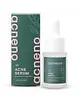
This acne serum is formulated around Niacinamide and Potassium Azeloyl Diglycinate to clear breakouts and calm redness.
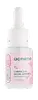
This brightening serum is formulated around Niacinamide and Potassium Azeloyl Diglycinate to fade the look of dark spots and brighten dull-looking skin.

What's inside
What's inside
 Key Ingredients
Benefits
Concerns
Ingredients Side-by-side
Water
Skin ConditioningNiacinamide
Smoothing











Methyl Gluceth-20
Humectant
Potassium Azeloyl Diglycinate
Skin Conditioning
Glycerin
Humectant
Phenoxyethanol
Preservative
Dipotassium Glycyrrhizate
Humectant
Ectoin
Skin Conditioning
PPG-1-PEG-9 Lauryl Glycol Ether
EmulsifyingCellulose Gum
Emulsion StabilisingChondrus Crispus Powder
Abrasive


Nelumbo Nucifera Leaf Extract
Skin ConditioningChlorphenesin
Antimicrobial
Ceratonia Siliqua Gum
EmollientSucrose
Humectant
Angelica Gigas Extract
Skin ConditioningCamellia Sinensis Leaf Extract
Antimicrobial
Psidium Guajava Fruit Extract
AstringentButylene Glycol
Humectant
Disodium EDTA
Sodium Metabisulfite
Antioxidant
Ethylhexylglycerin
Skin ConditioningCystoseira Tamariscifolia Extract
Skin Conditioning
Aminomethyl Propanol
BufferingWater, Niacinamide, Methyl Gluceth-20, Potassium Azeloyl Diglycinate, Glycerin, Phenoxyethanol, Dipotassium Glycyrrhizate, Ectoin, PPG-1-PEG-9 Lauryl Glycol Ether, Cellulose Gum, Chondrus Crispus Powder, Nelumbo Nucifera Leaf Extract, Chlorphenesin, Ceratonia Siliqua Gum, Sucrose, Angelica Gigas Extract, Camellia Sinensis Leaf Extract, Psidium Guajava Fruit Extract, Butylene Glycol, Disodium EDTA, Sodium Metabisulfite, Ethylhexylglycerin, Cystoseira Tamariscifolia Extract, Aminomethyl Propanol
Water
Skin ConditioningNiacinamide
Smoothing
Propanediol
Solvent
Potassium Azeloyl Diglycinate
Skin Conditioning
Cellulose Gum
Emulsion StabilisingButylene Glycol
Humectant
Glycerin
Humectant
Phenoxyethanol
Preservative
Dipotassium Glycyrrhizate
Humectant
Ectoin
Skin Conditioning
PPG-1-PEG-9 Lauryl Glycol Ether
EmulsifyingChlorphenesin
Antimicrobial
Algin
MaskingDisodium EDTA
Sodium Metabisulfite
Antioxidant
Ethylhexylglycerin
Skin ConditioningGlycyrrhiza Glabra Root Extract
Bleaching
Cystoseira Tamariscifolia Extract
Skin Conditioning
Aminomethyl Propanol
BufferingWater, Niacinamide, Propanediol, Potassium Azeloyl Diglycinate, Cellulose Gum, Butylene Glycol, Glycerin, Phenoxyethanol, Dipotassium Glycyrrhizate, Ectoin, PPG-1-PEG-9 Lauryl Glycol Ether, Chlorphenesin, Algin, Disodium EDTA, Sodium Metabisulfite, Ethylhexylglycerin, Glycyrrhiza Glabra Root Extract, Cystoseira Tamariscifolia Extract, Aminomethyl Propanol
Reviews
Ingredients Explained
These ingredients are found in both products.
Ingredients higher up in an ingredient list are typically present in a larger amount.
Aminomethyl Propanol is used to adjust the pH of products. It is also used as a base to create other organic compounds. Having a balanced pH is important for protecting your skin.
Aminomethyl propanol is safe to use in cosmetics up to 1%. It is soluble in water.
Butylene Glycol (or BG) is used within cosmetic products for a few different reasons:
Overall, Butylene Glycol is a safe and well-rounded ingredient that works well with other ingredients.
Though this ingredient works well with most skin types, some people with sensitive skin may experience a reaction such as allergic rashes, closed comedones, or itchiness.
Learn more about Butylene GlycolCellulose Gum is a water-soluble polymer that comes from cellulose. It is used to change the texture of a product and to help stabilize emulsions.
As an emulsifier, cellulose gum specifically thicken the texture of water-based products.
This ingredient is considered hypoallergenic and non-toxic. Cellulose Gum can be found in cosmetics, food, and other household goods such as paper products.
Learn more about Cellulose GumChlorphenesin is a synthetic preservative. It helps protect a product against bacteria in order to extend shelf life. In most cases, Chlorphenesin is paired with other preservatives such as phenoxyethanol and caprylyl glycol.
Chlorphenesin is a biocide. This means it is able to help fight the microorganisms on our skin. It is also able to fight odor-releasing bacteria.
Chlorphenesin is soluble in both water and glycerin.
Studies show Chlorphenesin is easily absorbed by our skin. You should speak with a skincare professional if you have concerns about using Chlorphenesin.
Learn more about ChlorphenesinCystoseira Tamariscifolia Extract can be bad for acne prone skin.
Dipotassium Glycyrrhizate comes from licorice root.
Extracts of licorice have demonstrated to have antibacterial, anti‐inflammatory, antiviral, antioxidant properties.
One component, glabridin, has extra potent antioxidant and soothing properties. It has also been found to block pigmentation from UVB rays in guinea pigs.
Licorice Root also contains a flavonoid. Flavonoids are a natural substance from in plants. Flavonoids also have antioxidant properties.
Another component, glycyrrhizin, has been found to have anti-inflammatory and antimicrobial benefits. This may make licorice root extract effective at treating acne. However, more research is needed to support this.
Liquiritin is one of the flavone compounds found in licorice. It has been found to help lighten skin by preventing tyrosinase from reacting with tyrosine. When the two react, protein is converted to melanin. Melanin is the substance in your body that gives your features pigmentation.
Licorice root is native to Southern Europe and Asia. It has been used in traditional Chinese medicine to help with respiratory issues.
Learn more about Dipotassium GlycyrrhizateDisodium EDTA is a chelating agent. It grabs onto and deactivates metal ions that sneak into your products from water, packaging, or air.
This ingredient mainly works behind the scenes and helps with:
On top of that, this ingredient can counteract the effects of hard water by binding to the minerals in it.
One thing worth knowing is that Disodium EDTA has been shown to be a mild penetration enhancer. It can help other ingredients absorb into skin more effectively which can be a double-edged sword (great for actives, but can also make the active too strong if you have sensitive skin).
Clinical patch testing showed no significant skin irritation at typical use concentrations and minimal dermal absorption.
You'll most likely see this ingredient near the end of an ingredient list. It's typically found in concentrations less than 1%.
Learn more about Disodium EDTAEctoin is a compound found naturally in some species of bacteria. It can be synthetically created for skincare use.
This ingredient is an osmolyte; Osmolytes help organisms survive osmotic shock (it protects them from extreme conditions). It does this by influencing the properties of biological fluids within cells.
When applied to the skin, ectoin helps bind water molecules to protect our skin. The water forms a sort of armor for the parts of our skin cells, enzymes, proteins, and more.
Besides this, ectoin has many uses in skincare:
A study from 2004 found ectoin to counteract the damage from UV-A exposure at different cell levels. It has also been shown to protect skin against both UV-A, UV-B rays, infrared light, and visible light.
Studies show ectoin to have dual-action pollution protection: first, it protects our skin from further pollution damage. Second, it helps repair damage from pollution.
In fact, ectoin has been shown to help with:
Fun fact: In the EU, ectoin is used in inhalation medication as an anti-pollution ingredient.
Ectoin is a highly stable ingredient. It has a wide pH range of 1-9. Light, oxygen, and temperature do not affect this ingredient.
The chemical name for this ingredient is Tetrahydromethylpyrimidine Carboxylic Acid.
Learn more about EctoinEthylhexylglycerin is created from glycerin. It is a multitasker ingredient that:
The CIR Expert Panel found minimal skin absorption or sensitization of any kind in a safety assessment. Though this ingredient is considered well-tolerated, a small number of cases of allergic dermatitis have been published since 2002. Just be sure to patch test if you are unsure.
Industry-reported use ranges from 8% in rinse-off products and 2% in leave-on formulations.
Learn more about EthylhexylglycerinGlycerin (or glycerol) is a compound naturally found in your skin. It's a powerhouse humectant that pulls water into the stratum corneum.
Topically, glycerin does several things at once:
Your skin makes glycerin on its own (mostly from sebaceous oil breakdown) and shuttles it to your outermost layer of skin, or your epidermis, via aquaporin-3.
Aquaporin-3 is a transporter that is essential for normal skin hydration, elasticity, and repair. Interestingly, mice lacking in AQP3 have dry and less elastic skin that can be fully corrected with glycerin.
This ingredient is non-irritating, plays well with almost every ingredient, and works across all skin types. Typical use is anywhere between 3-10% but can go up to 79% in some leave-on products.
Just know very high concentrations (>40%) can feel tacky in low humidity.
Glycerin is the name for this ingredient in American English. British English uses Glycerol/Glycerine.
Learn more about GlycerinNiacinamide is a multitasking form of vitamin B3 that strengthens the skin barrier, reduces pores and dark spots, regulates oil, and improves signs of aging.
And the best part? It's gentle and well-tolerated by most skin types, including sensitive and reactive skin.
You might have heard of "niacin flush", or the reddening of skin that causes itchiness. Niacinamide has not been found to cause this.
In very rare cases, some individuals may not be able to tolerate niacinamide at all or experience an allergic reaction to it.
If you are experiencing flaking, irritation, and dryness with this ingredient, be sure to double check all your products as this ingredient can be found in all categories of skincare.
When incorporating niacinamide into your routine, look out for concentration amounts. Typically, 5% niacinamide provides benefits such as fading dark spots. However, if you have sensitive skin, it is better to begin with a smaller concentration.
When you apply niacinamide to your skin, your body converts it into nicotinamide adenine dinucleotide (NAD). NAD is an essential coenzyme that is already found in your cells as "fuel" and powers countless biological processes.
In your skin, NAD helps repair cell damage, produce new healthy cells, support collagen production, strengthen the skin barrier, and fight environmental stressors (like UV and pollution).
Our natural NAD levels start to decline with age, leading to slower skin repair, visible aging, and a weaker skin barrier. By providing your skin niacinamide, you're recharging your skin's NAD levels. This leads to stronger, healthier, and younger looking skin.
Another name for vitamin B3 is nicotinamide. This vitamin is water-soluble and our bodies don't store it. We obtain Vitamin B3 from either food or skincare. Meat, fish, wheat, yeast, and leafy greens contain vitamin B3.
The type of niacinamide used in skincare is synthetically created.
Learn more about NiacinamidePhenoxyethanol is one of the most widely used preservatives in skincare (and for good reason!).
It has a large spectrum of antimicrobial activity and especially effective bacteria, yeast, and mold while only having a weak effect on your skin's natural microbiome.
On a cellular level, it disrupts the cell membranes of microbes by poking holes that make the cell leak. This shuts down the chemical reactions the microbe needs to make energy so it can no longer survive.
Another perk of this ingredient is that it stays functional across a wide pH range (3-10).
You'll often see it paired with boosters like Ethylhexylglycerin; one study showed that a 1:9 ratio of Ethylhexylglycerin to Phenoxyethanol damages bacterial membranes as effectively as doubling the Phenoxyethanol concentration on its own.
Typical use concentrations range from 0.3-1% depending on the formula, and this ingredient is capped at 1% int the EU.
Safety-wise, the fear mongering does not hold up to the evidence. The EU's Scientific Committee on Consumer Safety and FDA consider it safe as a preservative at up to 1%, including for children of all ages.
Adverse systemic effects only showed up in animal studies at exposures roughly 200x higher than what people get from cosmetics. And despite its very widespread use, this ingredient is a rare sensitizer and allergic reactions are uncommon.
Learn more about PhenoxyethanolPotassium Azeloyl Diglycinate (PAD) comes from the condensation of azelaic acid mixed with glycine.
This ingredient has similar properties to azelaic acid; it can help reduce sebum production and soothe skin. PAD also inhibits tyrosinase activity to help brighten skin. Tyrosinase is an enzyme that controls melanin production.
A study from 2023 found 5% PAD combined with nicotinamide (a form of niacin) effectively reduced melanin production after 6 weeks.
Several studies from the 2010's also show PAD to be effective in alleviating symptoms of Rosacea.
Though this ingredient is considered a gentle active, higher amounts may result in irritation.
Unlike azelaic acid, this ingredient is water-soluble. This property makes it easier to formulate into skincare products.
Learn more about Potassium Azeloyl DiglycinateWe don't have a description for PPG-1-PEG-9 Lauryl Glycol Ether yet.
Sodium metabisulfite is also known as Sodium Pyrosulfite. It is a preservative, antioxidant, and disinfectant.
As a preservative, it helps stabilize cosmetic formulas without affecting their color or scent.
Water. It's the most common cosmetic ingredient of all. You'll usually see it at the top of ingredient lists, meaning that it makes up the largest part of the product.
So why is it so popular? Water most often acts as a solvent - this means that it helps dissolve other ingredients into the formulation.
You'll also recognize water as that liquid we all need to stay alive. If you see this, drink a glass of water. Remember to stay hydrated!
Learn more about Water

