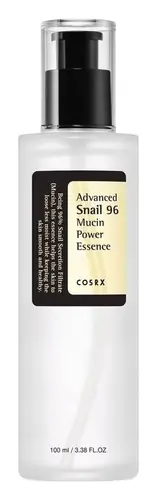
This acne moisturizer is formulated around Salicylic Acid to clear breakouts and refine skin texture.


What's inside
What's inside
 Key Ingredients
Benefits
Concerns
Ingredients Side-by-side



Water
Skin ConditioningDi-C12-13 Alkyl Malate
EmollientPropanediol
Solvent

Propylheptyl Caprylate
EmollientGlycerin
Humectant
Salicylic Acid
Masking










Sodium Polyacryloyldimethyl Taurate
Emulsion StabilisingArachidyl Alcohol
Emollient
Dimethicone
Emollient
Cetearyl Alcohol
Emollient



Behenyl Alcohol
Emollient
Coco-Glucoside
Cleansing
Arachidyl Glucoside
EmulsifyingSodium Hydroxide
BufferingSodium Citrate
BufferingChondrus Crispus Extract
Skin Conditioning
Mannitol
Humectant
Propyl Gallate
Antioxidant


Xylitol
Humectant
Rhamnose
HumectantSodium Metabisulfite
Antioxidant
Tocopherol
Antioxidant


Parfum
Masking
Water, Di-C12-13 Alkyl Malate, Propanediol, Propylheptyl Caprylate, Glycerin, Salicylic Acid, Sodium Polyacryloyldimethyl Taurate, Arachidyl Alcohol, Dimethicone, Cetearyl Alcohol, Behenyl Alcohol, Coco-Glucoside, Arachidyl Glucoside, Sodium Hydroxide, Sodium Citrate, Chondrus Crispus Extract, Mannitol, Propyl Gallate, Xylitol, Rhamnose, Sodium Metabisulfite, Tocopherol, Parfum
Reviews
Alternatives
Ingredients Explained
These ingredients are found in both products.
Ingredients higher up in an ingredient list are typically present in a larger amount.
Water. It's the most common cosmetic ingredient of all. You'll usually see it at the top of ingredient lists, meaning that it makes up the largest part of the product.
So why is it so popular? Water most often acts as a solvent - this means that it helps dissolve other ingredients into the formulation.
You'll also recognize water as that liquid we all need to stay alive. If you see this, drink a glass of water. Remember to stay hydrated!
Learn more about Water