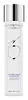
This calming toner is formulated around Glycolic Acid and Allantoin to calm redness and refine skin texture.
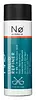
This smoothing exfoliator is formulated around Salicylic Acid and Resveratrol to refine skin texture and refine the look of pores.


What's inside
What's inside
 Key Ingredients
Benefits
Concerns
Ingredients Side-by-side
Water
Skin ConditioningHamamelis Virginiana Extract
Antiseborrhoeic



Polysorbate 80
Emulsifying
Glycolic Acid
Buffering









Allantoin
Skin Conditioning



Sodium PCA
Humectant
Menthoxypropanediol
Masking
Sodium Hyaluronate
Humectant
Disodium EDTA
ChelatingPanthenol
Skin Conditioning
Xanthan Gum
EmulsifyingParfum
Masking

Alpha-Isomethyl Ionone
Perfuming
Benzyl Salicylate
Perfuming
Hydroxyisohexyl 3-Cyclohexene Carboxaldehyde
Masking
Citronellol
Perfuming
Eugenol
Perfuming
Sodium Hydroxide
BufferingEthylhexylglycerin
Skin ConditioningPhenoxyethanol
Preservative
Water, Hamamelis Virginiana Extract, Polysorbate 80, Glycolic Acid, Allantoin, Sodium PCA, Menthoxypropanediol, Sodium Hyaluronate, Disodium EDTA, Panthenol, Xanthan Gum, Parfum, Alpha-Isomethyl Ionone, Benzyl Salicylate, Hydroxyisohexyl 3-Cyclohexene Carboxaldehyde, Citronellol, Eugenol, Sodium Hydroxide, Ethylhexylglycerin, Phenoxyethanol


Reviews
Ingredients Explained
These ingredients are found in both products.
Ingredients higher up in an ingredient list are typically present in a larger amount.
Sodium Hydroxide is also known as lye or caustic soda. It is used to adjust the pH of products; many ingredients require a specific pH to be effective.
In small amounts, sodium hydroxide is considered safe to use. However, large amounts may cause chemical burns due to its high alkaline.
Your skin has a natural pH and acid mantle. This acid mantle helps prevent harmful bacteria from breaking through. The acid mantle also helps keep your skin hydrated.
"Alkaline" refers to a high pH level. A low pH level would be considered acidic.
Learn more about Sodium HydroxideSodium PCA (the salt of PCA) is one of the most well-established humectants in skincare.
Why is it so special? Your skin already makes it naturally; it's a natural component of your skin's Natural Moisturizing Factor (NMF), or the mix of water-binding compounds inside your skin cells that keeps things soft and hydrated.
As a cosmetic ingredient, it grabs water and holds it in the upper layers of skin to smooth roughness and ease dehydration.
There's some clinical support for the NMF approach with a study showing that a cream built to mimic the skin's NMF significantly boosted hydration.
Safety-wise, this ingredient non-irritating, non-comedogenic, and non-phototoxic in testing, with minimal skin absorption.
It also works really well with other hydrators like glycerin or hyaluronic acid, and typical usage is somewhere between 0.2-4%.
Learn more about Sodium PCAWater. It's the most common cosmetic ingredient of all. You'll usually see it at the top of ingredient lists, meaning that it makes up the largest part of the product.
So why is it so popular? Water most often acts as a solvent - this means that it helps dissolve other ingredients into the formulation.
You'll also recognize water as that liquid we all need to stay alive. If you see this, drink a glass of water. Remember to stay hydrated!
Learn more about WaterXanthan gum is used as a stabilizer and thickener within cosmetic products. It helps give products a sticky, thick feeling - preventing them from being too runny.
On the technical side of things, xanthan gum is a polysaccharide - a combination consisting of multiple sugar molecules bonded together.
Xanthan gum is a pretty common and great ingredient. It is a natural, non-toxic, non-irritating ingredient that is also commonly used in food products.
Learn more about Xanthan Gum

