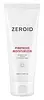
This barrier-repair moisturizer is formulated around Beta-Glucan to strengthen the skin barrier and calm redness.
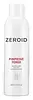
This acne toner is formulated around Capryloyl Salicylic Acid and Glycolic Acid to clear breakouts and balance excess oil.

What's inside
What's inside
 Key Ingredients
Benefits
Concerns
Ingredients Side-by-side
Water
Skin ConditioningGlycerin
Humectant


Caprylic/Capric Triglyceride
Masking
1,2-Hexanediol
Skin Conditioning
Myristoyl/Palmitoyl Oxostearamide/Arachamide Mea
Skin ConditioningPhytosterols
Skin Conditioning
Stearic Acid
Cleansing


Oleamide Mea
Foam BoostingMethylbenzyl Methylbenzimidazole Piperidinylmethanone
Tocopherol
Antioxidant





Polyglyceryl-10 Distearate
Emulsifying
Beta-Glucan
Skin Conditioning
Sodium Hyaluronate
Humectant
Allantoin
Skin Conditioning
Sodium Polyacrylate
Absorbent
Carbomer
Emulsion StabilisingArginine
Masking
Water, Glycerin, Caprylic/Capric Triglyceride, 1,2-Hexanediol, Myristoyl/Palmitoyl Oxostearamide/Arachamide Mea, Phytosterols, Stearic Acid, Oleamide Mea, Methylbenzyl Methylbenzimidazole Piperidinylmethanone, Tocopherol, Polyglyceryl-10 Distearate, Beta-Glucan, Sodium Hyaluronate, Allantoin, Sodium Polyacrylate, Carbomer, Arginine









Reviews
Ingredients Explained
These ingredients are found in both products.
Ingredients higher up in an ingredient list are typically present in a larger amount.
1,2-Hexanediol is a synthetic liquid and another multi-functional powerhouse.
It is a:
- Humectant, drawing moisture into the skin
- Emollient, helping to soften skin
- Solvent, dispersing and stabilizing formulas
- Preservative booster, enhancing the antimicrobial activity of other preservatives
Glycerin (or glycerol) is a compound naturally found in your skin. It's a powerhouse humectant that pulls water into the stratum corneum.
Topically, glycerin does several things at once:
Your skin makes glycerin on its own (mostly from sebaceous oil breakdown) and shuttles it to your outermost layer of skin, or your epidermis, via aquaporin-3.
Aquaporin-3 is a transporter that is essential for normal skin hydration, elasticity, and repair. Interestingly, mice lacking in AQP3 have dry and less elastic skin that can be fully corrected with glycerin.
This ingredient is non-irritating, plays well with almost every ingredient, and works across all skin types. Typical use is anywhere between 3-10% but can go up to 79% in some leave-on products.
Just know very high concentrations (>40%) can feel tacky in low humidity.
Glycerin is the name for this ingredient in American English. British English uses Glycerol/Glycerine.
Learn more about GlycerinMyristoyl/Palmitoyl Oxostearamide/Arachamide Mea (M/PO/AM) is a synthetic pseudoceramide; it's basically a lab-made ingredient designed to mimic the ceramides that your skin naturally produces.
What makes this ingredient special? It is connected to something called multi-lamellar emulsion (MLE) technology.
Your skin's outermost layer (stratum corneum) is often described as a "brick wall" where skin cells are bricks and lipids hold everything together. Your lipids are Ceramides, Cholesterol, and free fatty acids.
These fatty acids are not just randomly squished together. They're arranged in very specific layered (lamellar) structures. Your barrier suffers when the layer structure gets disrupted from things like eczema, harsh weather, or over-exfoliating.
M/PO/AM is formulated within MLE technology to closely replicate your skin's natural layers, setting it apart from other ceramides.
The research behind M/PO/AM is pretty solid for eczema, aka atopic dermatitis. A 2003 study on children with eczema found that an MLE cream containing M/PO/AM outperformed a standard urea-based moisturizer. The study also found a 31-35% decrease in severity index compared to smaller improvements from the control cream.
Recently, a 2024 trial found that combining M/PO/AM with topical corticosteroid led to better outcomes than using the steroid alone. The trial noted improvements in skin hydration, dryness, itching, and quality of life scores.
Research has also shown that M/PO/AM can help reduce barrier-damaging side effects of long term topical steroid use.
This ingredient also goes by the trade name PC-9S. No notable allergy concerns have been flagged for this ingredient in the published literature.
Learn more about Myristoyl/Palmitoyl Oxostearamide/Arachamide MeaWater. It's the most common cosmetic ingredient of all. You'll usually see it at the top of ingredient lists, meaning that it makes up the largest part of the product.
So why is it so popular? Water most often acts as a solvent - this means that it helps dissolve other ingredients into the formulation.
You'll also recognize water as that liquid we all need to stay alive. If you see this, drink a glass of water. Remember to stay hydrated!
Learn more about Water

