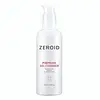
This mild gel cleanser is made to cleanse while respecting your skin barrier.
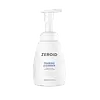
This mild foaming cleanser is made to cleanse without leaving your skin tight or dry.

What's inside
What's inside
 Key Ingredients
Benefits
Ingredients Side-by-side
Water
Skin ConditioningDecyl Glucoside
Cleansing
Disodium Cocoyl Glutamate
Cleansing
Propanediol
Solvent

Glycerin
Humectant
Sodium Laurylglucosides Hydroxypropylsulfonate
CleansingDisodium Cocoamphodiacetate
CleansingSodium Chloride
MaskingSodium Lactate
Buffering
Sodium Gluconate
Skin ConditioningPanthenol
Skin Conditioning

Zinc PCA
Humectant



Xanthan Gum
EmulsifyingMyristoyl/Palmitoyl Oxostearamide/Arachamide Mea
Skin ConditioningO-Cymen-5-Ol
Antimicrobial
Disodium EDTA
Citric Acid
Buffering


1,2-Hexanediol
Skin Conditioning
Caprylyl Glycol
Emollient
Hexylene Glycol
EmulsifyingWater, Decyl Glucoside, Disodium Cocoyl Glutamate, Propanediol, Glycerin, Sodium Laurylglucosides Hydroxypropylsulfonate, Disodium Cocoamphodiacetate, Sodium Chloride, Sodium Lactate, Sodium Gluconate, Panthenol, Zinc PCA, Xanthan Gum, Myristoyl/Palmitoyl Oxostearamide/Arachamide Mea, O-Cymen-5-Ol, Disodium EDTA, Citric Acid, 1,2-Hexanediol, Caprylyl Glycol, Hexylene Glycol
Water
Skin ConditioningDisodium Lauryl Sulfosuccinate
CleansingSodium Lauroyl Methyl Isethionate
CleansingDisodium Cocoamphodiacetate
CleansingCoco-Glucoside
Cleansing
Glycerin
Humectant
1,2-Hexanediol
Skin Conditioning
Betaine
Humectant
Sodium Chloride
MaskingHydroxyethyl Urea
Humectant
Citric Acid
Buffering
Hydroxyacetophenone
Antioxidant
Disodium EDTA
Hexylene Glycol
EmulsifyingSodium PCA
Humectant
Sodium Hyaluronate
Humectant

Myristoyl/Palmitoyl Oxostearamide/Arachamide Mea
Skin ConditioningWater, Disodium Lauryl Sulfosuccinate, Sodium Lauroyl Methyl Isethionate, Disodium Cocoamphodiacetate, Coco-Glucoside, Glycerin, 1,2-Hexanediol, Betaine, Sodium Chloride, Hydroxyethyl Urea, Citric Acid, Hydroxyacetophenone, Disodium EDTA, Hexylene Glycol, Sodium PCA, Sodium Hyaluronate, Myristoyl/Palmitoyl Oxostearamide/Arachamide Mea
Reviews
Ingredients Explained
These ingredients are found in both products.
Ingredients higher up in an ingredient list are typically present in a larger amount.
1,2-Hexanediol is a synthetic liquid and another multi-functional powerhouse.
It is a:
- Humectant, drawing moisture into the skin
- Emollient, helping to soften skin
- Solvent, dispersing and stabilizing formulas
- Preservative booster, enhancing the antimicrobial activity of other preservatives
Citric Acid is an alpha hydroxy acid (AHA) naturally found in citrus fruits like oranges, lemons, and limes.
Like other AHAs, citric acid can exfoliate skin by breaking down the bonds that hold dead skin cells together. This helps reveal smoother and brighter skin underneath.
However, this exfoliating effect only happens at high concentrations (20%) which can be hard to find in cosmetic products.
Due to this, citric acid is usually included in small amounts as a pH adjuster. This helps keep products slightly more acidic and compatible with skin's natural pH.
In skincare formulas, citric acid can:
While it can provide some skin benefits, research shows lactic acid and glycolic acid are generally more effective and less irritating exfoliants.
Most citric acid used in skincare today is made by fermenting sugars (usually from molasses). This synthetic version is identical to the natural citrus form but easier to stabilize and use in formulations.
Rosacea skin has a lower threshold for acids generally, with 62.5% of rosacea subjects in one study reacting to lactic acid in a sting test. This is why we mark citric acid as a potential rosacea trigger.
However, this ingredient shows up as a pH adjuster or chelator at roughly 0.1-1% in many products. These low levels are unlikely to be an issue for rosacea skin and becomes a potential trigger at exfoliating concentrations (20%). Because everybody's skin is unique, we recommend a patch test if you are unsure.
Learn more about Citric AcidDisodium Cocoamphodiacetate is a surfactant and helps cleanse skin. It is created from the fatty acids of coconut oil.
Surfactants help rinse oil, dirt, and other pollutants easily from skin. It has a faint fruit-like scent.
Disodium EDTA is a chelating agent. It grabs onto and deactivates metal ions that sneak into your products from water, packaging, or air.
This ingredient mainly works behind the scenes and helps with:
On top of that, this ingredient can counteract the effects of hard water by binding to the minerals in it.
One thing worth knowing is that Disodium EDTA has been shown to be a mild penetration enhancer. It can help other ingredients absorb into skin more effectively which can be a double-edged sword (great for actives, but can also make the active too strong if you have sensitive skin).
Clinical patch testing showed no significant skin irritation at typical use concentrations and minimal dermal absorption.
You'll most likely see this ingredient near the end of an ingredient list. It's typically found in concentrations less than 1%.
Learn more about Disodium EDTAGlycerin (or glycerol) is a compound naturally found in your skin. It's a powerhouse humectant that pulls water into the stratum corneum.
Topically, glycerin does several things at once:
Your skin makes glycerin on its own (mostly from sebaceous oil breakdown) and shuttles it to your outermost layer of skin, or your epidermis, via aquaporin-3.
Aquaporin-3 is a transporter that is essential for normal skin hydration, elasticity, and repair. Interestingly, mice lacking in AQP3 have dry and less elastic skin that can be fully corrected with glycerin.
This ingredient is non-irritating, plays well with almost every ingredient, and works across all skin types. Typical use is anywhere between 3-10% but can go up to 79% in some leave-on products.
Just know very high concentrations (>40%) can feel tacky in low humidity.
Glycerin is the name for this ingredient in American English. British English uses Glycerol/Glycerine.
Learn more about GlycerinHexylene Glycol is a multitasker ingredient that works as a solvent, humectant, emulsifier, viscosity reducer, and preservative booster.
It is able to dissolve both water and oil-soluble ingredients to stabilize tricky actives and make products spread more easily.
As a humectant, it pulls water into the skin. But it's a pretty minor moisturizing ingredient compared to other humectants, like glycerin.
Interestingly, it can act as a mild penetration enhancer. One in vitro study on human skin found a 12% concentration upped the absorption of mometasone furoate (a medicinal ingredient used to treat inflammatory skin conditions) up to 7%.
This ingredient is typically used at levels of 0.1-10% depending on the role it's playing.
A patch test study on eczema patients didn't find a significant increase in irritation versus the control group, but the potential for irritation rises at higher concentrations.
Learn more about Hexylene GlycolMyristoyl/Palmitoyl Oxostearamide/Arachamide Mea (M/PO/AM) is a synthetic pseudoceramide; it's basically a lab-made ingredient designed to mimic the ceramides that your skin naturally produces.
What makes this ingredient special? It is connected to something called multi-lamellar emulsion (MLE) technology.
Your skin's outermost layer (stratum corneum) is often described as a "brick wall" where skin cells are bricks and lipids hold everything together. Your lipids are Ceramides, Cholesterol, and free fatty acids.
These fatty acids are not just randomly squished together. They're arranged in very specific layered (lamellar) structures. Your barrier suffers when the layer structure gets disrupted from things like eczema, harsh weather, or over-exfoliating.
M/PO/AM is formulated within MLE technology to closely replicate your skin's natural layers, setting it apart from other ceramides.
The research behind M/PO/AM is pretty solid for eczema, aka atopic dermatitis. A 2003 study on children with eczema found that an MLE cream containing M/PO/AM outperformed a standard urea-based moisturizer. The study also found a 31-35% decrease in severity index compared to smaller improvements from the control cream.
Recently, a 2024 trial found that combining M/PO/AM with topical corticosteroid led to better outcomes than using the steroid alone. The trial noted improvements in skin hydration, dryness, itching, and quality of life scores.
Research has also shown that M/PO/AM can help reduce barrier-damaging side effects of long term topical steroid use.
This ingredient also goes by the trade name PC-9S. No notable allergy concerns have been flagged for this ingredient in the published literature.
Learn more about Myristoyl/Palmitoyl Oxostearamide/Arachamide MeaChances are, you eat sodium chloride every day. Sodium Chloride is also known as table salt. This ingredient has many purposes in skincare: thickener, emulsifier, and exfoliator.
You'll most likely find this ingredient in cleansers where it is used to create a gel-like texture. As an emulsifier, it also prevents ingredients from separating.
You might see people debate whether Sodium Chloride is comedogenic, but there actually haven't been any comedogenic tests done on it. Either way, the overall formulation of a product matters a lot more than any single ingredient.
You might see this ingredient used in scrubs as a primary exfoliating ingredient.
Learn more about Sodium ChlorideWater. It's the most common cosmetic ingredient of all. You'll usually see it at the top of ingredient lists, meaning that it makes up the largest part of the product.
So why is it so popular? Water most often acts as a solvent - this means that it helps dissolve other ingredients into the formulation.
You'll also recognize water as that liquid we all need to stay alive. If you see this, drink a glass of water. Remember to stay hydrated!
Learn more about Water

