This hydrating toner is formulated around Glycerin to hydrate skin.
This calming treatment is formulated around Rosa Damascena Flower Water and Acetyl Hexapeptide-8 to calm redness.


What's inside
What's inside
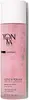 Key Ingredients
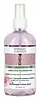
No key ingredients
Benefits
Concerns
Ingredients Side-by-side




Water
Skin ConditioningGlycerin
Humectant


Pyrus Malus Fruit Extract
Skin Conditioning
PEG-12 Dimethicone
Skin Conditioning
Soluble Collagen
Humectant
Rosa Damascena Flower Water
Masking

Aloe Barbadensis Leaf Juice
Skin Conditioning
Acetyl Hexapeptide-8
Humectant
Butylene Glycol
Humectant
Citrullus Lanatus Fruit Extract
Skin Conditioning
Lens Esculenta Fruit Extract
Skin ConditioningSodium Lactate
Buffering
Sodium PCA
Humectant
Oryza Sativa Extract
Absorbent
Glycine Max Seed Extract
Skin ConditioningDaucus Carota Sativa Root Extract
Skin Conditioning
Chenopodium Quinoa Seed Extract
Skin Conditioning
Panax Ginseng Root Extract
Emollient
Tocopheryl Acetate
Antioxidant


Vaccinium Angustifolium Fruit Extract
Skin Protecting
Isopentyldiol
Humectant
Pentylene Glycol
Skin Conditioning
Phenoxyethanol
Preservative
Maltodextrin
Absorbent
Tetrasodium Glutamate Diacetate
ChelatingParfum
Masking




Caprylyl Glycol
Emollient
Ethylhexylglycerin
Skin ConditioningHexylene Glycol
EmulsifyingCitric Acid
Buffering
CI 17200
Cosmetic ColorantWater, Glycerin, Pyrus Malus Fruit Extract, PEG-12 Dimethicone, Soluble Collagen, Rosa Damascena Flower Water, Aloe Barbadensis Leaf Juice, Acetyl Hexapeptide-8, Butylene Glycol, Citrullus Lanatus Fruit Extract, Lens Esculenta Fruit Extract, Sodium Lactate, Sodium PCA, Oryza Sativa Extract, Glycine Max Seed Extract, Daucus Carota Sativa Root Extract, Chenopodium Quinoa Seed Extract, Panax Ginseng Root Extract, Tocopheryl Acetate, Vaccinium Angustifolium Fruit Extract, Isopentyldiol, Pentylene Glycol, Phenoxyethanol, Maltodextrin, Tetrasodium Glutamate Diacetate, Parfum, Caprylyl Glycol, Ethylhexylglycerin, Hexylene Glycol, Citric Acid, CI 17200
Reviews
Ingredients Explained
These ingredients are found in both products.
Ingredients higher up in an ingredient list are typically present in a larger amount.
Glycerin (or glycerol) is a compound naturally found in your skin. It's a powerhouse humectant that pulls water into the stratum corneum.
Topically, glycerin does several things at once:
Your skin makes glycerin on its own (mostly from sebaceous oil breakdown) and shuttles it to your outermost layer of skin, or your epidermis, via aquaporin-3.
Aquaporin-3 is a transporter that is essential for normal skin hydration, elasticity, and repair. Interestingly, mice lacking in AQP3 have dry and less elastic skin that can be fully corrected with glycerin.
This ingredient is non-irritating, plays well with almost every ingredient, and works across all skin types. Typical use is anywhere between 3-10% but can go up to 79% in some leave-on products.
Just know very high concentrations (>40%) can feel tacky in low humidity.
Glycerin is the name for this ingredient in American English. British English uses Glycerol/Glycerine.
Learn more about GlycerinWater. It's the most common cosmetic ingredient of all. You'll usually see it at the top of ingredient lists, meaning that it makes up the largest part of the product.
So why is it so popular? Water most often acts as a solvent - this means that it helps dissolve other ingredients into the formulation.
You'll also recognize water as that liquid we all need to stay alive. If you see this, drink a glass of water. Remember to stay hydrated!
Learn more about Water

