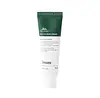
This calming moisturizer is formulated around Panthenol and Centella Asiatica Extract to calm redness and strengthen the skin barrier.
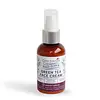
This calming moisturizer is formulated around Aloe Barbadensis Leaf Juice and Camellia Sinensis Leaf Extract to calm redness and hydrate skin.


What's inside
What's inside
 Key Ingredients
Benefits
Concerns
Ingredients Side-by-side
Glycerin
Humectant


Dimethicone
Emollient
PEG-8 Caprylic/Capric Glycerides
EmulsifyingCetyl Palmitate
Emollient

Cetearyl Olivate
Tromethamine
BufferingSorbitan Olivate
Emulsifying
Ammonium Acryloyldimethyltaurate/Vp Copolymer
Ozokerite
Emulsion StabilisingHydrogenated Vegetable Oil
Emollient


Chlorphenesin
Antimicrobial
Panthenol
Skin Conditioning

Cera Alba
Emollient
Sorbitan Stearate
Emulsifying
Caprylyl Glycol
Emollient
EDTA
ChelatingDextrin
Absorbent1,2-Hexanediol
Skin Conditioning
Centella Asiatica Extract
Cleansing

Hydrogenated Lecithin
Emulsifying
Beta-Glucan
Skin Conditioning
Ceramide NP
Skin Conditioning
Glycerin, Dimethicone, PEG-8 Caprylic/Capric Glycerides, Cetyl Palmitate, Cetearyl Olivate, Tromethamine, Sorbitan Olivate, Ammonium Acryloyldimethyltaurate/Vp Copolymer, Ozokerite, Hydrogenated Vegetable Oil, Chlorphenesin, Panthenol, Cera Alba, Sorbitan Stearate, Caprylyl Glycol, EDTA, Dextrin, 1,2-Hexanediol, Centella Asiatica Extract, Hydrogenated Lecithin, Beta-Glucan, Ceramide NP









Ingredients Explained
These ingredients are found in both products.
Ingredients higher up in an ingredient list are typically present in a larger amount.
Cetearyl Olivate is a plant-derived emulsifier and texture enhancer. It helps keep the oil and water phases from separating so your formulas stay stable.
You'll likely see it combined with Sorbitan Olivate (together sold as the trade name Olivem 1000). This combination generates a liquid crystal structure that closely resemble the lipid organization of the stratum corneum.
These "skin-like" liquid crystals improve skin barrier integrity and promote the delivery of actives into the skin.
This ingredient is well-tolerated and has no significant sensitization data.
Because it is derived from the fatty acids in olive oil, this ingredient may not be fungal acne safe.
Learn more about Cetearyl OlivateCetyl Palmitate is a wax-ester that pulls triple duty as an emollient, thickener, and emulsion enhancer.
It helps enhance the texture of products by giving a smooth, silky feel while helping to stabilize the formula. The emollient action softens skin and reduces moisture loss.
This ingredient is considered safe and human testing of concentrations between 2.5-2.7% were found minimal irritation. Just know, there have been very rare cases of the palmitate family causing contact dermatitis.
This ingredient may not be fungal acne safe because it contains a C16 ester (palmitic acid) that falls into the C11-24 range that Malassezia can feed on.
Learn more about Cetyl PalmitateSorbitan Olivate is created from the fatty acids in olive oil and sorbitol.
This ingredient is an oil in water emulsifier. It helps stabilize a product by preventing oils and waters from separating. Sorbitan Olivate also helps hydrate the skin.
This ingredient is also known as part of Olivem 1000, with Cetearyl Olivate being the other part.
According to a manufacturer, this ingredient helps preserve the natural microbiome of skin. Having a healthy microbiome helps keep our skin healthy and protects against harmful bacteria.
Please note, having a healthy microbiome is different from fungal acne; a healthy microbiome includes small amounts of yeast that normally live on your skin without causing problems.
Fungal acne happens when one type of yeast (Malassezia) grows out of control. This is usually because it's feeding on certain oils or fatty acids. Due to the olive oil base, this ingredient may not be fungal acne safe.
Learn more about Sorbitan Olivate


