
What's inside
What's inside
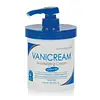 Key Ingredients
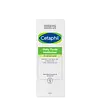
Benefits
Concerns
Ingredients Side-by-side



Water
Skin ConditioningOctocrylene
UV Absorber


Diisopropyl Adipate
EmollientCyclopentasiloxane
Emollient
Glycerin
Humectant



Butyl Methoxydibenzoylmethane
UV Absorber

Glyceryl Stearate
Emollient
PEG-100 Stearate
Polymethyl Methacrylate
Phenoxyethanol
Preservative
Benzyl Alcohol
Perfuming




Triethanolamine
BufferingAcrylates/C10-30 Alkyl Acrylate Crosspolymer
Emulsion StabilisingTocopheryl Acetate
Antioxidant

Carbomer
Emulsion StabilisingDisodium EDTA
Water, Octocrylene, Diisopropyl Adipate, Cyclopentasiloxane, Glycerin, Butyl Methoxydibenzoylmethane, Glyceryl Stearate, PEG-100 Stearate, Polymethyl Methacrylate, Phenoxyethanol, Benzyl Alcohol, Triethanolamine, Acrylates/C10-30 Alkyl Acrylate Crosspolymer, Tocopheryl Acetate, Carbomer, Disodium EDTA
Reviews
Ingredients Explained
These ingredients are found in both products.
Ingredients higher up in an ingredient list are typically present in a larger amount.
Glyceryl Stearate is a mix of glycerin and stearic acid.
It is used to stabilize the mixing of water and oil ingredients. By preventing these ingredients from separating, it can help elongate shelf life. It can also help thicken the product's texture.
As an emollient, it helps soften skin and supports barrier-replenishing ingredients.
In cosmetics, Glyceryl Stearate is often made from vegetable oils or synthetically produced.
This ingredient may not be fungal-acne safe
Fun fact: The human body also creates Glyceryl Stearate naturally.
Learn more about Glyceryl StearateWater. It's the most common cosmetic ingredient of all. You'll usually see it at the top of ingredient lists, meaning that it makes up the largest part of the product.
So why is it so popular? Water most often acts as a solvent - this means that it helps dissolve other ingredients into the formulation.
You'll also recognize water as that liquid we all need to stay alive. If you see this, drink a glass of water. Stay hydrated!
Learn more about Water
