This oil-based makeup remover is made to dissolve makeup, sunscreen, and daily buildup.
This oil-based makeup remover is made to dissolve makeup, sunscreen, and daily buildup.

What's inside
What's inside
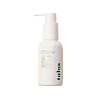 Key Ingredients
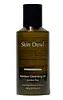
Benefits
Concerns
Ingredients Side-by-side
Ethylhexyl Palmitate
Emollient




Sorbeth-30 Tetraoleate
Emulsifying
Cetyl Ethylhexanoate
EmollientCamellia Japonica Seed Oil
Emollient

Tocopheryl Acetate
Antioxidant


Citrus Limon Peel Oil
Masking




Citrus Aurantium Bergamia Fruit Oil
Masking
Citrus Aurantium Dulcis Peel Oil
Masking
Lavandula Angustifolia Oil
Masking
Citrus Aurantifolia Oil
Cleansing
Rosmarinus Officinalis Leaf Oil
Masking
Citrus Nobilis Peel Oil
Masking
Citrus Aurantium Dulcis Flower Oil
Astringent
Salvia Sclarea Oil
Masking
Ethylhexyl Palmitate, Sorbeth-30 Tetraoleate, Cetyl Ethylhexanoate, Camellia Japonica Seed Oil, Tocopheryl Acetate, Citrus Limon Peel Oil, Citrus Aurantium Bergamia Fruit Oil, Citrus Aurantium Dulcis Peel Oil, Lavandula Angustifolia Oil, Citrus Aurantifolia Oil, Rosmarinus Officinalis Leaf Oil, Citrus Nobilis Peel Oil, Citrus Aurantium Dulcis Flower Oil, Salvia Sclarea Oil
Coco-Caprylate/Caprate
Emollient
Ricinus Communis Seed Oil
Masking
Caprylic/Capric Triglyceride
Masking
Helianthus Annuus Seed Oil
Emollient
Hydrogenated Coco-Glycerides
Emollient
Glyceryl Citrate/Lactate/Linoleate/Oleate
Emulsifying
Calophyllum Inophyllum Seed Oil
Antimicrobial

Bambusa Arundinacea Stem Powder
Abrasive
Polyglyceryl-3 Caprate
EmulsifyingGlyceryl Caprylate
EmollientTocopherol
Antioxidant

Polyglyceryl-4 Cocoate
Emollient
Glyceryl Undecylenate
Emollient
Glycine Soja Oil
Emollient
Lavandula Angustifolia Oil
Masking
Rosmarinus Officinalis Leaf Oil
Masking
Rosa Damascena Flower Oil
Masking
Cedrus Atlantica Bark Oil
Masking
Salvia Sclarea Oil
Masking
Citrus Aurantium Dulcis Peel Oil
Masking
Coco-Caprylate/Caprate, Ricinus Communis Seed Oil, Caprylic/Capric Triglyceride, Helianthus Annuus Seed Oil, Hydrogenated Coco-Glycerides, Glyceryl Citrate/Lactate/Linoleate/Oleate, Calophyllum Inophyllum Seed Oil, Bambusa Arundinacea Stem Powder, Polyglyceryl-3 Caprate, Glyceryl Caprylate, Tocopherol, Polyglyceryl-4 Cocoate, Glyceryl Undecylenate, Glycine Soja Oil, Lavandula Angustifolia Oil, Rosmarinus Officinalis Leaf Oil, Rosa Damascena Flower Oil, Cedrus Atlantica Bark Oil, Salvia Sclarea Oil, Citrus Aurantium Dulcis Peel Oil
Ingredients Explained
These ingredients are found in both products.
Ingredients higher up in an ingredient list are typically present in a larger amount.
Citrus Aurantium Dulcis Peel Oil is oil from the peel of an orange fruit.
Limonene and linalool make up the majority of oils from citrus peels. Limonene has a "citrus" fragrance. Citrus peels also contain flavonoids, which have anti-inflammatory properties.
Citrus peel is also a rich source of flavonoids. Flavonoids are natural antioxidants and help protect your skin against damage. Flavonoids are a group of compounds naturally found in vegetables and fruits.
The term 'fragrance' is not regulated in many countries. In many cases, it is up to the brand to define this term. For instance, many brands choose to label themselves as "fragrance-free" because they are not using synthetic fragrances. However, their products may still contain ingredients such as essential oils that are considered a fragrance.
Learn more about Citrus Aurantium Dulcis Peel OilLavandula Angustifolia Oil is more commonly known as lavender essential oil. It is considered a fragrancing ingredient.
Lavender imparts a famous scent. While the smell is lovely, this ingredient and may sensitize skin in topical products. This is because about 85% of the oil is made up of linalool and linalyl acetate.
When exposed to air, these two compounds become strong allergens. This ingredient exhibits cytotoxicity at low concentrations; amounts of 0.25% have been shown to damage skin cells.
A study from Japan found this ingredient caused lavender sensitivity after widespread exposure.
Lavender essential oil has some antimicrobial, antibacterial, and anti-inflammatory properties. However, the cons of this ingredient may outweight the pros.
More research is needed to confirm lavender essential oil's effects when used in aromatherapy.
Lavandula Angustifolia is known as the English Lavender and famous for creating purple fields in Provence, France.
Learn more about Lavandula Angustifolia OilRosmarinus Officinalis Leaf Oil is an essential oil also known as rosemary essential oil. In skincare, it is a skin conditioning agent and also acts as a natural fragrance that gives products a fresh/herby smell.
The oil is a mix of over 100 volatile compounds with 1,8-cineole, α-pinene, camphor, and verbenone usually leading the pack.
Lab studies credit this oil with antioxidant, anti-inflammatory, and antimicrobial activity. Some research even show rosemary compounds calming acne-related inflammation.
The Cosmetic Ingredient Review (CIR) has concluded rosemary-derived ingredients to be safe when formulated to be nonsensitizing.
Since this is a fragrant essential oil, the main concern is for fragrance-sensitive folks.
Learn more about Rosmarinus Officinalis Leaf OilThis ingredient is more commonly known as clary sage essential oil.
The two main active components in clary sage essential oil are linalool and linalyl acetate.
A patch test is recommended before use, especially for sensitive skin. This ingredient should be diluted as part of a formulation and not applied directly.
Learn more about Salvia Sclarea Oil

