
What's inside
What's inside
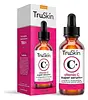 Key Ingredients
Benefits
Concerns
Ingredients Side-by-side
Herbal Infusion
Ascorbic Acid
Antioxidant






Cassia Angustifolia Seed Polysaccharide
Skin ConditioningRosa Canina Fruit Oil
Emollient



Dimethyl Sulfone
SolventRetinol
Skin Conditioning




Squalane
Emollient
Niacinamide
Smoothing


Arginine
Masking
Salicylic Acid
Masking



Essential Oils
Aloe Barbadensis Leaf
Masking
Centella Asiatica Extract
Cleansing
Equisetum Arvense Extract
AstringentGeranium Maculatum Extract
TonicCarbomer
Emulsion StabilisingPhenoxyethanol
Preservative
Ethylhexylglycerin
Skin ConditioningHerbal Infusion, Ascorbic Acid, Cassia Angustifolia Seed Polysaccharide, Rosa Canina Fruit Oil, Dimethyl Sulfone, Retinol, Squalane, Niacinamide, Arginine, Salicylic Acid, Essential Oils, Aloe Barbadensis Leaf, Centella Asiatica Extract, Equisetum Arvense Extract, Geranium Maculatum Extract, Carbomer, Phenoxyethanol, Ethylhexylglycerin
Water
Skin ConditioningAloe Barbadensis Leaf Juice
Skin Conditioning
Sodium Ascorbyl Phosphate
Antioxidant
Dimethyl Sulfone
SolventCassia Angustifolia Seed Polysaccharide
Skin ConditioningHamamelis Virginiana Water
Astringent
Tocopheryl Acetate
Antioxidant
Glycerin
Humectant
Arginine
Masking
Carbomer
Emulsion StabilisingCentella Asiatica Extract
Cleansing
Equisetum Arvense Extract
AstringentTaraxacum Officinale Extract
Skin ConditioningPelargonium Graveolens Extract
Masking
Simmondsia Chinensis Seed Oil
Emollient
Phenoxyethanol
Preservative
Ethylhexylglycerin
Skin ConditioningSodium Hydroxide
BufferingWater, Aloe Barbadensis Leaf Juice, Sodium Ascorbyl Phosphate, Dimethyl Sulfone, Cassia Angustifolia Seed Polysaccharide, Hamamelis Virginiana Water, Tocopheryl Acetate, Glycerin, Arginine, Carbomer, Centella Asiatica Extract, Equisetum Arvense Extract, Taraxacum Officinale Extract, Pelargonium Graveolens Extract, Simmondsia Chinensis Seed Oil, Phenoxyethanol, Ethylhexylglycerin, Sodium Hydroxide
Reviews
Ingredients Explained
These ingredients are found in both products.
Ingredients higher up in an ingredient list are typically present in a larger amount.
Arginine is a semi-essential amino acid. This just means our bodies can product a bit on its own, but sometimes needs a little boost from food sources.
It is a part of your skin's natural moisturizing factor (NMF), or the water-loving molecules in your outermost layer of skin (stratum corneum) that keeps everything hydrated and happy.
Here's an interesting thing about Arginine: your skin converts it into urea through the Krebs-Henseleit urea cycle. Urea is one of the most effective humectants your skin naturally produces.
A clinical study showed applying 2.5% arginine hydrochloride to atopic dermatitis skin showed significant urea levels in the stratum corneum and improved moisture in just four weeks.
Arginine is also a precursor to nitric oxide; nitric oxide improves microcirculation and supports wound healing and collagen synthesis.
One study found that an amino acid complex containing Arginine reduced skin irritation, improved hydration, and accelerated skin repair in clinical / in-vivo studies.
Arginine itself is an amino acid and not a fatty acid, oil, or ester. On its own, it's not a direct food source for Malassezia, or the yeast that causes fungal acne.
Learn more about ArginineCarbomer is a high-molecular weight polymer of acrylic acid. It is used to form gels and thicken formulas.
Due to its large molecular size, carbomer has minimal skin penetration and is considered an inert ingredient.
A high amount of carbomer can cause pilling or balling up of products. Don't worry, most products contain 1% or less of carbomer.
Learn more about CarbomerWe don't have a description for Cassia Angustifolia Seed Polysaccharide yet.
Centella Asiatica Extract (Centella) is derived from an herb native to Southeast Asia. It is famous for its anti-inflammatory and soothing properties.
Centella is rich in antioxidants and amino acids, such as Madecassic Acid and Asiaticoside.
Studies show the compounds in centella help with:
The combination of all these properties makes centella effective at soothing, hydrating, and protecting the skin.
Other great components of centella include Vitamin A, vitamin C, several B vitamins, and Asiatic Acid.
Fun fact: Centella has been used as a medicine and in food for many centuries. As a medicine, it is used to treat burns, scratches, and wounds.
Learn more about Centella Asiatica ExtractDimethyl Sulfone is an organic compound that naturally contains sulfur. It is used as a solvent due to its stability. Solvents help mix and stabilize other ingredients.
Studies show taking Dimethyl Sulfone (also known as methylsulfonylmethane or MSM) orally may help reduce the depth of wrinkles. We recommend speaking with a professional if you have any questions or concerns about this ingredient.
This botanical extract is also known as horsetail extract. It mainly acts as an emollient, skin soother, and astringent.
A study from 2023 found compounds in Equisetum Arvense showed significant anti-inflammatory effects in irritated keratinocytes (the main cell in your outermost layer of skin).
Another study using a cream with horsetail and soybean extract found 80% of participants showed at least a 26% improvement in forehead wrinkles after 8 weeks.
Animal research has shown topical Equisetum Arvense stimulated skin and tissue growth in mice.
The research so far is encouraging, but still in its early days. But it's a lovely supporting ingredient and can be a welcome addition to any routine.
Learn more about Equisetum Arvense ExtractEthylhexylglycerin is created from glycerin. It is a multitasker ingredient that:
The CIR Expert Panel found minimal skin absorption or sensitization of any kind in a safety assessment. Though this ingredient is considered well-tolerated, a small number of cases of allergic dermatitis have been published since 2002. Just be sure to patch test if you are unsure.
Industry-reported use ranges from 8% in rinse-off products and 2% in leave-on formulations.
Learn more about EthylhexylglycerinPhenoxyethanol is a preservative that has germicide, antimicrobial, and aromatic properties. Studies show that phenoxyethanol can prevent microbial growth. By itself, it has a scent that is similar to that of a rose.
It's often used in formulations along with Caprylyl Glycol to preserve the shelf life of products.


