This hydrating serum is formulated around Sodium PCA and Panthenol to hydrate skin and strengthen the skin barrier.
This oil-control serum is formulated around Niacinamide and Zinc PCA to balance excess oil and refine the look of pores.

What's inside
What's inside
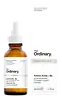 Key Ingredients
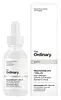
No key ingredients
Benefits
Concerns
No concerns
Ingredients Side-by-side
Water
Skin ConditioningPropanediol
Solvent

Betaine
Humectant
Sodium PCA
Humectant
Panthenol
Skin Conditioning

Sodium Lactate
Buffering
Arginine
Masking
PCA
Humectant
Aspartic Acid
Masking
Glycine
Buffering
Alanine
Masking
Serine
Masking
Threonine
Valine
MaskingProline
Skin Conditioning
Isoleucine
Skin ConditioningLysine Hcl
Skin Conditioning
Histidine
Humectant
Phenylalanine
Masking
Glutamic Acid
Humectant
Citric Acid
Buffering


Dimethyl Isosorbide
SolventPolysorbate 20
Emulsifying
Trisodium Ethylenediamine Disuccinate
Chelating1,2-Hexanediol
Skin Conditioning
Caprylyl Glycol
Emollient
Water, Propanediol, Betaine, Sodium PCA, Panthenol, Sodium Lactate, Arginine, PCA, Aspartic Acid, Glycine, Alanine, Serine, Threonine, Valine, Proline, Isoleucine, Lysine Hcl, Histidine, Phenylalanine, Glutamic Acid, Citric Acid, Dimethyl Isosorbide, Polysorbate 20, Trisodium Ethylenediamine Disuccinate, 1,2-Hexanediol, Caprylyl Glycol








Reviews
Ingredients Explained
These ingredients are found in both products.
Ingredients higher up in an ingredient list are typically present in a larger amount.
Dimethyl Isosorbide (often shortened to DMI) is a sugar-derived solvent made from sorbitol. It's used to dissolve tricky ingredients and help them mix smoothly into a formula.
Many actives sit as gritty crystals when undissolved, so DMI swoops in to full dissolve them. This helps improve texture, stability, and how evenly an active is distributed.
It does have a penetration-enhancing reputation that is a bit more nuanced than marketing suggests; a cell study on human skin found that 10% DMI didn't significantly boost the permeation of Hydroquinone, Salicylic Acid, or Octadecenedioic Acid compared to controls (though it did improve their solubility in the formula itself).
Typical usage concentrations usually range from 1-10% depending on the formula's needs; this ingredient is also well tolerated at these levels.
Learn more about Dimethyl IsosorbideWater. It's the most common cosmetic ingredient of all. You'll usually see it at the top of ingredient lists, meaning that it makes up the largest part of the product.
So why is it so popular? Water most often acts as a solvent - this means that it helps dissolve other ingredients into the formulation.
You'll also recognize water as that liquid we all need to stay alive. If you see this, drink a glass of water. Remember to stay hydrated!
Learn more about Water

