This hydrating serum is formulated around Sodium PCA and Panthenol to hydrate skin and strengthen the skin barrier.
This anti-aging serum is formulated around Acetyl Hexapeptide-8 and Acetyl Octapeptide-3 to soften the look of wrinkles and strengthen the skin barrier.


What's inside
What's inside
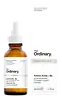 Key Ingredients
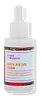
No key ingredients
Benefits
Concerns
No concerns
Ingredients Side-by-side
Water
Skin ConditioningPropanediol
Solvent

Betaine
Humectant
Sodium PCA
Humectant
Panthenol
Skin Conditioning

Sodium Lactate
Buffering
Arginine
Masking
PCA
Humectant
Aspartic Acid
Masking
Glycine
Buffering
Alanine
Masking
Serine
Masking
Threonine
Valine
MaskingProline
Skin Conditioning
Isoleucine
Skin ConditioningLysine Hcl
Skin Conditioning
Histidine
Humectant
Phenylalanine
Masking
Glutamic Acid
Humectant
Citric Acid
Buffering


Dimethyl Isosorbide
SolventPolysorbate 20
Emulsifying
Trisodium Ethylenediamine Disuccinate
Chelating1,2-Hexanediol
Skin Conditioning
Caprylyl Glycol
Emollient
Water, Propanediol, Betaine, Sodium PCA, Panthenol, Sodium Lactate, Arginine, PCA, Aspartic Acid, Glycine, Alanine, Serine, Threonine, Valine, Proline, Isoleucine, Lysine Hcl, Histidine, Phenylalanine, Glutamic Acid, Citric Acid, Dimethyl Isosorbide, Polysorbate 20, Trisodium Ethylenediamine Disuccinate, 1,2-Hexanediol, Caprylyl Glycol
Water
Skin ConditioningPropanediol
Solvent
Glycerin
Humectant
Ammonium Acryloyldimethyltaurate/Vp Copolymer
1,2-Hexanediol
Skin Conditioning
Diheptyl Succinate
EmollientCapryloyl Glycerin/Sebacic Acid Copolymer
Skin ConditioningGlycine
Buffering
Xanthan Gum
EmulsifyingEthylhexylglycerin
Skin ConditioningCaprylyl Glycol
Emollient
Acetyl Hexapeptide-8
Humectant
Acetyl Octapeptide-3
Humectant
Sodium Hyaluronate
Humectant
Copper Tripeptide-1
Skin Conditioning
Tocopherol
Antioxidant


Water, Propanediol, Glycerin, Ammonium Acryloyldimethyltaurate/Vp Copolymer, 1,2-Hexanediol, Diheptyl Succinate, Capryloyl Glycerin/Sebacic Acid Copolymer, Glycine, Xanthan Gum, Ethylhexylglycerin, Caprylyl Glycol, Acetyl Hexapeptide-8, Acetyl Octapeptide-3, Sodium Hyaluronate, Copper Tripeptide-1, Tocopherol
Reviews
Ingredients Explained
These ingredients are found in both products.
Ingredients higher up in an ingredient list are typically present in a larger amount.
1,2-Hexanediol is a synthetic liquid and another multi-functional powerhouse.
It is a:
- Humectant, drawing moisture into the skin
- Emollient, helping to soften skin
- Solvent, dispersing and stabilizing formulas
- Preservative booster, enhancing the antimicrobial activity of other preservatives
Caprylyl Glycol is a humectant, skin conditioner, emollient, and preservative booster derived from either caprylic acid or synthetically created.
Typical use levels vary from 0.3-1% as a preservative booster and go up to 2% to condition skin.
Because it is not a free-fatty acid, this ingredient is fungal acne safe (there's nothing for Malassezia to feed on).
Learn more about Caprylyl GlycolGlycine is the smallest amino acid and a key building block of collagen. It's part if your skin's Natural Moisturizing Factor (NMF), or the water-loving molecules in your outermost layer of skin (stratum corneum) that keeps everything hydrated and happy.
A study from 2022 found that an amino acid complex featuring taurine, arginine, and glycine significantly reduced skin irritation, improved redness, and accelerated the skin repair process.
Propanediol is an all-star ingredient. It softens, hydrates, and smooths the skin.
It’s often used to:
Propanediol is not likely to cause sensitivity and considered safe to use. It is derived from corn or petroleum with a clear color and no scent.
Learn more about PropanediolWater. It's the most common cosmetic ingredient of all. You'll usually see it at the top of ingredient lists, meaning that it makes up the largest part of the product.
So why is it so popular? Water most often acts as a solvent - this means that it helps dissolve other ingredients into the formulation.
You'll also recognize water as that liquid we all need to stay alive. If you see this, drink a glass of water. Remember to stay hydrated!
Learn more about Water

