The Body Shop CBD Restoring Facial Oil Versus Herbivore Emerald CBD + Adaptogens Deep Moisture Glow Oil
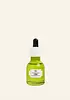
This hydrating oil is formulated around Simmondsia Chinensis Seed Oil and Squalane to hydrate skin and strengthen the skin barrier.
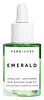
This hydrating oil is formulated around Squalane and Withania Somnifera Root Extract to hydrate skin and calm redness.


What's inside
What's inside
 Key Ingredients
Benefits
Concerns
Ingredients Side-by-side
Caprylic/Capric Triglyceride
Masking


Coco-Caprylate/Caprate
Emollient
Prunus Amygdalus Dulcis Oil
Skin Conditioning




Simmondsia Chinensis Seed Oil
Emollient
Squalane
Emollient
Cannabis Sativa Seed Oil
Emollient
Octyldodecanol
Emollient
Tocopheryl Acetate
Antioxidant


Parfum
Masking


Cannabidiol - Synthetically Produced
Antioxidant
Glycine Soja Oil
Emollient


Pogostemon Cablin Leaf Extract
Perfuming
Geraniol
Perfuming
Limonene
Perfuming
Citronellol
Perfuming
Linalool
Perfuming
Citral
Perfuming
Caprylic/Capric Triglyceride, Coco-Caprylate/Caprate, Prunus Amygdalus Dulcis Oil, Simmondsia Chinensis Seed Oil, Squalane, Cannabis Sativa Seed Oil, Octyldodecanol, Tocopheryl Acetate, Parfum, Cannabidiol - Synthetically Produced, Glycine Soja Oil, Pogostemon Cablin Leaf Extract, Geraniol, Limonene, Citronellol, Linalool, Citral
Squalane
Emollient
Limnanthes Alba Seed Oil
Skin Conditioning
Cannabis Sativa Seed Oil
Emollient
Caprylic/Capric Triglyceride
Masking
Withania Somnifera Root Extract
Skin Conditioning
Helianthus Annuus Seed Oil
Emollient
Lentinus Edodes Extract
Skin ConditioningBorago Officinalis Ethyl Ester
Skin ConditioningCannabidiol - Synthetically Produced
Antioxidant
Tocopheryl Acetate
Antioxidant
Helichrysum Stoechas Flower Extract
Perfuming
Cannabis Sativa Seed Extract
EmollientMelia Azadirachta Leaf Extract
Skin ConditioningMelia Azadirachta Flower Extract
Skin ConditioningAmino Esters-1
Skin ConditioningCoccinia Indica Fruit Extract
Skin Conditioning
Solanum Melongena Fruit Extract
Skin ConditioningAloe Barbadensis Flower Extract
EmollientOcimum Sanctum Leaf Extract
Skin ConditioningOcimum Basilicum Flower/Leaf Extract
TonicCurcuma Longa Root Extract
Antioxidant
Corallina Officinalis Extract
Skin Conditioning
Squalane, Limnanthes Alba Seed Oil, Cannabis Sativa Seed Oil, Caprylic/Capric Triglyceride, Withania Somnifera Root Extract, Helianthus Annuus Seed Oil, Lentinus Edodes Extract, Borago Officinalis Ethyl Ester, Cannabidiol - Synthetically Produced, Tocopheryl Acetate, Helichrysum Stoechas Flower Extract, Cannabis Sativa Seed Extract, Melia Azadirachta Leaf Extract, Melia Azadirachta Flower Extract, Amino Esters-1, Coccinia Indica Fruit Extract, Solanum Melongena Fruit Extract, Aloe Barbadensis Flower Extract, Ocimum Sanctum Leaf Extract, Ocimum Basilicum Flower/Leaf Extract, Curcuma Longa Root Extract, Corallina Officinalis Extract
Reviews
Ingredients Explained
These ingredients are found in both products.
Ingredients higher up in an ingredient list are typically present in a larger amount.
Synthethically produce Cannabidiol is a psychoactive substance made to mimic the effects of cannabis.
Cannabis Sativa Seed Oil is the fixed oil expressed from the seeds of the Cannabis sativa plant. This is also known as hemp oil.
Hemp oil is an emollient and nourishes the skin. It contains many fatty acids such as linoleic acid, amino acids, phospholipids, and vitamin E.
The difference between hemp and cannabis is their psychoactive component. Hemp has low amounts of THC.
Learn more about Cannabis Sativa Seed OilCaprylic/Capric Triglyceride (aka MCT Oil) is a lightweight emollient, solvent, and texture enhancer. It is considered a skin-softener by helping to prevent moisture loss.
Though it behaves like an oil, it is not technically one due to its chemical composition. One perk of this ingredient is that it is very stable, resistant to oxidation, and unlikely to go rancid.
In practice, that translates to a long shelf life and a consistently elegant skin feel.
While there is an assumption Caprylic Triglyceride can clog pores due to it being derived from coconut oil, there is no research supporting this. Just patch test if you have concerns.
Fractionated coconut oil and MCT Oil are both listed as Caprylic/Capric Triglyceride according to INCI. This is because INCI names are based on the ingredient’s final chemical composition and not its marketing name or source.
This ingredient is treated as the gold standard fungal acne safe oil. Even though it is coconut derived, the problematic lauric acid is stripped out.
This leaves just caprylic (C8) and capric (C10) acid. These chain lengths actually trend antifungal; a 2020 study found caprylic acid was enough to disrupt Malassezia furfur cell membrane, with a caprylic acid derivative damaging membrane structures at concentrations as low as 0.2%.
Learn more about Caprylic/Capric TriglycerideSqualane is the hydrogenated and shelf-stable form of squalene (a lipid that naturally occurs in human sebum).
It is an emollient and skin conditioning agent that is able to integrate seamlessly into the skin's lipid barrier without clogging pores.
This is due to how structurally similar it is to what your skin already produces.
Though it is mostly an emollient that helps soften and hydrate skin, it also has some humectant and occlusive action. Humectants help the skin retain moisture while occlusives seal it in, making squalane a triple-threat moisturizer.
Research shows it has antioxidant capabilities that help protect against stressors like UV exposure, specifically UVA induced oxidative stress. This study also found that it supports collagen biosynthesis in human dermal fibroblasts.
No clinical study has reported significant adverse effects and irritation reactions are very rare from this ingredient (even at 100% concentration).
Overall, it's a fantastic ingredient for hydration and is suitable for all skin types.
This depends on the source. Squalane can be derived from both plants and animals. Most squalane used in skincare comes from plants.
Please note: the source of squalane is only known if disclosed by the brand. We recommend reaching out to the brand if you have any questions about their squalane.
Read more about squalene with an "e".
Though squalane is often called an oil, it’s technically not one. It is a hydrocarbon, meaning it is only made of carbon and hydrogen. True oils are triglycerides and made of fatty acids and glycerol.
The term “oil-free” isn’t regulated so companies can define it however they want. Some exclude all oils, while others just avoid mineral oil or comedogenic oils.
Squalane has a comedogenic rating of 1 from the original 1972 study that tested raw ingredients under occlusion on rabbit ears. This system is not standardized or peer-reviewed, and using the raw ingredients is very different from how diluted cosmetic formulations are used on human skin.
A comedogenic rating of 1 means it is "unlikely to clog pores" according to the original rating system.
The overall formula of a product matters more than the individual ingredients on whether or not it will cause clogged pores.
Learn more about SqualaneTocopheryl Acetate is a stable, shelf-friendly form of vitamin E.
Formulators love it because plain vitamin E oxidizes quickly once it hits air. This acetate version stays stable and resists going off, helping to extend a product's shelf life.
It's actually inactive on its own and works like a slow-release "storage" form; the enzymes in your skin called esterases gradually convert it into active vitamin E over time.
One in vivo study showed 5% of the acetate in the living layer of the epidermis converted to vitamin E after 5 days of application. This study also found the skin gained protection against UV damage even though the conversion was slow and small.
Once converted, vitamin E acts as a skin's main fat-soluble antioxidant that fights free radicals to protect skin from damage.
Topical vitamin E generally boosts the skin's photoprotection, and it reduced UV-damage in animal models.
This ingredient has some brightening potential but it's more of a prevention ingredient than spot-fader. Cell studies show it can slow down melanin production but it's worth noting that it's not the most powerful brightener out there.
Overall, it has a pretty solid safety profile and has been found to be non-irritating and non-comedogenic. Allergic reactions may happen but stay rare due to how widely the ingredient gets used.
The concentration will vary depending on the formula; industry data shows 0.1% in baby lotions, 3% in lipsticks, and 5% in foot powders. You can also find this ingredient at 100% in a pure vitamin E oil.
Most leave-on skincare keeps it at the lower end, often between 0.5-1%.
Learn more about Tocopheryl Acetate

