

What's inside
What's inside
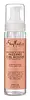 Key Ingredients
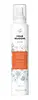
No key ingredients
Benefits
Concerns
Ingredients Side-by-side














Water
Skin ConditioningButane
Vp/Va Copolymer
Propane
Isobutane
Polyquaternium-11
Bisamino PEG/PPG-41/3 Aminoethyl Pg-Propyl Dimethicone

Zingiber Officinale Root Extract
Masking

PEG-12 Dimethicone
Skin Conditioning
Polyquaternium-10
Hydrolyzed Wheat Protein Pg-Propyl Silanetriol
Skin ConditioningBetaine
Humectant

Butylene Glycol
Humectant
Polysorbate 20
Emulsifying

Laureth-4
Emulsifying

Sodium Benzoate
Masking
Potassium Sorbate
Preservative
Sorbic Acid
Preservative
Phenoxyethanol
Preservative
Ethylhexylglycerin
Skin ConditioningWater, Butane, Vp/Va Copolymer, Propane, Isobutane, Polyquaternium-11, Bisamino PEG/PPG-41/3 Aminoethyl Pg-Propyl Dimethicone, Zingiber Officinale Root Extract, PEG-12 Dimethicone, Polyquaternium-10, Hydrolyzed Wheat Protein Pg-Propyl Silanetriol, Betaine, Butylene Glycol, Polysorbate 20, Laureth-4, Sodium Benzoate, Potassium Sorbate, Sorbic Acid, Phenoxyethanol, Ethylhexylglycerin
Reviews
Ingredients Explained
These ingredients are found in both products.
Ingredients higher up in an ingredient list are typically present in a larger amount.
Polyquaternium-10 is an ammonium salt of hydroxyethylcellulose. It is a white and granular powder used as a film-former and anti-static agent.
This ingredient is commonly found in hair conditioning products. According to a manufacturer, its positive charge makes it great for absorbing hair proteins. The manufacturer also states this ingredient helps with curl retention.
For haircare friends: this ingredient is not a silicone.
Learn more about Polyquaternium-10Potassium Sorbate is a preservative used to prevent yeast and mold in products. It is commonly found in both cosmetic and food products.
This ingredient comes from potassium salt derived from sorbic acid. Sorbic acid is a natural antibiotic and effective against fungus.
Both potassium sorbate and sorbic acid can be found in baked goods, cheeses, dried meats, dried fruit, ice cream, pickles, wine, yogurt, and more.
You'll often find this ingredient used with other preservatives.
Learn more about Potassium SorbateSodium Benzoate is a preservative. It's used in both cosmetic and food products to inhibit the growth of mold and bacteria. It is typically produced synthetically.
Both the US FDA and EU Health Committee have approved the use of sodium benzoate. In the US, levels of 0.1% (of the total product) are allowed.
Sodium benzoate works as a preservative by inhibiting the growth of bacteria inside of cells. It prevents the cell from fermenting a type of sugar using an enzyme called phosphofructokinase.
It is the salt of benzoic acid. Foods containing sodium benzoate include soda, salad dressings, condiments, fruit juices, wines, and snack foods.
Studies for using ascorbic acid and sodium benzoate in cosmetics are lacking, especially in skincare routines with multiple steps.
We always recommend speaking with a professional, such as a dermatologist, if you have any concerns.
Learn more about Sodium BenzoateWater. It's the most common cosmetic ingredient of all. You'll usually see it at the top of ingredient lists, meaning that it makes up the largest part of the product.
So why is it so popular? Water most often acts as a solvent - this means that it helps dissolve other ingredients into the formulation.
You'll also recognize water as that liquid we all need to stay alive. If you see this, drink a glass of water. Remember to stay hydrated!
Learn more about Water

