

What's inside
What's inside
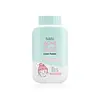 Key Ingredients
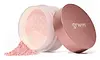
Benefits
Concerns
No concerns
Ingredients Side-by-side
Talc
Abrasive
Cyclopentasiloxane
Emollient
Silica
Abrasive

Zinc Oxide
Cosmetic Colorant

Caprylyl Glycol
Emollient
Magnesium Carbonate
AbsorbentCI 77007
Cosmetic ColorantCI 19140
Cosmetic ColorantNylon-12
BHT
Antioxidant
Butylene Glycol
Humectant

Water
Skin ConditioningMelaleuca Alternifolia Leaf Oil
Antioxidant





Tocopheryl Acetate
Antioxidant

Cocamidopropyl Dimethylamine
Emulsifying
Salicylic Acid
Masking




Centella Asiatica Extract
Cleansing



Polysorbate 80
Emulsifying
Anthemis Nobilis Flower Extract
Masking
Ascorbic Acid
Antioxidant

Beeswax
Emulsion Stabilising

Benzalkonium Chloride
Antimicrobial
Butyrospermum Parkii Leaf Extract
EmollientEthylhexylglycerin
Skin ConditioningFucus Vesiculosus Extract
Emollient
Glycerin
Humectant
Isomerized Safflower Acid
Skin ConditioningKaolin
Abrasive
Maltodextrin
Absorbent
Palmitic Acid
Emollient
Palmitoyl Tripeptide-5
Skin Conditioning
Phenoxyethanol
Preservative
Zinc Sulfate
Antimicrobial
Talc, Cyclopentasiloxane, Silica, Zinc Oxide, Caprylyl Glycol, Magnesium Carbonate, CI 77007, CI 19140, Nylon-12, BHT, Butylene Glycol, Water, Melaleuca Alternifolia Leaf Oil, Tocopheryl Acetate, Cocamidopropyl Dimethylamine, Salicylic Acid, Centella Asiatica Extract, Polysorbate 80, Anthemis Nobilis Flower Extract, Ascorbic Acid, Beeswax, Benzalkonium Chloride, Butyrospermum Parkii Leaf Extract, Ethylhexylglycerin, Fucus Vesiculosus Extract, Glycerin, Isomerized Safflower Acid, Kaolin, Maltodextrin, Palmitic Acid, Palmitoyl Tripeptide-5, Phenoxyethanol, Zinc Sulfate
Reviews
Ingredients Explained
These ingredients are found in both products.
Ingredients higher up in an ingredient list are typically present in a larger amount.
CI 19140 is also known as Tartrazine. Tartrazine is a synthetic dye used in cosmetics, foods, and medicine to add a yellow color.
Tartrazine is created from petroleum and is water-soluble.
Some people may experience allergies from this dye, especially asthmatics and those with an aspirin intolerance.
Learn more about CI 19140Ethylhexylglycerin is created from glycerin. It is a multitasker ingredient that:
The CIR Expert Panel found minimal skin absorption or sensitization of any kind in a safety assessment. Though this ingredient is considered well-tolerated, a small number of cases of allergic dermatitis have been published since 2002. Just be sure to patch test if you are unsure.
Industry-reported use ranges from 8% in rinse-off products and 2% in leave-on formulations.
Learn more about EthylhexylglycerinKaolin is a clay. It is used for oil control and to help minimize pores. Like other clays, kaolin has the ability to absorb excess sebum or oil. This can help clean out pores and mattify the skin.
Some types of kaolin may have exfoliating properties. When water is added to kaolin, it becomes a paste with small abrasive particles.
Most kaolin is a white color, but may be pink/orange/red depending on where it comes from.
The name 'kaolin' comes from a Chinese village named 'Gaoling'. Kaolin clay comes from rocks rich in kaolinite. Kaolinite, the mineral, has a silicate layered structure. Kaolinite is formed from chemical weathering of aluminum siilicate minerals.
Besides skincare, kaolin is commonly used to make glossy paper, in ceramics, toothpaste, and as medicine to soothe stomach issues.
Learn more about KaolinNylon-12 is a polymer. It is derived from 12-aminododecanoic acid, an omega-amino fatty acid
According to a manufacturer, it is a talc substitute. Like talc, nylon-12 gives products a satin feel. The manufacturer also claims this ingredients does not block pores and has moderate oil absorption.
This ingredient may not be reef-safe.
Learn more about Nylon-12Phenoxyethanol is one of the most widely used preservatives in skincare (and for good reason!).
It has a large spectrum of antimicrobial activity and especially effective bacteria, yeast, and mold while only having a weak effect on your skin's natural microbiome.
On a cellular level, it disrupts the cell membranes of microbes by poking holes that make the cell leak. This shuts down the chemical reactions the microbe needs to make energy so it can no longer survive.
Another perk of this ingredient is that it stays functional across a wide pH range (3-10).
You'll often see it paired with boosters like Ethylhexylglycerin; one study showed that a 1:9 ratio of Ethylhexylglycerin to Phenoxyethanol damages bacterial membranes as effectively as doubling the Phenoxyethanol concentration on its own.
Typical use concentrations range from 0.3-1% depending on the formula, and this ingredient is capped at 1% int the EU.
Safety-wise, the fear mongering does not hold up to the evidence. The EU's Scientific Committee on Consumer Safety and FDA consider it safe as a preservative at up to 1%, including for children of all ages.
Adverse systemic effects only showed up in animal studies at exposures roughly 200x higher than what people get from cosmetics. And despite its very widespread use, this ingredient is a rare sensitizer and allergic reactions are uncommon.
Learn more about Phenoxyethanol

