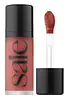
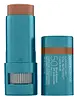
Saie Dew Blush Liquid Cheek Blush Versus Colorescience Sunforgettable Total Protection Color Balm SPF50 PA++++

What's inside
What's inside
 Key Ingredients
Benefits
Concerns
Ingredients Side-by-side
Isocetyl Stearoyl Stearate
Emollient

Glycerin
Humectant


Tribehenin
Emollient
Sambucus Nigra Fruit Extract
AstringentMica
Cosmetic ColorantGlyceryl Stearate
Emollient
Glycyrrhiza Glabra Root Extract
Bleaching



Silica
Abrasive


Morus Alba Root Extract
BleachingSymphytum Officinale Leaf Extract
Skin ConditioningOenothera Biennis Root Extract
Skin ConditioningTitanium Dioxide
Cosmetic Colorant

CI 77891
Cosmetic ColorantCI 77492
Cosmetic ColorantCI 77491
Cosmetic ColorantCI 77499
Cosmetic ColorantCI 15985
Cosmetic ColorantCI 15850
Cosmetic ColorantCI 45380
Cosmetic ColorantCI 77510
Cosmetic ColorantIsocetyl Stearoyl Stearate, Glycerin, Tribehenin, Sambucus Nigra Fruit Extract, Mica, Glyceryl Stearate, Glycyrrhiza Glabra Root Extract, Silica, Morus Alba Root Extract, Symphytum Officinale Leaf Extract, Oenothera Biennis Root Extract, Titanium Dioxide, CI 77891, CI 77492, CI 77491, CI 77499, CI 15985, CI 15850, CI 45380, CI 77510
Jojoba Esters
Emollient
Calcium Sodium Borosilicate
Synthetic Fluorphlogopite
Mica
Cosmetic ColorantButyloctyl Salicylate
Skin Conditioning
C26-28 Alkyl Dimethicone
Skin Conditioning
Squalane
Emollient
C18-36 Acid Triglyceride
EmollientGlyceryl Dibehenate
Emollient
Tridecyl Salicylate
Skin Conditioning
Euphorbia Cerifera Wax
Vp/Eicosene Copolymer
Tribehenin
Emollient
Methylpropanediol
SolventLecithin
Emollient
Dimethiconol
Emollient
Glyceryl Behenate
Emollient
Copernicia Cerifera Wax
Caprylyl Glycol
Emollient
Physalis Angulata Extract
Skin ProtectingCaprylic/Capric Triglyceride
Masking
Bisabolol
Antioxidant
Tocopheryl Acetate
Antioxidant
Phenylpropanol
Masking

Tin Oxide
Abrasive
Dimethylmethoxy Chromanol
Antioxidant
Dimethicone
Emollient
Tocopherol
Antioxidant
Iron Oxides
CI 77891
Cosmetic ColorantJojoba Esters, Calcium Sodium Borosilicate, Synthetic Fluorphlogopite, Mica, Butyloctyl Salicylate, C26-28 Alkyl Dimethicone, Squalane, C18-36 Acid Triglyceride, Glyceryl Dibehenate, Tridecyl Salicylate, Euphorbia Cerifera Wax, Vp/Eicosene Copolymer, Tribehenin, Methylpropanediol, Lecithin, Dimethiconol, Glyceryl Behenate, Copernicia Cerifera Wax, Caprylyl Glycol, Physalis Angulata Extract, Caprylic/Capric Triglyceride, Bisabolol, Tocopheryl Acetate, Phenylpropanol, Tin Oxide, Dimethylmethoxy Chromanol, Dimethicone, Tocopherol, Iron Oxides, CI 77891
Reviews
Ingredients Explained
These ingredients are found in both products.
Ingredients higher up in an ingredient list are typically present in a larger amount.
Ci 77891 is a white pigment from Titanium dioxide. It is naturally found in minerals such as rutile and ilmenite.
It's main function is to add a white color to cosmetics. It can also be mixed with other colors to create different shades.
Ci 77891 is commonly found in sunscreens due to its ability to block UV rays.
Learn more about CI 77891Mica is a naturally occurring mineral used to add shimmer and color in cosmetics. It can also help improve the texture of a product or give it an opaque, white/silver color.
Serecite is the name for very fine but ragged grains of mica.
This ingredient is often coated with metal oxides like titanium dioxide. Trace amounts of heavy metals may be found in mica, but these metals are not harmful in our personal products.
Mica has been used since prehistoric times throughout the world. Ancient Egyptian, Indian, Greek, Roman, Aztec, and Chinese civilizations have used mica.
Learn more about MicaTribehenin is the triglyceride of glycerin and behenic acid. It is an emollient that helps soften and condition skin.
Safety-wise, this is a well-vetted ingredient. Repeated-insult patch tests of 0.38% tribehenin did not trigger sensitization.
This ingredient may not be fungal acne safe because behenic acid falls into the chain-length range that Malassezia yeasts can feed on.
Learn more about Tribehenin

