Saie Airset Radiant Loose Setting Powder Versus Charlotte Tilbury Airbrush Brightening Flawless Finish Powder


What's inside
What's inside
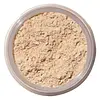 Key Ingredients
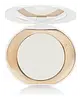
Benefits
Ingredients Side-by-side
Talc
Abrasive
Mica
Cosmetic ColorantMethyl Methacrylate Crosspolymer

Silica
Abrasive
Dimethicone
Emollient

Nylon-12

Lauroyl Lysine
Skin Conditioning
Zinc Stearate
Cosmetic ColorantCaprylic/Capric Glycerides
EmollientPentaerythrityl Tetraisostearate
Emollient
Water
Skin ConditioningEthylhexylglycerin
Skin ConditioningPotassium Sorbate
Preservative
Dimethiconol
Emollient
Sodium Hyaluronate
Humectant




Collagen Amino Acids
Moisturising
Sorbitol
Humectant
Leuconostoc/Radish Root Ferment Filtrate
Antimicrobial
Propanediol
Solvent
Humulus Lupulus Oil
Masking
1,2-Hexanediol
Skin Conditioning
Caprylyl Glycol
Emollient
Xanthan Gum
EmulsifyingAscorbic Acid
Antioxidant




Colloidal Gold
AntimicrobialGlutathione
Tin Oxide
Abrasive
CI 77891
Cosmetic ColorantIron Oxides
Talc, Mica, Methyl Methacrylate Crosspolymer, Silica, Dimethicone, Nylon-12, Lauroyl Lysine, Zinc Stearate, Caprylic/Capric Glycerides, Pentaerythrityl Tetraisostearate, Water, Ethylhexylglycerin, Potassium Sorbate, Dimethiconol, Sodium Hyaluronate, Collagen Amino Acids, Sorbitol, Leuconostoc/Radish Root Ferment Filtrate, Propanediol, Humulus Lupulus Oil, 1,2-Hexanediol, Caprylyl Glycol, Xanthan Gum, Ascorbic Acid, Colloidal Gold, Glutathione, Tin Oxide, CI 77891, Iron Oxides
Reviews
Ingredients Explained
These ingredients are found in both products.
Ingredients higher up in an ingredient list are typically present in a larger amount.
1,2-Hexanediol is a synthetic liquid and another multi-functional powerhouse.
It is a:
- Humectant, drawing moisture into the skin
- Emollient, helping to soften skin
- Solvent, dispersing and stabilizing formulas
- Preservative booster, enhancing the antimicrobial activity of other preservatives
Caprylyl Glycol is a humectant, skin conditioner, emollient, and preservative booster derived from either caprylic acid or synthetically created.
Typical use levels vary from 0.3-1% as a preservative booster and go up to 2% to condition skin.
Because it is not a free-fatty acid or alcohol, this ingredient is fungal acne safe (there's nothing for Malassezia to feed on).
Learn more about Caprylyl GlycolCi 77891 is a white pigment from Titanium dioxide. It is naturally found in minerals such as rutile and ilmenite.
It's main function is to add a white color to cosmetics. It can also be mixed with other colors to create different shades.
Ci 77891 is commonly found in sunscreens due to its ability to block UV rays.
Learn more about CI 77891Ethylhexylglycerin is created from glycerin. It is a multitasker ingredient that:
The CIR Expert Panel found minimal skin absorption or sensitization of any kind in a safety assessment. Though this ingredient is considered well-tolerated, a small number of cases of allergic dermatitis have been published since 2002. Just be sure to patch test if you are unsure.
Industry-reported use ranges from 8% in rinse-off products and 2% in leave-on formulations.
Learn more about EthylhexylglycerinSilica, also known as silicon dioxide, is a naturally occurring mineral. It is used as a fine, spherical, and porous powder in cosmetics.
Though it has exfoliant properties, the function of silica varies depending on the product.
The unique structure of silica enhances the spreadability and adds smoothness, making it a great texture enhancer.
It is also used as an active carrier, emulsifier, and mattifier due to its ability to absorb excess oil.
In some products, tiny microneedles called spicules are made from silica or hydrolyzed sponge. When you rub them in, they lightly polish away dead skin layers and enhance the penetration of active ingredients.
Learn more about Silica
