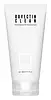
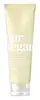
Rovectin Clean Green Papaya Pore Cleansing Foam Versus ma:nyo Our Vegan Heartleaf Cica Cleansing Foam
This mild foaming cleanser is mild enough to cleanse without leaving skin feeling tight or stripped.
This mild foaming cleanser is made to cleanse while calming and soothing your skin.

What's inside
What's inside
 Key Ingredients
Benefits
Concerns
Ingredients Side-by-side
Water
Skin ConditioningSodium Cocoyl Isethionate
Cleansing
Glycerin
Humectant


Sodium Lauroyl Glutamate
SurfactantHydroxypropyl Starch Phosphate
1,2-Hexanediol
Skin Conditioning
Potassium Cocoyl Glycinate
Surfactant
Carica Papaya Fruit Extract
Skin ConditioningPrunus Mume Fruit Extract
Humectant
Pyrus Malus Fruit Extract
Skin Conditioning
Vitis Vinifera Fruit Extract
Skin ConditioningPotassium Cocoate
Emulsifying

Ethylhexylglycerin
Skin ConditioningDisodium EDTA
ChelatingMelia Azadirachta Leaf Extract
Skin ConditioningAllantoin
Skin Conditioning

Moringa Oleifera Seed Extract
Skin Conditioning
Camellia Sinensis Leaf Extract
Antimicrobial




Melia Azadirachta Flower Extract
Skin ConditioningFicus Carica Fruit Extract
Humectant
Gaultheria Procumbens Leaf Extract
Perfuming
Monarda Didyma Leaf Extract
Skin ConditioningMentha Arvensis Leaf Extract
MaskingAcacia Concinna Fruit Extract
Skin ConditioningButylene Glycol
Humectant
Quillaja Saponaria Bark Extract
CleansingSaponaria Officinalis Leaf Extract
AntimicrobialSapindus Trifoliatus Fruit Extract
Skin ConditioningSapindus Mukorossi Peel Extract
Skin ConditioningCharcoal Powder
Abrasive

Panthenol
Skin Conditioning
Citric Acid
Buffering

Polyquaternium-67
Water, Sodium Cocoyl Isethionate, Glycerin, Sodium Lauroyl Glutamate, Hydroxypropyl Starch Phosphate, 1,2-Hexanediol, Potassium Cocoyl Glycinate, Carica Papaya Fruit Extract, Prunus Mume Fruit Extract, Pyrus Malus Fruit Extract, Vitis Vinifera Fruit Extract, Potassium Cocoate, Ethylhexylglycerin, Disodium EDTA, Melia Azadirachta Leaf Extract, Allantoin, Moringa Oleifera Seed Extract, Camellia Sinensis Leaf Extract, Melia Azadirachta Flower Extract, Ficus Carica Fruit Extract, Gaultheria Procumbens Leaf Extract, Monarda Didyma Leaf Extract, Mentha Arvensis Leaf Extract, Acacia Concinna Fruit Extract, Butylene Glycol, Quillaja Saponaria Bark Extract, Saponaria Officinalis Leaf Extract, Sapindus Trifoliatus Fruit Extract, Sapindus Mukorossi Peel Extract, Charcoal Powder, Panthenol, Citric Acid, Polyquaternium-67
Water
Skin ConditioningGlycerin
Humectant
Sodium Cocoyl Isethionate
Cleansing
Houttuynia Cordata Extract
Skin Conditioning
Hydroxypropyl Starch Phosphate
Potassium Cocoyl Glycinate
Surfactant
1,2-Hexanediol
Skin Conditioning
Centella Asiatica Extract
Cleansing
Bambusa Vulgaris Water
Skin ConditioningChamaecyparis Obtusa Water
MaskingBetula Platyphylla Japonica Juice
Skin Conditioning
Houttuynia Cordata Powder
Skin ConditioningMalt Extract
Skin ProtectingGluconolactone
Chelating
Potassium Cocoate
Emulsifying
Butylene Glycol
Humectant
Acrylates Copolymer
Ethylhexylglycerin
Skin ConditioningDisodium EDTA
ChelatingWater, Glycerin, Sodium Cocoyl Isethionate, Houttuynia Cordata Extract, Hydroxypropyl Starch Phosphate, Potassium Cocoyl Glycinate, 1,2-Hexanediol, Centella Asiatica Extract, Bambusa Vulgaris Water, Chamaecyparis Obtusa Water, Betula Platyphylla Japonica Juice, Houttuynia Cordata Powder, Malt Extract, Gluconolactone, Potassium Cocoate, Butylene Glycol, Acrylates Copolymer, Ethylhexylglycerin, Disodium EDTA
Reviews
Ingredients Explained
These ingredients are found in both products.
Ingredients higher up in an ingredient list are typically present in a larger amount.
1,2-Hexanediol is a synthetic liquid and another multi-functional powerhouse.
It is a:
- Humectant, drawing moisture into the skin
- Emollient, helping to soften skin
- Solvent, dispersing and stabilizing formulas
- Preservative booster, enhancing the antimicrobial activity of other preservatives
Butylene Glycol (or BG) is used within cosmetic products for a few different reasons:
Overall, Butylene Glycol is a safe and well-rounded ingredient that works well with other ingredients.
Though this ingredient works well with most skin types, some people with sensitive skin may experience a reaction such as allergic rashes, closed comedones, or itchiness.
Learn more about Butylene GlycolDisodium EDTA is a chelating agent. It grabs onto and deactivates metal ions that sneak into your products from water, packaging, or air.
This ingredient mainly works behind the scenes and helps with:
On top of that, this ingredient can counteract the effects of hard water by binding to the minerals in it.
One thing worth knowing is that Disodium EDTA has been shown to be a mild penetration enhancer. It can help other ingredients absorb into skin more effectively which can be a double-edged sword (great for actives, but can also make the active too strong if you have sensitive skin).
Clinical patch testing showed no significant skin irritation at typical use concentrations and minimal dermal absorption.
You'll most likely see this ingredient near the end of an ingredient list. It's typically found in concentrations less than 1%.
Learn more about Disodium EDTAEthylhexylglycerin is created from glycerin. It is a multitasker ingredient that:
The CIR Expert Panel found minimal skin absorption or sensitization of any kind in a safety assessment. Though this ingredient is considered well-tolerated, a small number of cases of allergic dermatitis have been published since 2002. Just be sure to patch test if you are unsure.
Industry-reported use ranges from 8% in rinse-off products and 2% in leave-on formulations.
Learn more about EthylhexylglycerinGlycerin (or glycerol) is a compound naturally found in your skin. It's a powerhouse humectant that pulls water into the stratum corneum.
Topically, glycerin does several things at once:
Your skin makes glycerin on its own (mostly from sebaceous oil breakdown) and shuttles it to your outermost layer of skin, or your epidermis, via aquaporin-3.
Aquaporin-3 is a transporter that is essential for normal skin hydration, elasticity, and repair. Interestingly, mice lacking in AQP3 have dry and less elastic skin that can be fully corrected with glycerin.
This ingredient is non-irritating, plays well with almost every ingredient, and works across all skin types. Typical use is anywhere between 3-10% but can go up to 79% in some leave-on products.
Just know very high concentrations (>40%) can feel tacky in low humidity.
Glycerin is the name for this ingredient in American English. British English uses Glycerol/Glycerine.
Learn more about GlycerinHydroxypropyl Starch Phosphate is a modified starch used to help thicken a product.
It is also used in foods.
Potassium Cocoate is basically a liquid coconut soap that's made by cooking coconut oil with potassium hydroxide.
It's a cleanser, foaming, and emulsifying agent that mostly shows up in soaps and "natural" cleansers.
Rinse-off concentrations typically range from 2-25%.
The finished product sits at a fairly high pH (~9-11) because it's a true soap. This just means it can feel drying or slightly stripping if a formula isn't balance with emollients.
Allergy and irritation risk is low as this ingredient was found to be an irritant in less than 1% of subjects (2 of these subjects had active psoriasis and 3 had active eczema).
Fungal acne: The Malassezia yeast feeds on fatty acids in the ~C12-24 range, and Potassium Cocoate is made of exactly those (Lauric C12, Myristic C14, Palmitic C16, Oleic C18:1). Lab studies have shown the yeast can take up Lauric Acid and grows readily on Palmitic Acid. Therefore, this ingredient may not be fungal acne safe.
Learn more about Potassium CocoatePotassium Cocoyl Glycinate is an amino acid-based surfactant and cleaning agent. This ingredient can be derived from animals or plants. It may also be synthetically created from fatty acids of the coconut and glycine.
Potassium Cocoyl Glycinate is a gentle surfactant. Surfactants help gather the dirt, oil, and other pollutants from your skin to be rinsed away. It is a mild cleanser and naturally produces foam.
Sodium cocoyl isethionate is a natural ingredient from coconut oil. It is an ultra gentle cleanser that gives a nice foam without drying the skin or impacting the skin barrier.
The amount of foam created depends on the amount of sodium cocoyl isethionate used in the product.
This ingredient also helps improve the spreadability of a product.
This ingredient hasn’t been shown in studies to feed fungal acne yeast.
Learn more about Sodium Cocoyl IsethionateWater. It's the most common cosmetic ingredient of all. You'll usually see it at the top of ingredient lists, meaning that it makes up the largest part of the product.
So why is it so popular? Water most often acts as a solvent - this means that it helps dissolve other ingredients into the formulation.
You'll also recognize water as that liquid we all need to stay alive. If you see this, drink a glass of water. Remember to stay hydrated!
Learn more about Water

