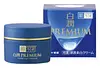
This brightening moisturizer is formulated around Tranexamic Acid and Tocopherol to fade the look of dark spots and brighten dull-looking skin.
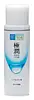
This hydrating toner is formulated around Sodium Hyaluronate and Hydrolyzed Hyaluronic Acid to hydrate skin and strengthen the skin barrier.

What's inside
What's inside
 Key Ingredients
Benefits
Concerns
No concerns
Ingredients Side-by-side
Tranexamic Acid
Astringent




Cetyl Phosphate
EmulsifyingTocopherol
Antioxidant




Sodium Hyaluronate
Humectant
Hydrolyzed Hyaluronic Acid
Humectant
Squalane
Emollient
Butyrospermum Parkii Butter
Skin Conditioning




Dipropylene Glycol
HumectantDiglycerin
Humectant
Limnanthes Alba Seed Oil
Skin Conditioning
Dimethicone
Emollient
Glyceryl Stearate
Emollient
PEG-20 Sorbitan Isostearate
Emulsifying
Carbomer
Emulsion StabilisingEDTA
Hydroxyethylcellulose
Emulsion StabilisingSodium Metabisulfite
Antioxidant
Behenyl Alcohol
Emollient
Stearyl Alcohol
Emollient
Phenoxyethanol
Preservative
Methylparaben
Preservative

Tranexamic Acid, Cetyl Phosphate, Tocopherol, Sodium Hyaluronate, Hydrolyzed Hyaluronic Acid, Squalane, Butyrospermum Parkii Butter, Dipropylene Glycol, Diglycerin, Limnanthes Alba Seed Oil, Dimethicone, Glyceryl Stearate, PEG-20 Sorbitan Isostearate, Carbomer, EDTA, Hydroxyethylcellulose, Sodium Metabisulfite, Behenyl Alcohol, Stearyl Alcohol, Phenoxyethanol, Methylparaben
Lactococcus/Hyaluronic Acid Ferment Filtrate
Sodium Hyaluronate
Humectant
Hydrolyzed Hyaluronic Acid
Humectant
Sodium Acetylated Hyaluronate
Humectant
Water
Skin ConditioningButylene Glycol
Humectant
Glycerin
Humectant
PPG-10 Methyl Glucose Ether
Skin ConditioningDisodium Succinate
MaskingHydroxyethylcellulose
Emulsion StabilisingSuccinic Acid
BufferingPentylene Glycol
Skin Conditioning
Dipropylene Glycol
HumectantDiglycerin
Humectant
Phenoxyethanol
Preservative
Disodium EDTA
Lactococcus/Hyaluronic Acid Ferment Filtrate, Sodium Hyaluronate, Hydrolyzed Hyaluronic Acid, Sodium Acetylated Hyaluronate, Water, Butylene Glycol, Glycerin, PPG-10 Methyl Glucose Ether, Disodium Succinate, Hydroxyethylcellulose, Succinic Acid, Pentylene Glycol, Dipropylene Glycol, Diglycerin, Phenoxyethanol, Disodium EDTA
Reviews
Ingredients Explained
These ingredients are found in both products.
Ingredients higher up in an ingredient list are typically present in a larger amount.
Diglycerin is a humectant. It is derived from glycerin, which is naturally found in your skin.
As a humectant, it helps draw moisture to the skin from the air.
Dipropylene Glycol is a synthetically created humectant, stabilizer, and solvent.
This ingredient helps:
Dipropylene glycol is technically an alcohol, but it belongs to the glycol family (often considered part of the ‘good’ alcohols). This means it is hydrating and gentle on skin unlike drying solvent alcohols like denatured alcohol.
As a masking agent, Dipropylene Glycol can be used to cover the smell of other ingredients. However, it does not have a scent.
Studies show Dipropylene Glycol is considered safe to use in skincare.
Learn more about Dipropylene GlycolHydrolyzed Hyaluronic Acid is hyaluronic acid (HA) that is broken down into lower molecular weight fragments.
It's a humectant that pulls and holds water in the skin to help with hydration, plumpness, and reduce transepidermal water loss.
Because hydrolyzed hyaluronic acid is smaller in size, it can slip past your outermost layer of skin more easily than full-sized HA.
Most formulations will combine all sizes to get the best of both worlds.
Typical usage levels range from 0.01-1%. Any percentage higher than 2% might become goopy and tacky.
Learn more about Hydrolyzed Hyaluronic AcidHydroxyethylcellulose is used to improve the texture of products. It is created from a chemical reaction involving ethylene oxide and alkali-cellulose. Cellulose is a sugar found in plant cell walls and help give plants structure.
This ingredient helps stabilize products by preventing ingredients from separating. It can also help thicken the texture of a product.
This ingredient can also be found in pill medicines to help our bodies digest other ingredients.
Learn more about HydroxyethylcellulosePhenoxyethanol is one of the most widely used preservatives in skincare (and for good reason!).
It has a large spectrum of antimicrobial activity and especially effective bacteria, yeast, and mold while only having a weak effect on your skin's natural microbiome.
On a cellular level, it disrupts the cell membranes of microbes by poking holes that make the cell leak. This shuts down the chemical reactions the microbe needs to make energy so it can no longer survive.
Another perk of this ingredient is that it stays functional across a wide pH range (3-10).
You'll often see it paired with boosters like Ethylhexylglycerin; one study showed that a 1:9 ratio of Ethylhexylglycerin to Phenoxyethanol damages bacterial membranes as effectively as doubling the Phenoxyethanol concentration on its own.
Typical use concentrations range from 0.3-1% depending on the formula, and this ingredient is capped at 1% int the EU.
Safety-wise, the fear mongering does not hold up to the evidence. The EU's Scientific Committee on Consumer Safety and FDA consider it safe as a preservative at up to 1%, including for children of all ages.
Adverse systemic effects only showed up in animal studies at exposures roughly 200x higher than what people get from cosmetics. And despite its very widespread use, this ingredient is a rare sensitizer and allergic reactions are uncommon.
Learn more about PhenoxyethanolSodium Hyaluronate is the salt form of hyaluronic acid. It is a long sugar chain that is naturally found in your skin, joints, and connective tissue that maintains hydration and elasticity.
In skincare, it works as a humectant. It pulls water from the environment and deeper layers of skin and binds it to the surface.
Interestingly, the size of the molecule affects its behavior:
Some clinical evidence links low molecular weight versions to improved wrinkle depth, elasticity, anti-inflammatory effects, and barrier repair.
Many serums use a blend of both weights so you can get surface hydration plus longer-lasting and deeper effects.
You'll typically see concentrations between 0.1-2% for this ingredient.
Learn more about Sodium Hyaluronate

