

What's inside
What's inside
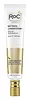 Key Ingredients
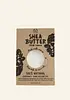
No key ingredients
Benefits
Concerns
Ingredients Side-by-side
Water
Skin ConditioningDimethicone
Emollient

Glycerin
Humectant

Ethylhexyl Hydroxystearate
Emollient

Isodecyl Neopentanoate
EmollientTetrahydroxypropyl Ethylenediamine
Stearyl Alcohol
Emollient
Cetearyl Alcohol
Emollient



Glyceryl Stearate
Emollient
PEG-100 Stearate
Surfactant
Ceteareth-20
CleansingSteareth-10
Emulsifying
Methyl Methacrylate Crosspolymer

Phenoxyethanol
Preservative
Hydroxyethyl Acrylate/Sodium Acryloyldimethyl Taurate Copolymer
Emulsion StabilisingCaprylyl Glycol
Emollient
Aluminum Starch Octenylsuccinate
Absorbent
Glycolic Acid
Buffering








Squalane
Emollient
Parfum
Masking

Butyrospermum Parkii Butter
Skin Conditioning
Methylparaben
Preservative

Citric Acid
Buffering
Xanthan Gum
EmulsifyingPropylparaben
Preservative
Retinol
Skin Conditioning
Polysorbate 20
Emulsifying
BHT
Antioxidant
Disodium EDTA
Polysorbate 60
Emulsifying
Ascorbic Acid
Antioxidant
Magnesium Aspartate
Skin ConditioningZinc Gluconate
Skin Conditioning
Sorbitan Isostearate
Emulsifying
Copper Gluconate
Skin Conditioning
Water, Dimethicone, Glycerin, Ethylhexyl Hydroxystearate, Isodecyl Neopentanoate, Tetrahydroxypropyl Ethylenediamine, Stearyl Alcohol, Cetearyl Alcohol, Glyceryl Stearate, PEG-100 Stearate, Ceteareth-20, Steareth-10, Methyl Methacrylate Crosspolymer, Phenoxyethanol, Hydroxyethyl Acrylate/Sodium Acryloyldimethyl Taurate Copolymer, Caprylyl Glycol, Aluminum Starch Octenylsuccinate, Glycolic Acid, Squalane, Parfum, Butyrospermum Parkii Butter, Methylparaben, Citric Acid, Xanthan Gum, Propylparaben, Retinol, Polysorbate 20, BHT, Disodium EDTA, Polysorbate 60, Ascorbic Acid, Magnesium Aspartate, Zinc Gluconate, Sorbitan Isostearate, Copper Gluconate
Reviews
Ingredients Explained
These ingredients are found in both products.
Ingredients higher up in an ingredient list are typically present in a larger amount.
This ingredient is also known as shea butter. It is a plant-derived extract from the nuts of the Africa shea tree and one of the most well-studied emollients.
Because it has a high concentration of fatty acids (primarily oleic, stearic, and linoleic) it is able to form a protective barrier on the skin's surface. This helps seal in moisture and prevents transepidermal water loss (TEWL).
In vitro research found an increase in skin hydration by 58% and a decrease in TEWL by 37.8% after 24 hours of applying this ingredient (pretty impressive for a single ingredient!).
Besides hydration, shea butter also contains triterpenes that have anti-inflammatory potential. In particule, lupeol cinnamate has shown the highest anti-inflammatory activity in vivo.
Shea butter also contains vitamins A and E which may contribute to antioxidant activity.
While Shea Butter has an SPF rating of about 3-4, it is not a sunscreen replacement.
This ingredient may not be fungal acne safe because its fatty acids fall within the C11-C24 range that the Malassezia yeast can metabolize.
Learn more about Butyrospermum Parkii ButterCitric Acid is an alpha hydroxy acid (AHA) naturally found in citrus fruits like oranges, lemons, and limes.
Like other AHAs, citric acid can exfoliate skin by breaking down the bonds that hold dead skin cells together. This helps reveal smoother and brighter skin underneath.
However, this exfoliating effect only happens at high concentrations (20%) which can be hard to find in cosmetic products.
Due to this, citric acid is usually included in small amounts as a pH adjuster. This helps keep products slightly more acidic and compatible with skin's natural pH.
In skincare formulas, citric acid can:
While it can provide some skin benefits, research shows lactic acid and glycolic acid are generally more effective and less irritating exfoliants.
Most citric acid used in skincare today is made by fermenting sugars (usually from molasses). This synthetic version is identical to the natural citrus form but easier to stabilize and use in formulations.
Read more about some other popular AHA's here:
Learn more about Citric Acid

