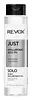
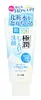
REVOX B77 Face Washing Gel with 3% Hyaluronic Acid Versus Hada Labo Gokujyun Hyaluronic Acid Face Wash
This mild gel cleanser is made to cleanse without leaving your skin tight or dry.


What's inside
What's inside
 Key Ingredients
Benefits
Concerns
Ingredients Side-by-side




Water
Skin ConditioningGlycerin
Humectant


Glycylglycine
Butylene Glycol
Humectant
Hydroxypropyl Starch Phosphate
Cocamidopropyl Betaine
Cleansing



PEG-400
Emulsion StabilisingDecyl Glucoside
Cleansing
Zinc Lauroyl Aspartate
Tea-Cocoyl Glycinate
Cleansing
Sodium Stearoyl Glutamate
CleansingGlyceryl Stearate
Emollient
Hyaluronic Acid
Humectant

Hydroxypropyltrimonium Hyaluronate
Citric Acid
Buffering

Stearic Acid
Cleansing
Lauric Acid
Cleansing
PEG-32
HumectantDisodium EDTA
Polyquaternium-7
Hydroxypropyl Methylcellulose
Emulsion StabilisingPolyquaternium-52
Methylparaben
Preservative


Propylparaben
Preservative
BHT
Antioxidant
Water, Glycerin, Glycylglycine, Butylene Glycol, Hydroxypropyl Starch Phosphate, Cocamidopropyl Betaine, PEG-400, Decyl Glucoside, Zinc Lauroyl Aspartate, Tea-Cocoyl Glycinate, Sodium Stearoyl Glutamate, Glyceryl Stearate, Hyaluronic Acid, Hydroxypropyltrimonium Hyaluronate, Citric Acid, Stearic Acid, Lauric Acid, PEG-32, Disodium EDTA, Polyquaternium-7, Hydroxypropyl Methylcellulose, Polyquaternium-52, Methylparaben, Propylparaben, BHT
Reviews
Ingredients Explained
These ingredients are found in both products.
Ingredients higher up in an ingredient list are typically present in a larger amount.
Cocamidopropyl Betaine is a fatty acid created by mixing similar compounds in coconut oil and dimethylaminopropylamine, a compound with two amino groups.
This ingredient is a surfactant and cleanser. It helps gather the dirt, pollutants, and other impurities in your skin to be washed away. It also helps thicken a product and make the texture more creamy.
Being created from coconut oil means Cocamidopropyl Betaine is hydrating for the skin.
While Cocamidopropyl Betaine was believed to be an allergen, a study from 2012 disproved this. It found two compounds in unpure Cocamidopropyl Betaine to be the irritants: aminoamide and 3-dimethylaminopropylamine. High-grade and pure Cocamidopropyl Betaine did not induce allergic reactions during this study.
Learn more about Cocamidopropyl BetaineDisodium EDTA is a chelating agent. It grabs onto and deactivates metal ions that sneak into your products from water, packaging, or air.
This ingredient mainly works behind the scenes and helps with:
On top of that, this ingredient can counteract the effects of hard water by binding to the minerals in it.
One thing worth knowing is that Disodium EDTA has been shown to be a mild penetration enhancer. It can help other ingredients absorb into skin more effectively which can be a double-edged sword (great for actives, but can also make the active too strong if you have sensitive skin).
Clinical patch testing showed no significant skin irritation at typical use concentrations and minimal dermal absorption.
You'll most likely see this ingredient near the end of an ingredient list. It's typically found in concentrations less than 1%.
Learn more about Disodium EDTAGlycerin (or glycerol) is a compound naturally found in your skin. It's a powerhouse humectant that pulls water into the stratum corneum.
Topically, glycerin does several things at once:
Your skin makes glycerin on its own (mostly from sebaceous oil breakdown) and shuttles it to your outermost layer of skin, or your epidermis, via aquaporin-3.
Aquaporin-3 is a transporter that is essential for normal skin hydration, elasticity, and repair. Interestingly, mice lacking in AQP3 have dry and less elastic skin that can be fully corrected with glycerin.
This ingredient is non-irritating, plays well with almost every ingredient, and works across all skin types. Typical use is anywhere between 3-10% but can go up to 79% in some leave-on products.
Just know very high concentrations (>40%) can feel tacky in low humidity.
Glycerin is the name for this ingredient in American English. British English uses Glycerol/Glycerine.
Learn more about GlycerinWater. It's the most common cosmetic ingredient of all. You'll usually see it at the top of ingredient lists, meaning that it makes up the largest part of the product.
So why is it so popular? Water most often acts as a solvent - this means that it helps dissolve other ingredients into the formulation.
You'll also recognize water as that liquid we all need to stay alive. If you see this, drink a glass of water. Remember to stay hydrated!
Learn more about Water

