This makeup remover is made to dissolve makeup, sunscreen, and daily buildup.
This mild gel cleanser is made to cleanse without leaving your skin tight or dry.

What's inside
What's inside
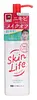 Key Ingredients
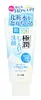
Benefits
Concerns
Ingredients Side-by-side
O-Cymen-5-Ol
Antimicrobial
Glycyrrhizic Acid
HumectantEthoxydiglycol
HumectantGlyceryl Stearate
Emollient

PPG-13-Decyltetradeceth-24
EmulsifyingCentella Asiatica Leaf Extract
Skin Conditioning



Sodium Hyaluronate
Humectant

Papain
Skin Conditioning
Coix Lacryma-Jobi Ma-Yuen Seed Extract
Skin ConditioningDextrin
AbsorbentButylene Glycol
Humectant
Acrylates/C10-30 Alkyl Acrylate Crosspolymer
Emulsion StabilisingHydroxypropyl Methylcellulose
Emulsion StabilisingParfum
Masking



Disodium EDTA
Methylparaben
Preservative

Sodium Hydroxide
BufferingO-Cymen-5-Ol, Glycyrrhizic Acid, Ethoxydiglycol, Glyceryl Stearate, PPG-13-Decyltetradeceth-24, Centella Asiatica Leaf Extract, Sodium Hyaluronate, Papain, Coix Lacryma-Jobi Ma-Yuen Seed Extract, Dextrin, Butylene Glycol, Acrylates/C10-30 Alkyl Acrylate Crosspolymer, Hydroxypropyl Methylcellulose, Parfum, Disodium EDTA, Methylparaben, Sodium Hydroxide
Water
Skin ConditioningGlycerin
Humectant
Glycylglycine
Butylene Glycol
Humectant
Hydroxypropyl Starch Phosphate
Cocamidopropyl Betaine
Cleansing
PEG-400
Emulsion StabilisingDecyl Glucoside
Cleansing
Zinc Lauroyl Aspartate
Tea-Cocoyl Glycinate
Cleansing
Sodium Stearoyl Glutamate
CleansingGlyceryl Stearate
Emollient
Hyaluronic Acid
Humectant
Hydroxypropyltrimonium Hyaluronate
Citric Acid
Buffering

Stearic Acid
Cleansing
Lauric Acid
Cleansing
PEG-32
HumectantDisodium EDTA
Polyquaternium-7
Hydroxypropyl Methylcellulose
Emulsion StabilisingPolyquaternium-52
Methylparaben
Preservative
Propylparaben
Preservative
BHT
Antioxidant
Water, Glycerin, Glycylglycine, Butylene Glycol, Hydroxypropyl Starch Phosphate, Cocamidopropyl Betaine, PEG-400, Decyl Glucoside, Zinc Lauroyl Aspartate, Tea-Cocoyl Glycinate, Sodium Stearoyl Glutamate, Glyceryl Stearate, Hyaluronic Acid, Hydroxypropyltrimonium Hyaluronate, Citric Acid, Stearic Acid, Lauric Acid, PEG-32, Disodium EDTA, Polyquaternium-7, Hydroxypropyl Methylcellulose, Polyquaternium-52, Methylparaben, Propylparaben, BHT
Reviews
Alternatives
Ingredients Explained
These ingredients are found in both products.
Ingredients higher up in an ingredient list are typically present in a larger amount.
Butylene Glycol (or BG) is used within cosmetic products for a few different reasons:
Overall, Butylene Glycol is a safe and well-rounded ingredient that works well with other ingredients.
Though this ingredient works well with most skin types, some people with sensitive skin may experience a reaction such as allergic rashes, closed comedones, or itchiness.
Learn more about Butylene GlycolDisodium EDTA is a chelating agent. It grabs onto and deactivates metal ions that sneak into your products from water, packaging, or air.
This ingredient mainly works behind the scenes and helps with:
On top of that, this ingredient can counteract the effects of hard water by binding to the minerals in it.
One thing worth knowing is that Disodium EDTA has been shown to be a mild penetration enhancer. It can help other ingredients absorb into skin more effectively which can be a double-edged sword (great for actives, but can also make the active too strong if you have sensitive skin).
Clinical patch testing showed no significant skin irritation at typical use concentrations and minimal dermal absorption.
You'll most likely see this ingredient near the end of an ingredient list. It's typically found in concentrations less than 1%.
Learn more about Disodium EDTAGlyceryl Stearate is made by reacting glycerin with stearic acid (typically sourced from plant oils like palm or coconut). It's an emulsifier, emollient, and mild occlusive.
Emulsifiers help ingredients like oil and water stay mixed so your formula stays nicely blended and uniform in texture.
This ingredient is typically used in concentrations between 1-10%. Studies have found it to be non-sensitizing, non-phototoxic, and non-photoallergenic.
A close cousin of this ingredient is Glyceryl Stearate SE ("self-emulsifying"). This just has a small amount of sodium or potassium stearate added so it can emulsify without a co-emulsifier.
Since this ingredient is an ester of a C18 fatty acid, it may not be fungal acne safe. The Malassezia yeast can potentially metabolize within the C11-C24 range.
Fun fact: The human body also creates Glyceryl Stearate naturally.
Learn more about Glyceryl StearateThis ingredient is a semi-synthetic polymer created from cellulose. In case you need a refresher, cellulose is the main component of plant cell walls.
Hydroxypropyl Methylcellulose has many uses:
- emulsifier
- create a gel-like texture
- boost foam
Methylparaben is a synthetic preservative and one of the most widely used in the world. It has a simple, but important job: prevent your products from going bad by stopping bacteria, yeast, and mold from growing.
Typical use levels are low, often 0.1-0.3%.
This is also one of the most heavily studied preservatives out there and major regulatory bodies have repeatedly given it the green light.
In 2023, the EU's Scientific Committee on Consumer Safety (SCCS) confirmed that this ingredient is safe up to 0.4% on its own, of up to 0.8% when mixed with other paraben esters.
Here's the science behind the noise behind parabens/hormones as well:
Methylparaben shows very weak estrogen-like activity in vitro tests (more than 1,000x weaker than your body's own estradiol). In vivo (live-organism) studies don't support a meaningful endocrine-disrupting effect either.
You get a stronger estrogenic effect from eating tofu, actually.
It's also a low sensitizer and allergic reactions are uncommon; they usually happen on damage or broken skin.
There is a caveat: France has proposed to formally re-examine its endocrine classification in 2025 so the regulatory conversation isn't fully closed as of yet.
But as it stands today, this ingredient is considered safe at permitted levels.
Learn more about Methylparaben

