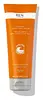
REN Clean Skincare Radiance AHA Smart Renewal Body Serum Versus Geek & Gorgeous Cheer Up 6% Mandelic + BHA Liquid
This smoothing exfoliator is formulated around Mandelic Acid and Salicylic Acid to refine skin texture and clear breakouts.


What's inside
What's inside
 Key Ingredients
Benefits
Concerns
Ingredients Side-by-side
Water
Skin ConditioningButyrospermum Parkii Butter
Skin Conditioning






Lactic Acid
Buffering








Sodium Lactate
Buffering
Lactococcus Ferment Lysate
Skin Conditioning
Lysolecithin
EmulsifyingSclerotium Gum
Emulsion StabilisingXylitylglucoside
Humectant
Xanthan Gum
EmulsifyingAnhydroxylitol
Humectant
Pullulan
Parfum
Masking

Mannitol
Humectant
Xylitol
Humectant
Sodium Benzoate
Masking
Citrus Aurantium Dulcis Flower Oil
Astringent
Citrus Grandis Peel Oil
Masking

Citrus Nobilis Peel Oil
Masking
Citrus Tangerina Peel Oil
Masking
Tocopheryl Acetate
Antioxidant

Potassium Sorbate
Preservative
Faex Extract
Skin ConditioningGlucose
Humectant
Silica
Abrasive
Sodium Chloride
MaskingGlycogen
HumectantMagnesium Ascorbyl Phosphate
Antioxidant
Citric Acid
Buffering
Citral
Perfuming
Limonene
Perfuming
Linalool
Perfuming
Water, Butyrospermum Parkii Butter, Lactic Acid, Sodium Lactate, Lactococcus Ferment Lysate, Lysolecithin, Sclerotium Gum, Xylitylglucoside, Xanthan Gum, Anhydroxylitol, Pullulan, Parfum, Mannitol, Xylitol, Sodium Benzoate, Citrus Aurantium Dulcis Flower Oil, Citrus Grandis Peel Oil, Citrus Nobilis Peel Oil, Citrus Tangerina Peel Oil, Tocopheryl Acetate, Potassium Sorbate, Faex Extract, Glucose, Silica, Sodium Chloride, Glycogen, Magnesium Ascorbyl Phosphate, Citric Acid, Citral, Limonene, Linalool


Reviews
Ingredients Explained
These ingredients are found in both products.
Ingredients higher up in an ingredient list are typically present in a larger amount.
This ingredient is created from dehydrating xylitol in acidic conditions. Xylitol is a famous sugar and humectant.
Much like its predecessor, anhydroxylitol is a humectant. Humectants attract and hold water to moisturize the skin.
This ingredient is most commonly found in a popular trio called Aquaxyl. Aquaxyl is made up of anhydroxylitol (24 - 34%), xylitylglucoside (35 - 50%), and xylitol (5 - 15%).
According to a manufacturer, Aquaxyl is known for a 3-D hydration concept and an anti-dehydration shield to reinforce the outer layer of skin.
This ingredient is often derived from plants such as wood and sugarcane.
Learn more about AnhydroxylitolGlucose is a simple sugar (a monosaccharide). In skincare, it is mostly a humectant and skin conditioning agent.
Mechanistically, it has multiple hydroxyl groups that hydrogen-bond to water. This pulls moisture into the upper layers of skin to keep the surface soft and hydrated.
It's worth knowing sugars are already a natural component of the skin's NMF (natural moisturizing factor) so it's a molecule that your stratum corneum is well-acquainted with.
Just so you know, glucose is hydrophilic (water-loving) and the stratum corneum is a strong barrier to hydrophilic compounds. This just means penetration is slow and most of the action is happening on the surface.
Gram-to-gram, glucose is not as efficient as a humectant as glycerin. This is why you'll likely see glycose paired with stronger humectants for a bigger hydration payoff.
In skincare, glucose is typically derived from corn or other starch sources.
Learn more about GlucoseWater. It's the most common cosmetic ingredient of all. You'll usually see it at the top of ingredient lists, meaning that it makes up the largest part of the product.
So why is it so popular? Water most often acts as a solvent - this means that it helps dissolve other ingredients into the formulation.
You'll also recognize water as that liquid we all need to stay alive. If you see this, drink a glass of water. Remember to stay hydrated!
Learn more about WaterXanthan gum is used as a stabilizer and thickener within cosmetic products. It helps give products a sticky, thick feeling - preventing them from being too runny.
On the technical side of things, xanthan gum is a polysaccharide - a combination consisting of multiple sugar molecules bonded together.
Xanthan gum is a pretty common and great ingredient. It is a natural, non-toxic, non-irritating ingredient that is also commonly used in food products.
Learn more about Xanthan GumXylitol is a humectant and prebiotic. It can help with dry skin.
In studies, xylitol has been shown to improve dry skin. It decreased transepidermal water loss, or when water passes through the skin and evaporates. Xylitol also showed to help improve the biomechanical properties of the skin barrier.
The prebiotic property of xylitol may also help reinforce our skin's natural microbiome. Having a healthy microbiome prevents infection by bad bacteria and helps with hydration.
As a humectant, Xylitol helps draw moisture from both the air and from deeper skin layers. This helps keep skin hydrated.
Xylitol is a sugar alcohol and commonly used as a sugar substitute. It is naturally occurring in plants such as strawberries and pumpkin.
Learn more about XylitolXylitylglucoside is created from xylitol and glucose, two humectants.
Not surprisingly, this ingredient is also a humectant. It attracts and holds water in your skin, helping to maintain hydration.
This ingredient is most commonly found in a popular trio called Aquaxyl. Aquaxyl is made up of anhydroxylitol(24 - 34%), xylitylglucoside (35 - 50%), and xylitol (5 - 15%).
According to a manufacturer, Aquaxyl is known for a 3-D hydration concept and an anti-dehydration shield to reinforce the outer layer of skin.
Learn more about Xylitylglucoside

