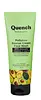
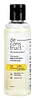
Quench Botanics Pollution Rescue Cream Face Wash Versus Deconstruct Niacinamide Brightening Face Wash
This mild cream cleanser is mild enough to cleanse without leaving skin feeling tight or stripped.

What's inside
What's inside
 Key Ingredients
Benefits
Concerns
Ingredients Side-by-side
Glycerin
Humectant


Water
Skin ConditioningSodium Cocoyl Isethionate
Cleansing
Hydroxypropyl Starch Phosphate
Sodium Cocoyl Glutamate
Cleansing
1,2-Hexanediol
Skin Conditioning
Gluconolactone
Chelating






Parfum
Masking




Ethylhexylglycerin
Skin ConditioningDisodium EDTA
ChelatingButylene Glycol
Humectant
Persea Gratissima Fruit Extract
EmollientMoringa Oleifera Seed Extract
Skin Conditioning
Oryza Sativa Extract
Absorbent
Punica Granatum Fruit Extract
Antioxidant
CI 19140
Cosmetic ColorantCI 42090
Cosmetic ColorantGlycerin, Water, Sodium Cocoyl Isethionate, Hydroxypropyl Starch Phosphate, Sodium Cocoyl Glutamate, 1,2-Hexanediol, Gluconolactone, Parfum, Ethylhexylglycerin, Disodium EDTA, Butylene Glycol, Persea Gratissima Fruit Extract, Moringa Oleifera Seed Extract, Oryza Sativa Extract, Punica Granatum Fruit Extract, CI 19140, CI 42090
Water
Skin ConditioningCocamidopropyl Betaine
Cleansing
Sodium Methyl Cocoyl Taurate
Cleansing
Glycerin
Humectant
Xylitylglucoside
Humectant
Anhydroxylitol
Humectant
Xylitol
Humectant
Sodium Methyl 2-Sulfolaurate
CleansingDisodium 2-Sulfolaurate
CleansingCyamopsis Tetragonoloba Gum
Emulsion StabilisingNiacinamide
Smoothing

Glycyrrhiza Glabra Root Extract
Bleaching
Acrylates/C10-30 Alkyl Acrylate Crosspolymer
Emulsion StabilisingEthylhexylglycerin
Skin ConditioningPhenoxyethanol
Preservative
Triethanolamine
BufferingSodium Gluconate
ChelatingWater, Cocamidopropyl Betaine, Sodium Methyl Cocoyl Taurate, Glycerin, Xylitylglucoside, Anhydroxylitol, Xylitol, Sodium Methyl 2-Sulfolaurate, Disodium 2-Sulfolaurate, Cyamopsis Tetragonoloba Gum, Niacinamide, Glycyrrhiza Glabra Root Extract, Acrylates/C10-30 Alkyl Acrylate Crosspolymer, Ethylhexylglycerin, Phenoxyethanol, Triethanolamine, Sodium Gluconate
Ingredients Explained
These ingredients are found in both products.
Ingredients higher up in an ingredient list are typically present in a larger amount.
Ethylhexylglycerin is created from glycerin. It is a multitasker ingredient that:
The CIR Expert Panel found minimal skin absorption or sensitization of any kind in a safety assessment. Though this ingredient is considered well-tolerated, a small number of cases of allergic dermatitis have been published since 2002. Just be sure to patch test if you are unsure.
Industry-reported use ranges from 8% in rinse-off products and 2% in leave-on formulations.
Learn more about EthylhexylglycerinGlycerin (or glycerol) is a compound naturally found in your skin. It's a powerhouse humectant that pulls water into the stratum corneum.
Topically, glycerin does several things at once:
Your skin makes glycerin on its own (mostly from sebaceous oil breakdown) and shuttles it to your outermost layer of skin, or your epidermis, via aquaporin-3.
Aquaporin-3 is a transporter that is essential for normal skin hydration, elasticity, and repair. Interestingly, mice lacking in AQP3 have dry and less elastic skin that can be fully corrected with glycerin.
This ingredient is non-irritating, plays well with almost every ingredient, and works across all skin types. Typical use is anywhere between 3-10% but can go up to 79% in some leave-on products.
Just know very high concentrations (>40%) can feel tacky in low humidity.
Glycerin is the name for this ingredient in American English. British English uses Glycerol/Glycerine.
Learn more about GlycerinWater. It's the most common cosmetic ingredient of all. You'll usually see it at the top of ingredient lists, meaning that it makes up the largest part of the product.
So why is it so popular? Water most often acts as a solvent - this means that it helps dissolve other ingredients into the formulation.
You'll also recognize water as that liquid we all need to stay alive. If you see this, drink a glass of water. Remember to stay hydrated!
Learn more about Water

