
What's inside
What's inside
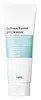 Key Ingredients
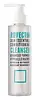
Benefits
Concerns
Ingredients Side-by-side
Water
Skin ConditioningCoco-Betaine
Cleansing
Sodium Lauroyl Methyl Isethionate
CleansingArginine
Masking

Sodium Chloride
MaskingBetaine
Humectant

Acrylates/C10-30 Alkyl Acrylate Crosspolymer
Emulsion StabilisingHydroxyacetophenone
Antioxidant

Sodium Methyl Isethionate
EmulsifyingLauric Acid
Cleansing


Centella Asiatica Extract
Cleansing

Sodium Laurate
CleansingMelaleuca Alternifolia Leaf Oil
Antioxidant





Ethylhexylglycerin
Skin ConditioningAllantoin
Skin Conditioning
Disodium EDTA
1,2-Hexanediol
Skin Conditioning
Water, Coco-Betaine, Sodium Lauroyl Methyl Isethionate, Arginine, Sodium Chloride, Betaine, Acrylates/C10-30 Alkyl Acrylate Crosspolymer, Hydroxyacetophenone, Sodium Methyl Isethionate, Lauric Acid, Centella Asiatica Extract, Sodium Laurate, Melaleuca Alternifolia Leaf Oil, Ethylhexylglycerin, Allantoin, Disodium EDTA, 1,2-Hexanediol
Water
Skin ConditioningGlycerin
Humectant
Sodium Cocoyl Alaninate
Surfactant
Lauryl Hydroxysultaine
CleansingLauryl Glucoside
CleansingQuillaja Saponaria Bark Extract
CleansingSodium Hyaluronate
Humectant
Hydrolyzed Hyaluronic Acid
Humectant
Hyaluronic Acid
Humectant
Acrylates/C10-30 Alkyl Acrylate Crosspolymer
Emulsion StabilisingCoco-Betaine
Cleansing
1,2-Hexanediol
Skin Conditioning
Caprylyl Glycol
Emollient
Coco-Glucoside
Cleansing
Sodium Cocoyl Isethionate
Cleansing
Sodium Myristoyl Glutamate
CleansingProtease
Exfoliating
Butylene Glycol
Humectant
Propanediol
Solvent
Benzyl Glycol
SolventHydrolyzed Glycosaminoglycans
HumectantSodium Hyaluronate Crosspolymer
Humectant
Ethylhexylglycerin
Skin ConditioningHydroxypropyltrimonium Hyaluronate
Sodium Acetylated Hyaluronate
Humectant
Citric Acid
Buffering


Sodium Chloride
MaskingWater, Glycerin, Sodium Cocoyl Alaninate, Lauryl Hydroxysultaine, Lauryl Glucoside, Quillaja Saponaria Bark Extract, Sodium Hyaluronate, Hydrolyzed Hyaluronic Acid, Hyaluronic Acid, Acrylates/C10-30 Alkyl Acrylate Crosspolymer, Coco-Betaine, 1,2-Hexanediol, Caprylyl Glycol, Coco-Glucoside, Sodium Cocoyl Isethionate, Sodium Myristoyl Glutamate, Protease, Butylene Glycol, Propanediol, Benzyl Glycol, Hydrolyzed Glycosaminoglycans, Sodium Hyaluronate Crosspolymer, Ethylhexylglycerin, Hydroxypropyltrimonium Hyaluronate, Sodium Acetylated Hyaluronate, Citric Acid, Sodium Chloride
Reviews
Ingredients Explained
These ingredients are found in both products.
Ingredients higher up in an ingredient list are typically present in a larger amount.
1,2-Hexanediol is a synthetic liquid and another multi-functional powerhouse.
It is a:
- Humectant, drawing moisture into the skin
- Emollient, helping to soften skin
- Solvent, dispersing and stabilizing formulas
- Preservative booster, enhancing the antimicrobial activity of other preservatives
Acrylates/C10-30 Alkyl Acrylate Crosspolymer is a synthetic polymer. It is used to thicken, emulsify, and improve the texture of products.
As an emulsifier, it helps stabilize oil-in-water emulsions to give products an elegant feel when applied.
It can also form a thin protective film on skin. One study found that a formula using this polymer helped slow down how quickly other ingredients (like DEET) were absorbed through skin.
A 2024 study of over 1,300 patients confirmed that sensitization to this ingredient is rare. It is also non-mutagenic and has a clean track record.
Learn more about Acrylates/C10-30 Alkyl Acrylate CrosspolymerCoco-Betaine is the natural version of Cocamidopropyl Betaine. It is often derived from coconuts.
Coco-Betaine is a surfactant, meaning it helps remove dirt and oil from the skin.
Ethylhexylglycerin is created from glycerin. It is a multitasker ingredient that:
The CIR Expert Panel found minimal skin absorption or sensitization of any kind in a safety assessment. Though this ingredient is considered well-tolerated, a small number of cases of allergic dermatitis have been published since 2002. Just be sure to patch test if you are unsure.
Industry-reported use ranges from 8% in rinse-off products and 2% in leave-on formulations.
Learn more about EthylhexylglycerinChances are, you eat sodium chloride every day. Sodium Chloride is also known as table salt. This ingredient has many purposes in skincare: thickener, emulsifier, and exfoliator.
You'll most likely find this ingredient in cleansers where it is used to create a gel-like texture. As an emulsifier, it also prevents ingredients from separating.
You might see people debate whether Sodium Chloride is comedogenic, but there actually haven't been any comedogenic tests done on it. Either way, the overall formulation of a product matters a lot more than any single ingredient.
You might see this ingredient used in scrubs as a primary exfoliating ingredient.
Learn more about Sodium ChlorideWater. It's the most common cosmetic ingredient of all. You'll usually see it at the top of ingredient lists, meaning that it makes up the largest part of the product.
So why is it so popular? Water most often acts as a solvent - this means that it helps dissolve other ingredients into the formulation.
You'll also recognize water as that liquid we all need to stay alive. If you see this, drink a glass of water. Remember to stay hydrated!
Learn more about Water
