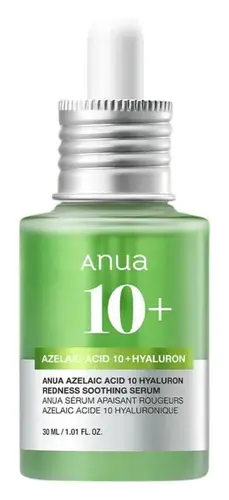
Personal Day Full Clarity Cleansing Powder Versus Personal Day Doing The Work Salicylic Acid Acne Treatment
This mild powder cleanser is made to cleanse while calming and soothing your skin.
This acne treatment is formulated around Salicylic Acid and Niacinamide to clear breakouts and balance excess oil.

What's inside
What's inside
 Key Ingredients
Benefits
Concerns
Ingredients Side-by-side


Salicylic Acid 2%
Masking










Water
Skin ConditioningMethylpropanediol
SolventGlycerin
Humectant


Niacinamide
Smoothing




Potassium Azeloyl Diglycinate
Skin Conditioning
Lactic Acid
Buffering
Sodium Hydroxide
BufferingHydroxyacetophenone
Antioxidant
Zinc Hydrolyzed Hyaluronate
Humectant1,2-Hexanediol
Skin Conditioning
Caprylyl Glycol
Emollient
Xanthan Gum
EmulsifyingMalic Acid
Buffering
Sodium Gluconate
ChelatingBiosaccharide Gum-4
Skin Conditioning
Reviews
Alternatives
Ingredients Explained
These ingredients are found in both products.
Ingredients higher up in an ingredient list are typically present in a larger amount.
Caprylyl Glycol is a humectant, skin conditioner, emollient, and preservative booster derived from either caprylic acid or synthetically created.
Typical use levels vary from 0.3-1% as a preservative booster and go up to 2% to condition skin.
Because it is not a free-fatty acid, this ingredient is fungal acne safe (there's nothing for Malassezia to feed on).
Learn more about Caprylyl GlycolPotassium Azeloyl Diglycinate (PAD) comes from the condensation of azelaic acid mixed with glycine.
This ingredient has similar properties to azelaic acid; it can help reduce sebum production and soothe skin. PAD also inhibits tyrosinase activity to help brighten skin. Tyrosinase is an enzyme that controls melanin production.
A study from 2023 found 5% PAD combined with nicotinamide (a form of niacin) effectively reduced melanin production after 6 weeks.
Several studies from the 2010's also show PAD to be effective in alleviating symptoms of Rosacea.
Though this ingredient is considered a gentle active, higher amounts may result in irritation.
Unlike azelaic acid, this ingredient is water-soluble. This property makes it easier to formulate into skincare products.
Learn more about Potassium Azeloyl DiglycinateWe don't have a description for Zinc Hydrolyzed Hyaluronate yet.